
 1
1The Chess Clock Was Invented to Stop Players From Taking Forever
Before chess clocks existed, players could simply think for as long as they wanted before making a move. Games sometimes stretched on for many hours, occasionally even multiple days, as competitors sat and thought endlessly over difficult positions.
That changed once organizers realized the sport needed a way to force players to actually make decisions within a reasonable amount of time.
It sounds obvious now, but at the time, controlling a player’s thinking time was a surprisingly difficult problem.
A problem that needed a mechanical fix
In the mid-1800s, as organized chess tournaments became more common, the lack of any time limit created real practical problems. A single game could drag on far longer than organizers or spectators could reasonably plan for, making it difficult to schedule tournaments with multiple rounds or keep events moving at a pace that kept people interested.
Early attempts at solving this problem were fairly crude. Some tournaments experimented with sand-filled hourglasses to track how long each player was taking, requiring officials to closely monitor and record time by hand. It worked in a basic sense, but it wasn’t especially precise or practical for regular tournament use.
The device that changed competitive chess
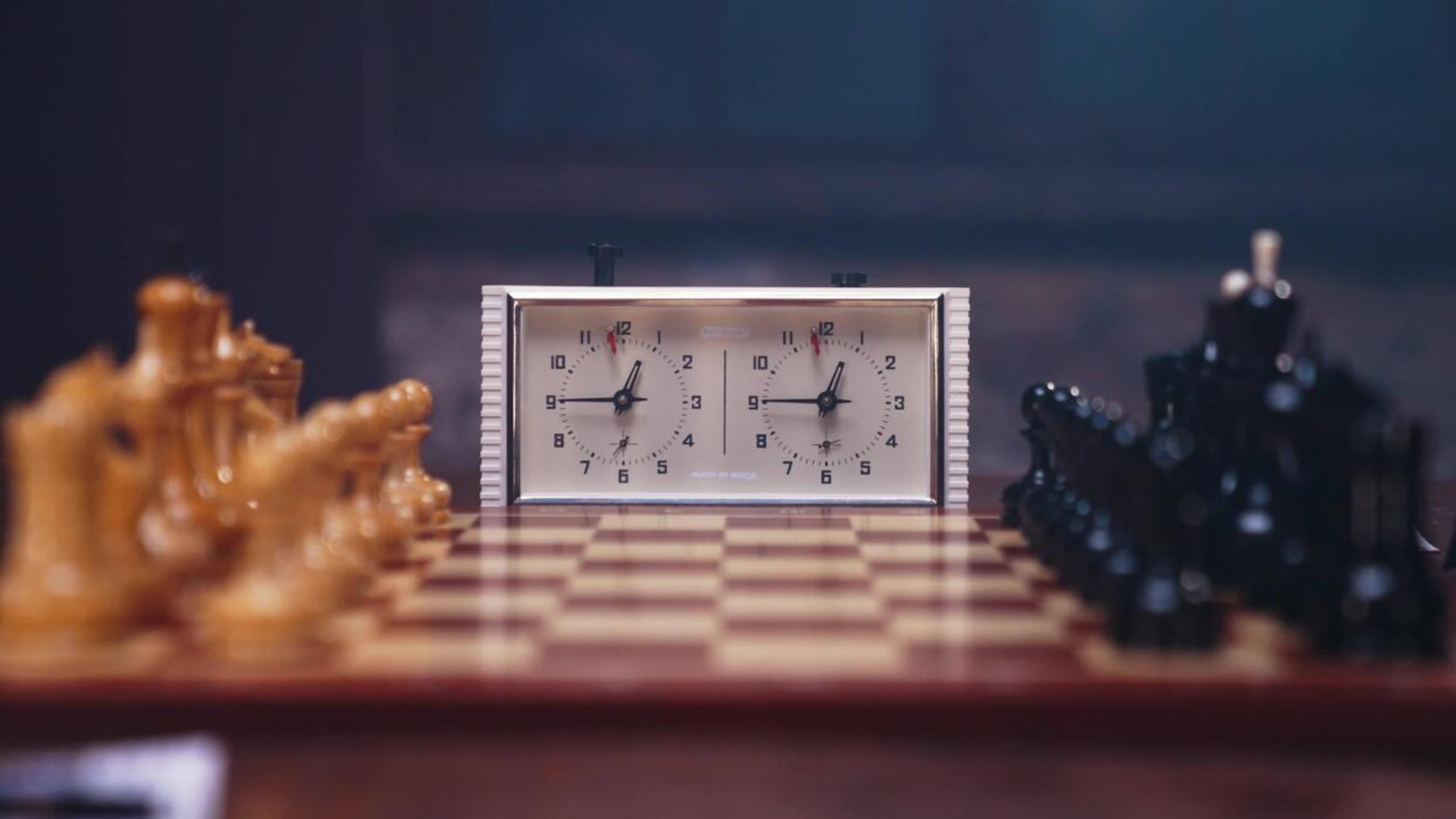
The modern chess clock, using two connected mechanical timers where starting one clock automatically stops the other, was developed and introduced into competitive chess during the late 1800s.
Each player had a separate allotment of total thinking time for the entire game, and once a player made their move, they’d press a button to stop their own clock and start their opponent’s, keeping the overall pace of the game moving forward at a reasonable rate.
This simple mechanical fix transformed competitive chess entirely. Games now had a genuine, predictable structure, and players had to factor time management directly into their overall strategy, not just the quality of individual moves.
Running out of time before completing all required moves became its own way to lose a game entirely, adding a completely new layer of pressure and skill to top-level competition.
From mechanical clocks to digital timers
Chess clocks have continued evolving well beyond their original mechanical design. Modern tournaments now almost universally use digital clocks, which allow for far more complex and precise time control formats, including systems that add small amounts of extra time back to a player’s clock after each move, helping prevent games from ending unfairly just because a player ran out of time in an otherwise strong position.
What started as a simple practical fix for slow, unpredictable games has become one of chess’s most fundamental competitive elements, adding an entire additional layer of strategy that didn’t exist for centuries before the clock’s invention.
Do you think adding a time element like this makes chess a better, more exciting sport to watch, or does it take away from the pure depth of thinking the game is famous for?


 1
1