



 0
0
Europe’s Biggest Football Nations Are Refusing to Play FIFA Events, and Nobody Knows How This Ends
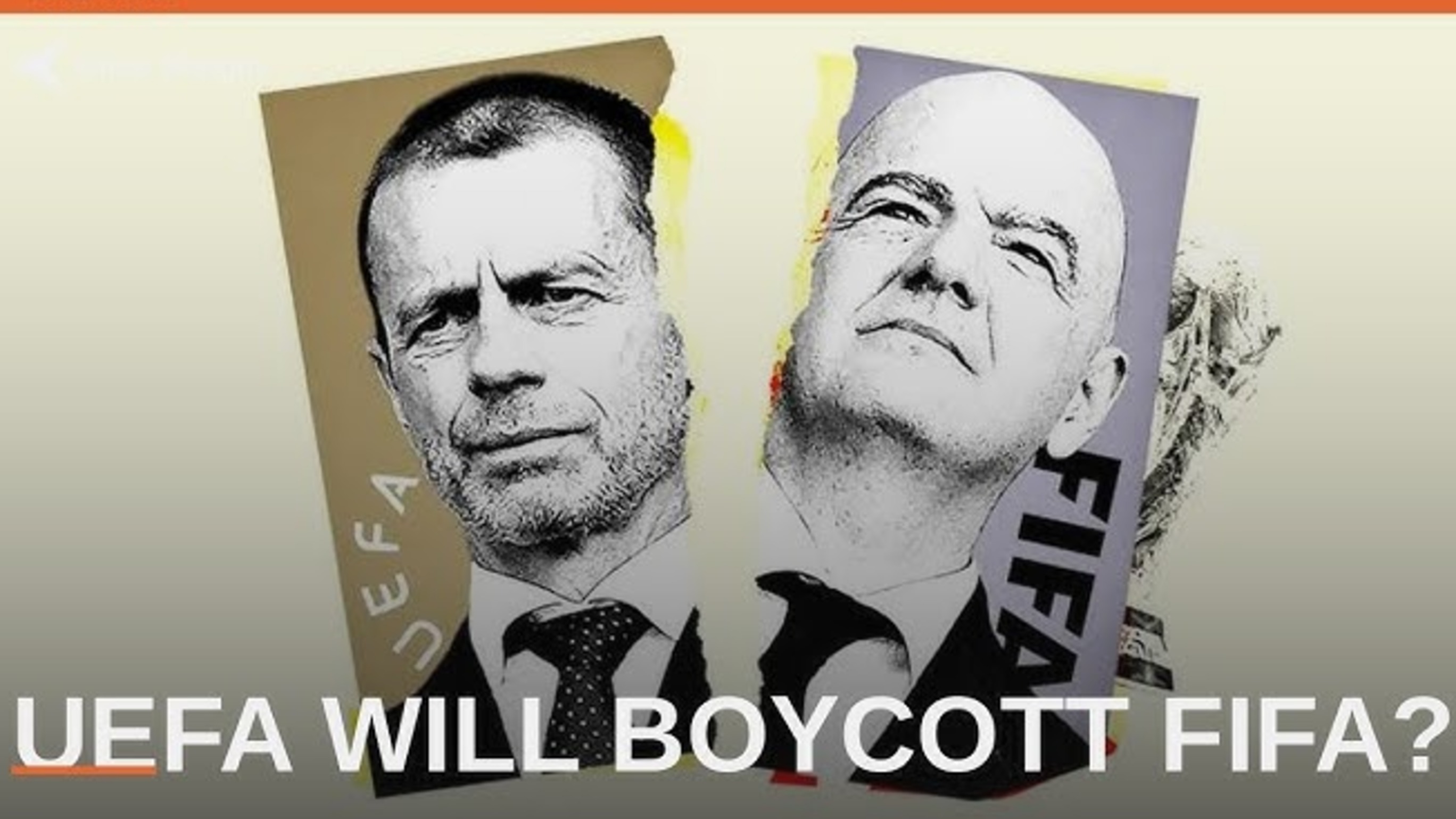
UEFA, the governing body for European football, is currently boycotting every FIFA competition. All 55 of its member nations, including football powerhouses like Spain, England, Germany, and France, have agreed not to take part in any FIFA event until FIFA drops a plan to sell minority stakes in the World Cup and other major tournaments to private investors. UEFA has confirmed the boycott remains firmly in place even after FIFA president Gianni Infantino briefly appeared to step back from part of the plan.
The dispute started when Infantino revealed a proposal to sell stakes in FIFA’s biggest events, including the World Cup and the Club World Cup, to outside investors, centered around a new investment vehicle reportedly connected to Joshua Kushner, brother of Jared Kushner. Infantino gave FIFA’s 211 member federations until September 19 to support the plan. The reaction from Europe was immediate and furious. UEFA called the proposal “a profound failure of leadership” and accused FIFA of trying to use the sport to enrich itself and its allies.
What makes this genuinely serious, rather than just angry statements, is the scale of who’s involved. UEFA’s 55 members carry enormous weight in world football. Six of the eight quarterfinalists at the last World Cup came from Europe, along with three of the four semifinalists. Add in the fact that CONCACAF, the North and Central American confederation that includes World Cup co-hosts the United States, Canada, and Mexico, and the Asian Football Confederation have also rejected the plan, and FIFA suddenly faces opposition from a genuinely massive share of the football world it’s supposed to represent.
The timing adds real pressure too. Less than two weeks after the last World Cup ended, the boycott puts FIFA in a difficult spot ahead of several upcoming global tournaments, including the Under-17 and Under-20 World Cups, and eventually the 2027 Women’s World Cup in Brazil. If the standoff isn’t resolved, entire European national teams could simply refuse to show up.
This isn’t the first time a major football body has threatened a boycott over financial disagreements, and it likely won’t be the last. Sports governing bodies periodically clash over money and control, and the side with the most genuine sporting power, rather than the most official authority on paper, tends to eventually get its way.
UEFA is betting that its stranglehold on the sport’s best teams and richest leagues gives it real leverage FIFA can’t simply ignore. Whether that bet pays off, or whether FIFA finds a way to push its plan through anyway, will likely shape how football’s biggest tournaments get funded and controlled for years to come.
There’s also a longer history worth remembering here. European clubs have flexed this same kind of muscle before, most notably when FIFA tried launching an expanded Club World Cup back in 2019 and immediately ran into a boycott from Europe’s biggest clubs, including Real Madrid and Manchester United. That standoff eventually got resolved through negotiation rather than FIFA simply forcing its plan through.
The current dispute is bigger in scale, involving entire national federations rather than individual clubs, but the underlying dynamic looks familiar: Europe’s football powers using their commercial weight as leverage, and FIFA having to decide how much it’s willing to compromise to bring them back into the fold.
What happens next likely depends on how much financial pain each side is actually willing to absorb. FIFA needs UEFA’s biggest nations at its tournaments to maintain the broadcast value and sponsorship money those events generate. UEFA’s members, in turn, rely on FIFA-sanctioned competitions for some of their own commercial revenue and player development pathways. Neither side can afford a permanent split, which is exactly why most observers expect some kind of negotiated resolution eventually, even if neither organization is willing to say so publicly while the standoff is still playing out.


