



 0
0The Version of Neymar the World Almost Forgot
There are players who are remembered for goals. Others for trophies. And then there are players like Neymar Jr — remembered for something harder to define: moments that feel like they could change everything, even when they don’t end the way people expect.
This story is not about one match. It is about what happens in between them — when the stadium is silent, the lights are off, and a player is left alone with time, recovery, and doubt.
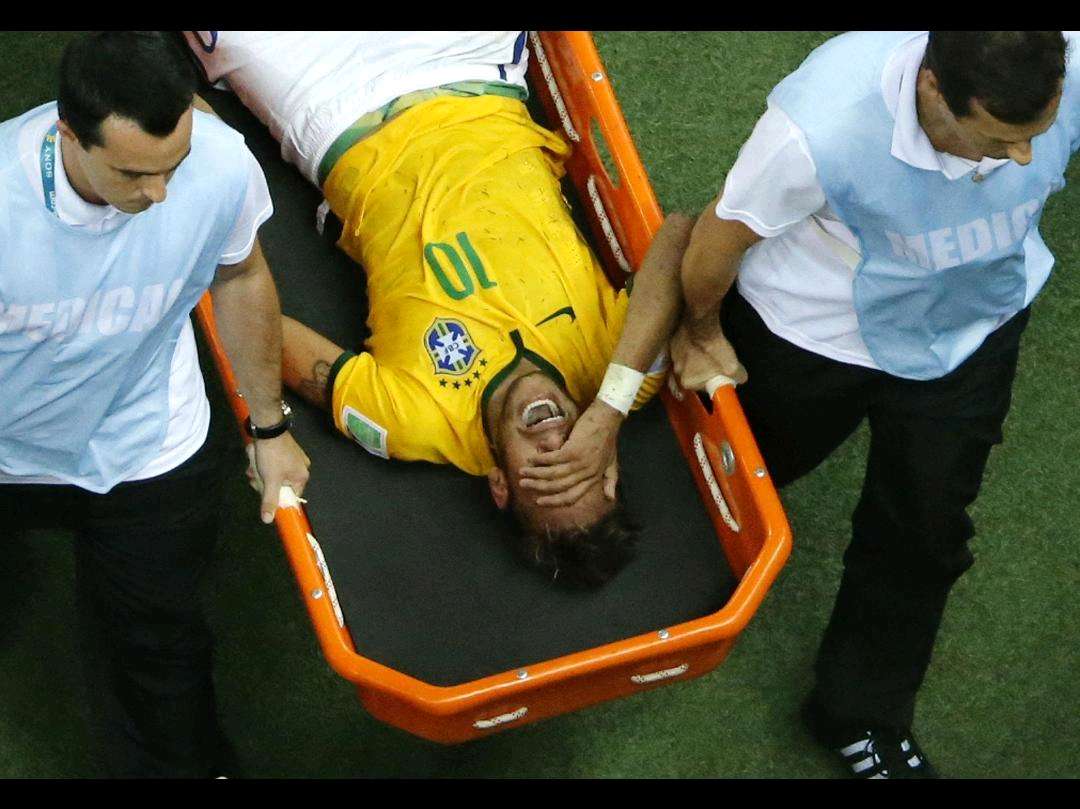
There was a period in Neymar’s career when football stopped being just football for him. It became rehab rooms, long nights of treatment, slow steps back onto the pitch, and the constant question that follows every creative player after injury: Will he still be the same?
For most athletes, injury is physical. For players like him, it becomes something heavier — psychological. Because when your game is built on rhythm, instinct, and fearlessness, anything that interrupts it feels like rewriting your identity.
Fans don’t always see that part.
They see the highlights. The step-overs. The flair. The goals that look effortless. But they don’t see the pause — the moment before a return, where uncertainty sits louder than applause.
There was a training session after one of his biggest setbacks. Nothing public. No cameras designed for drama. Just a pitch, a ball, and a player trying to feel like himself again.
At first, everything looked controlled. Simple passes. Light movement. Careful decisions. But then something changed — not suddenly, but gradually, like a rhythm returning after a long silence.
A touch that was slightly sharper. A turn that didn’t hesitate. A burst of acceleration that didn’t look forced.
Not perfect. Not finished. But familiar.
And that matters more than people think.
Because greatness in football is not only about peak moments. It is about the ability to return to them after they have been taken away.
There is a version of Neymar that exists in highlight reels — the one who dribbles past defenders as if they are not part of the same game, the one who creates something out of nothing. But there is another version that exists away from cameras: the version that rebuilds that feeling step by step, even when the world starts to doubt whether it will ever come back.
That tension — between memory and reality — follows him everywhere.
Every comeback match carries it. Every touch is measured against the past. Every performance is quietly compared to an invisible standard that only exists because he once made it look easy.
And yet, football is never frozen in time.
There were matches after the recovery where something started to reappear. Not fully, not always consistently, but enough to shift the atmosphere. A dribble that made defenders hesitate again. A pass that broke structure. A moment where the crowd stopped reacting and started anticipating.
That is the strange power of players like Neymar: even when they are not at their absolute peak, they still change how the game is played around them. Defenders adjust. Teammates look for him. Opponents prepare for something unpredictable.
And unpredictability is the hardest thing to replace.
Critics often talk about consistency. Fans talk about legacy. But what gets lost in both conversations is this: not every player is measured by repetition. Some are measured by moments that break repetition entirely.
In that sense, Neymar’s career has never been linear. It has been cyclical — rise, doubt, return, expectation, and again. And through all of it, the core question never fully disappears: what version will show up next?
There is a scene that defines him more than any statistic. Not a trophy lift. Not a final whistle. But a simple moment — a player receiving the ball under pressure, and instead of choosing safety, choosing possibility.
That choice, repeated across years, is what separates ordinary from unforgettable.
Even when injuries slow him down, even when narratives become heavy, that instinct does not fully disappear. It waits. Sometimes quietly. Sometimes visibly. But it waits.
And when it returns, even briefly, football feels different again.
Not because the game itself changes — but because one player reminds everyone that control is not the only form of greatness.
Some careers are defined by dominance.
Others are defined by resistance.
And Neymar’s story sits somewhere in between — a reminder that brilliance is not only about staying at the top, but about finding your way back to the moments that made people believe in you in the first place.
Kylian Mbappé — The Teenage Boy Who Shocked The World

Jude Bellingham - The Midfielder Born For Big Moments
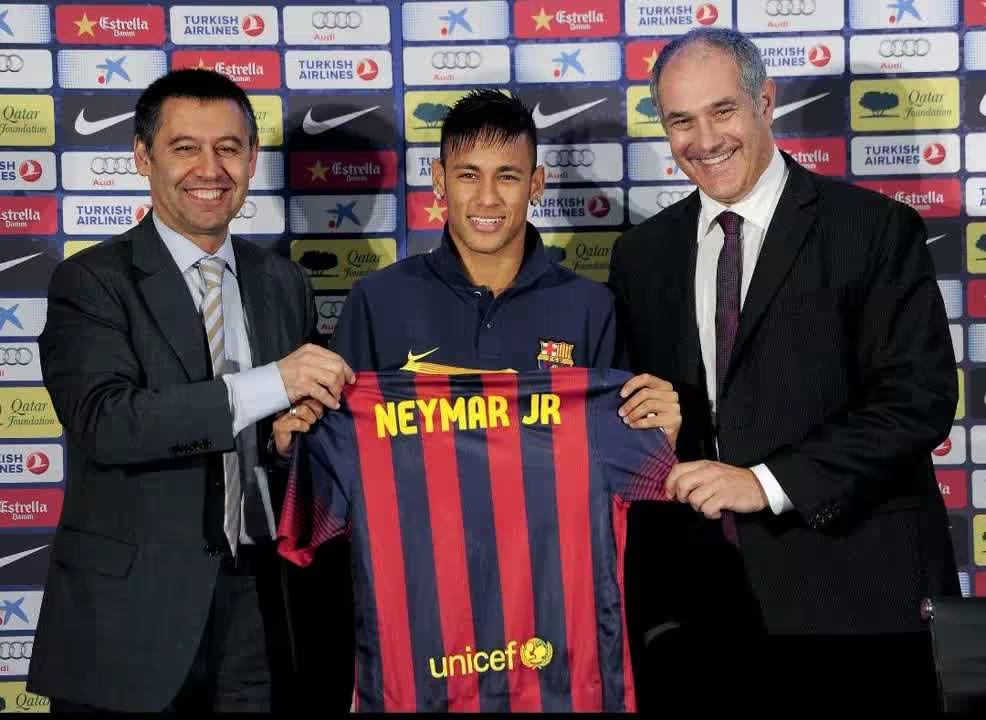
The Boy Brazil Called the New Pelé
Vinicius Júnior — The Boy Who Turned Pressure Into Power

The Night Neymar Played Through Pain — And Why Fans Never Forgot It

The Night Neymar Refused to Fade Away

Erling Haaland - The Machine Football Couldn't Stop
Pedri - The Quiet Genius Controlling Football's Future
Lamine Yamal - The Teenager Carrying Football's Future


 1
1 

