




 0
0
Who Actually Decides When VAR Steps In
Every time VAR overturns a goal, half the stadium boos and nobody in the stands can actually see who made the call or why. That's not an accident. The entire system was built to happen somewhere fans never look.
Inside the Video Room
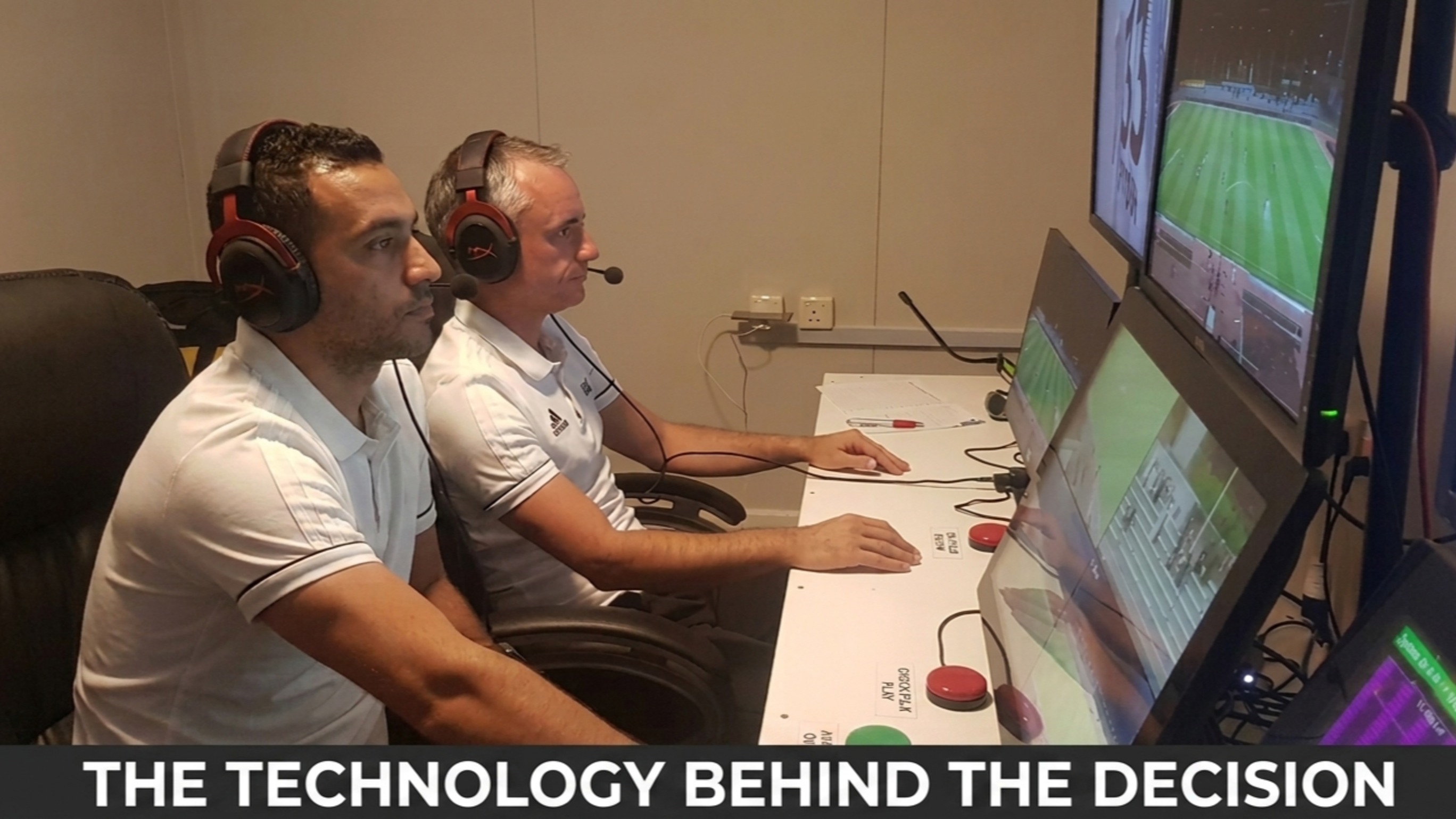
The Video Assistant Referee system runs out of a separate room, usually miles from the stadium itself, staffed by a video assistant referee and a small support team watching a bank of camera angles the on-pitch official simply doesn't have access to in real time.
FIFA introduced VAR into major tournament football at the 2018 World Cup in Russia, and it's since spread through most of the world's top leagues, though implementation and camera coverage still vary significantly between competitions.
What VAR Can Actually Review
VAR only intervenes in four categories: goals, penalty decisions, direct red card incidents, and cases of mistaken identity. That narrow scope was deliberate.
The people who designed the protocol wanted to avoid a system that reviewed every throw in and corner, which would have turned football into American football's replay culture almost overnight.
How a Review Actually Works
The actual process has two stages. First, the video team checks whether there's a clear and obvious error worth flagging, purely off the monitors in the video room. If they think there is, they alert the referee on the pitch, who then has the option to either accept the recommendation directly or walk over to a pitchside monitor and review the footage personally before making the final call themselves.
That pitchside review, the referee jogging over and putting on the headset, is really the only part of the whole process fans ever actually witness.
The Offside Line Problem
Offside decisions get their own separate technology entirely, using calibrated lines generated from broadcast camera positions and, at the top level of the game, semi-automated systems that track limb position using multiple cameras and ball sensor data.
That's why an offside call can look razor thin on screen and still take over a minute to confirm.
The most common complaint isn't really about the technology. It's about the gap between "clear and obvious error" as a legal standard and what fans watching a replay from six different angles are willing to accept as debatable.
VAR was designed to catch the referee's obvious mistakes, not to relitigate every marginal call the way a broadcast panel might.
Why Fans in the Stadium Feel Left Out
Compare that to rugby's television match official system, or the NFL's replay booth, where stadium screens usually show fans the same replay the officials are reviewing along with some explanation of what's being checked.
Football has been slower and less consistent about that kind of in-stadium communication, which is a large part of why supporters in the ground often have no idea why the referee is standing at a monitor at all until the decision comes back.
Some leagues have since started broadcasting referee explanations over the stadium speakers after a review, borrowing directly from how other sports handle the exact same transparency problem, but coverage of that practice still varies wildly by competition and country.
The Premier League itself didn't adopt VAR until the 2019-20 season, arriving later than several major European leagues and international tournaments that had already been using it for a year or two. That delay gave other competitions a head start working out exactly the kind of pitchside monitor etiquette and review pacing that still causes arguments today.
Whether that scope stays narrow forever is the actual long-term question hanging over the technology, not whether it works.
England vs Argentina: Why This Rivalry Never Gets Old
The 30 Minutes That Broke a Nation's World Cup Dream

Raheem Sterling's Fall Is a Much Bigger Football Story Than One Legal Case

The Villain Origin Story of Leandro Paredes

The Cyclists Who Race to Lose on Purpose


