



 0
0
The Cyclists Who Race to Lose on Purpose
Every Tour de France winner crosses the finish line surrounded by teammates who had almost no realistic chance of winning the race themselves. That's not an accident or a lack of talent. It's the entire job description.
What a Domestique Actually Does
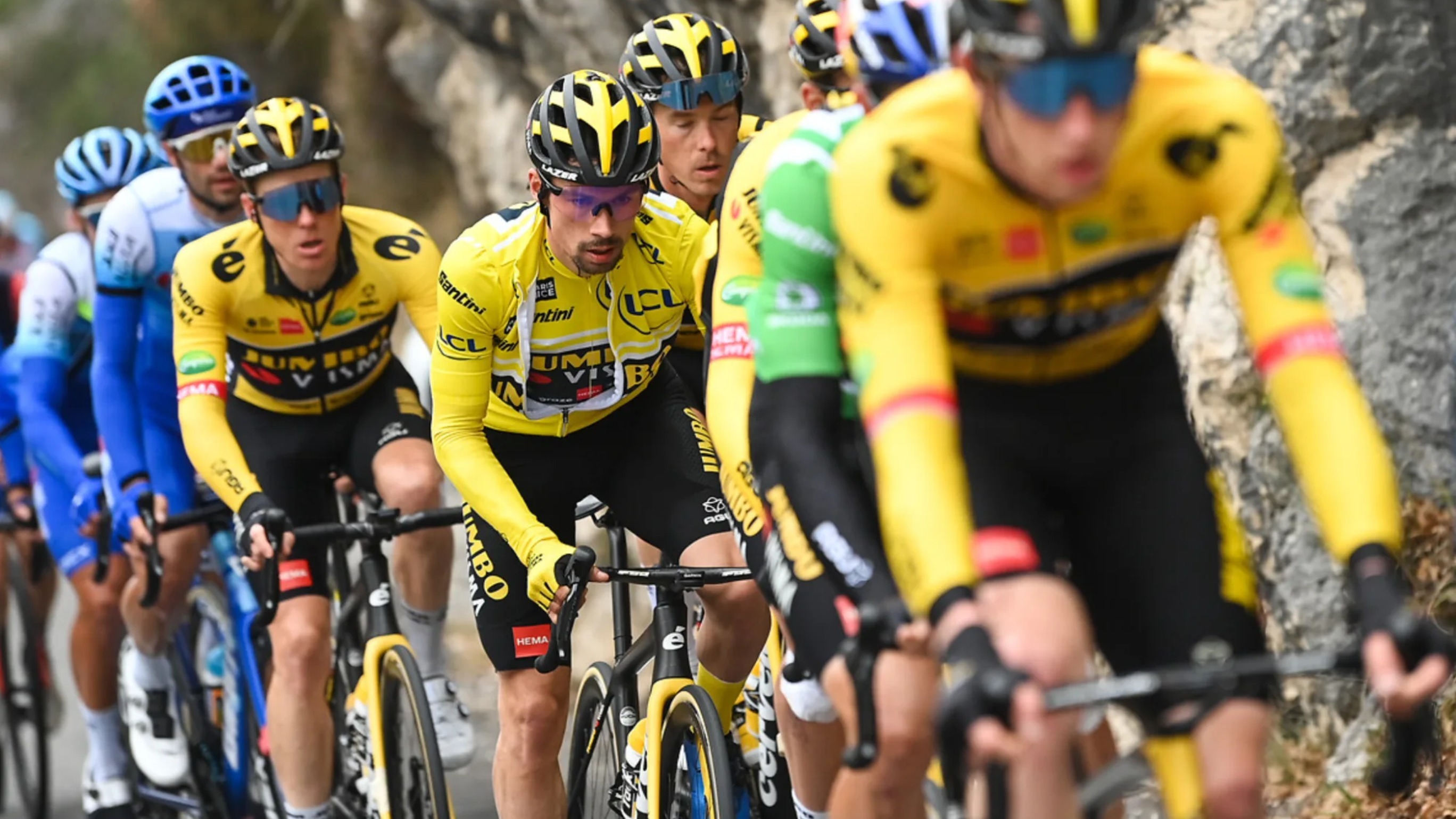
Domestiques, French for "servants," are professional cyclists whose primary role is sacrificing their own result to support a team leader with genuine title ambitions.
That sacrifice takes concrete forms during a race: riding at the front to shield the leader from wind resistance, dropping back to the team car and returning with water bottles and food for the entire group, setting a brutal pace on climbs specifically to wear down rival teams' leaders, and in emergencies, literally handing over their own wheel or bike if the leader suffers a mechanical failure at a critical moment.
Genuinely Elite Riders, Invisible Results
The part that surprises casual fans most is the talent level involved. Domestiques aren't lesser riders filling out a roster. Many were themselves capable of winning smaller races or even threatening a top ten Tour finish if they raced purely for their own result but signed contracts built around supporting somebody else's ambitions instead.
Some of the sport's most respected riders spent entire careers in that role, earning fierce respect within the peloton while remaining largely invisible to casual fans who only track who's wearing the yellow jersey each July.
Coordinated Through an Earpiece
None of this sacrifice happens by improvisation alone. Every rider on a modern World Tour team races with a radio earpiece connecting them directly to team directors following the race from a car in the caravan behind the peloton, watching live television feeds and relaying real-time tactical instructions.
A director might tell a domestique exactly when to accelerate to shatter a dangerous breakaway, or hold position to conserve the leader's energy for a climb still twenty kilometers away.
That constant communication is part of why modern Tour racing looks so tightly controlled compared to older eras, when riders had to read the race with their own eyes and instincts alone, without a voice in their ear coordinating the entire team's strategy in real time.
The Trade That Makes It Worth It
The arrangement isn't purely selfless. Top domestiques get paid well by team sponsors specifically for this role, and a rider who proves reliably excellent at protecting a leader through multiple grand tours can build a genuinely lucrative career without ever winning a headline race themselves.
There's also a pathway upward. Riders sometimes graduate from domestique duty into team leader roles themselves once they prove capable, or get released to a smaller team specifically so they can chase individual wins their old team never would have allowed.
It's one of the strangest employment arrangements in professional sport, an entire specialized career built around making someone else look good. The next time a rider crosses the line arms raised in celebration, there are five or six teammates just behind them who spent three weeks making that specific moment possible, and will get a fraction of the recognition for it.
England vs Argentina: Why This Rivalry Never Gets Old
The 30 Minutes That Broke a Nation's World Cup Dream
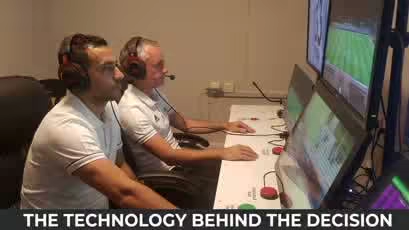
Who Actually Decides When VAR Steps In
Raheem Sterling's Fall Is a Much Bigger Football Story Than One Legal Case
The Villain Origin Story of Leandro Paredes


