





 0
Four Slams. Four Quarterfinals. Why Is Zverev Alexander Still Overlooked?
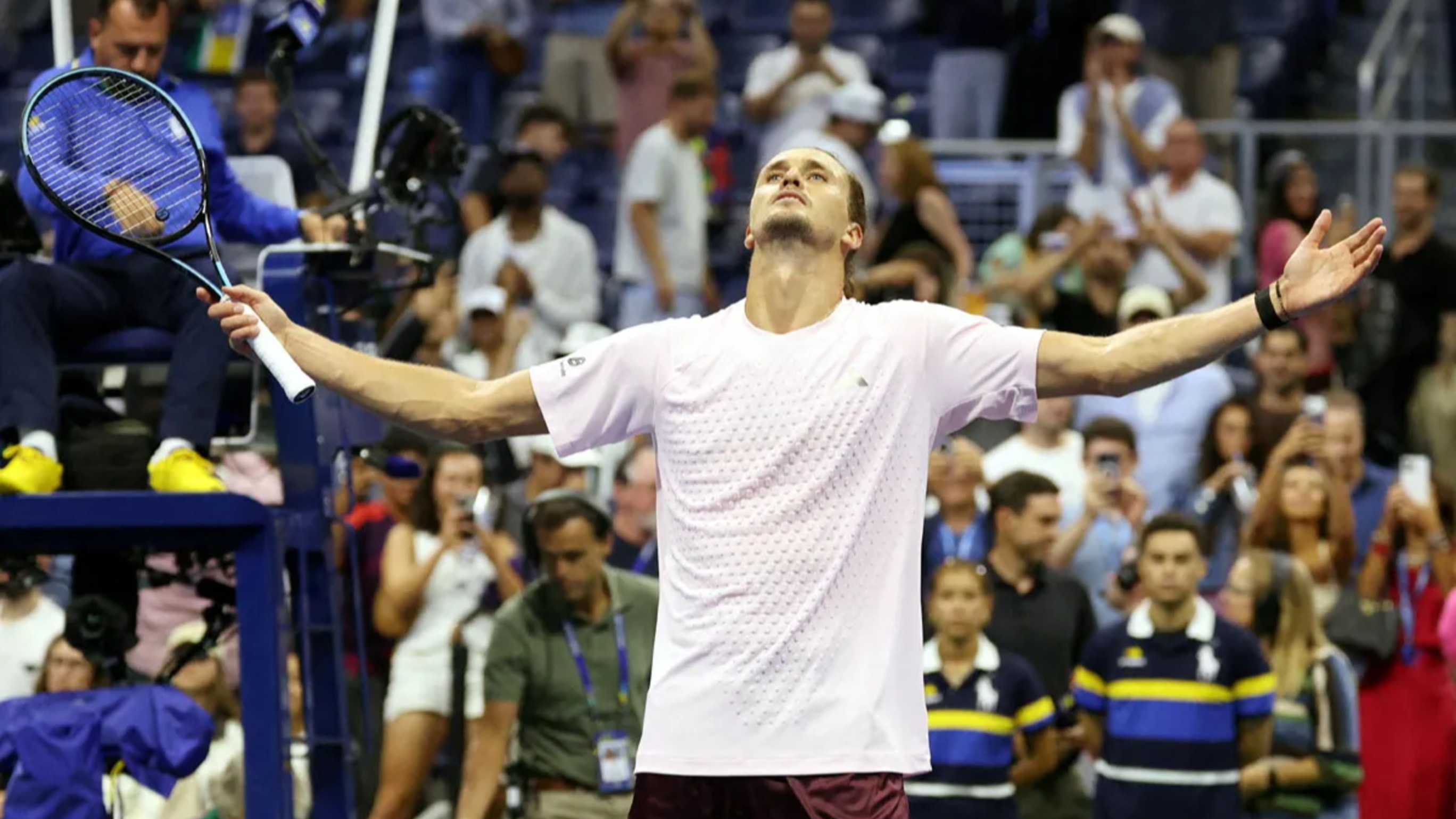
Alexander Zverev beat Luciano Darderi 6-2, 6-2, 7-6(3) on Monday to reach the US Open quarterfinals. It's a result that's easy to skim past in a tournament full of bigger storylines, except for what it actually means: Zverev is now the only man to reach the quarterfinals at all four Grand Slams in 2026.
At 29 years and 132 days old, he's the third-oldest player in the Open Era to achieve that specific feat for the first time in his career.
A season built on results, not headlines
Zverev won the French Open earlier this year, his first Grand Slam title after several near-misses at the top level, and has followed it with deep runs at every major since. This US Open run alone has included two consecutive five-set battles to open his campaign before settling into more comfortable straight-sets wins, including Monday's dominant performance against Darderi that took his tour-level win total for the season to 50.
None of that individual result generates the same conversation as a five-set classic or a surprise upset elsewhere in the draw, even though sustaining this level across an entire calendar of majors is genuinely rare.
Why consistency doesn't generate the same attention as drama
Tennis narratives tend to reward the moment: the comeback from 0-5 down, the shock first-round exit, the teenager making an unexpected run. A player quietly performing at a top-eight level at every single major of the year doesn't produce a highlight clip the same way a five-set escape or a surprising defeat does, even though it's arguably a harder thing to sustain across a full season.
Zverev himself has spent years being defined publicly more by the finals he's lost than by how reliably he's contended, a framing that tends to happen to players whose careers are measured against the specific handful of rivals who've beaten them on the biggest stages.
What the number actually represents
Reaching the quarterfinals of all four majors in a single season requires performing at a genuinely elite level on clay, grass, and two different types of hard courts, across four separate multi-week stretches, without a single off week costing him the run early. Very few players in tennis history manage that level of surface-spanning consistency in any given year, let alone this deep into their careers.
He now faces Botic van de Zandschulp, ranked 70th, for a place in the semifinals, a continuation of the kind of steady, unglamorous progress that's defined his year even as flashier storylines have dominated the conversation around him.
The achievement is even harder because every major demands a different version of the same player. Clay rewards patience and endurance, grass punishes hesitation, while hard courts expose weaknesses in movement and consistency. Zverev hasn't simply survived four tournaments; he's repeatedly adjusted his game to conditions that can make a player look like a completely different competitor from one Slam to the next.
Why do some elite athletes get remembered more for the finals they've lost than for how consistently they've actually contended across an entire season?

Sarajevo Back at the Heart of Regional MMA: SFC Returns with Explosive Matchups

How Buzzer Karma Works: Levels, Penalties, and What They Mean

Inside Buzzer's Latest Update (and Why It Changes How You Use the App)

Buzzer Introduces Ads Console: A New Era of Advertising Across the Entire Buzzer Ecosystem

Buzzer Is Evolving: From Quantity to Quality

Buzzer Now Has a Games Hub, and Tournaments Are Coming

Polo Al Taco Expands Its Global Reach Through Weekly Livestreams on Buzzer Arena TV

Al Ittihad SC's Matches Are Now Live on Buzzer

Palm City vs Gulf United Ends in 1–1 Draw in UAE Second Division League Clash

"We Don't Take the Guy With the Camera." He Built His Own Club Anyway. Now He's Coming to Find You.


 1


