





 0

England’s ODI Failure Has Raised a Bigger Question About Harry Brook’s Leadership
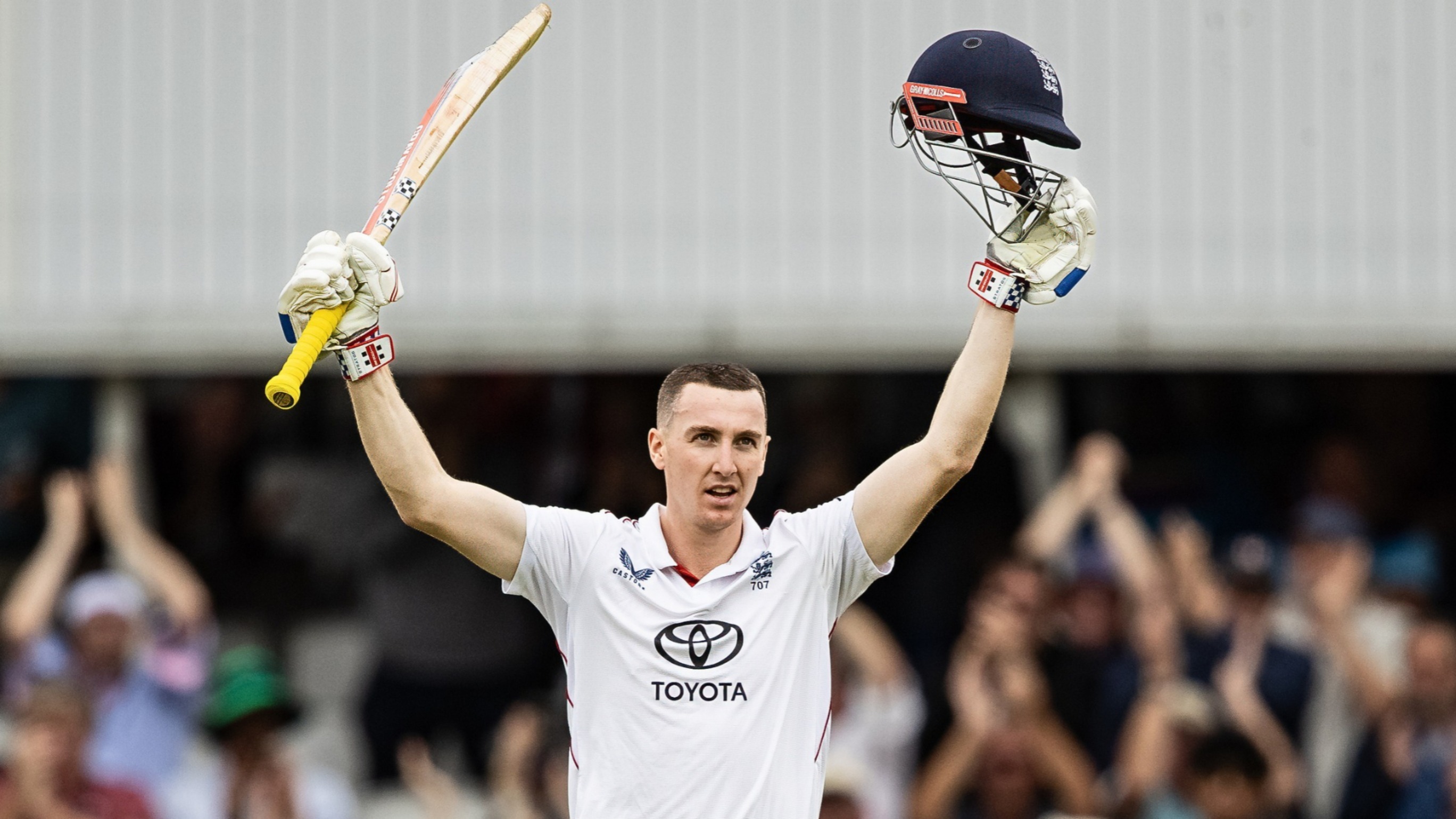
Harry Brook scored the fastest double century in one-day international history, and England still lost the match. That sentence is the whole tri-series in miniature.
England piled up 429 against Sri Lanka in Rawalpindi. Sri Lanka chased it anyway, and Janith Liyanage finished the job by hitting Josh Tongue’s penultimate delivery for six. Only one ODI chase in history has been bigger.
Three defeats, three different ways
England arrived as favourites, even without Jos Buttler, who was injured, and Jofra Archer, who was rested. Then Pakistan beat them by 87 runs in the opener. Arafat Minhas scored 59 and took a career-best six for 40, and Brook admitted afterwards that his batters went into their shells against spin.
Next came the 429 game. After that came a one-wicket loss to Pakistan, when Shadab Khan and Haris Rauf added a record 89 for the last wicket. By the time Sri Lanka bowled Pakistan out for 110 in Lahore, England were already out of the race for the final.
It was a remarkable collapse. It was also three very different kinds of defeat, which matters for what comes next.
The record doesn’t match the headline
It’s easy to write this as a crisis, and the numbers argue against it. Brook was named permanent ODI and T20 captain in April 2025, after Buttler stepped down following England’s Champions Trophy exit. Going into Pakistan, England had won their last three bilateral ODI series.
His own batting has thrived under the job too. He averaged 51.3 with the captaincy, compared with 25.2 without it. In January he hit a 57-ball hundred in the series decider in Colombo to beat Sri Lanka on their own patch. His T20 side currently sits top of the world rankings. A bad fortnight doesn’t erase that.
What the fair criticism looks like
Defending 429 is where captains get found out, so the questions are reasonable. Who was given the last overs? How was the field set when the chase got close? And why did a total that big feel so unsafe?
Those are tactical questions, and England’s coach has praised Brook’s tactics before. Brendon McCullum called him sensational after the Sri Lanka tour in February. He also described him as a work in progress away from the cricket.
The off-field part is real too. Brook has acknowledged the Wellington nightclub incident on the eve of an ODI against New Zealand last October, and he says he wants to be a captain England can rely on. A year on, McCullum’s “work in progress” still sounds about right.
Why Pakistan is a misleading exam
I’d push back on treating this tour as a World Cup rehearsal. The 2027 tournament is being played in South Africa, Zimbabwe and Namibia, a long way from the spin-heavy conditions that undid England this month. A captain who struggles against spin in Rawalpindi hasn’t automatically shown he’ll struggle against pace and bounce in Johannesburg.
That doesn’t excuse the results. It does mean the tri-series is a narrower test than it looks, and England’s problem is easier to name than a “leadership crisis.” They need a better plan against spin and a better plan for the last five overs.
Neither of those belongs to the captain alone. The coaching staff, the selectors and the bowlers who couldn’t land a yorker under pressure all share it.
My read
Brook should keep the job. But he should be asked, loudly and often, why the plan for defending 429 wasn’t better than it was.
England have won more than they’ve lost under him, and he’s just dropped three in a row in a fortnight. How many bad tournaments should a good record cover before a captain has to answer for them?

Sarajevo Back at the Heart of Regional MMA: SFC Returns with Explosive Matchups

How Buzzer Karma Works: Levels, Penalties, and What They Mean

Inside Buzzer's Latest Update (and Why It Changes How You Use the App)

Buzzer Introduces Ads Console: A New Era of Advertising Across the Entire Buzzer Ecosystem

Buzzer Is Evolving: From Quantity to Quality

Al Ittihad SC's Matches Are Now Live on Buzzer

Polo Al Taco Expands Its Global Reach Through Weekly Livestreams on Buzzer Arena TV

Buzzer Now Has a Games Hub, and Tournaments Are Coming

Palm City vs Gulf United Ends in 1–1 Draw in UAE Second Division League Clash

"We Don't Take the Guy With the Camera." He Built His Own Club Anyway. Now He's Coming to Find You.


 1


