





 0
World Athletics Ultimate Championship Is Coming. Does Track & Field Finally Have Its Super Event?
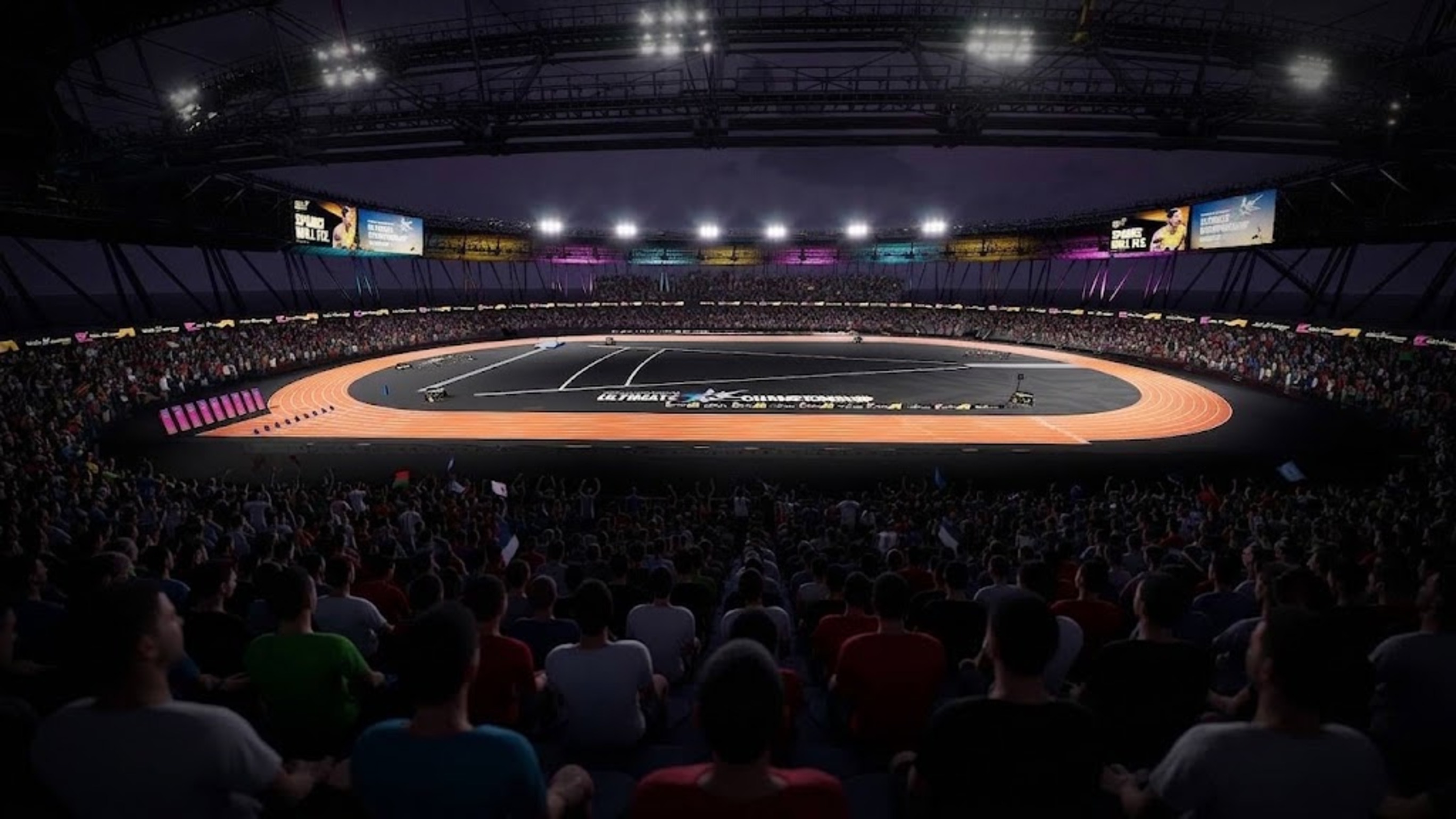
Track and field's newest championship has no heats, no qualifying rounds spread across mornings and afternoons, and no traditional medals at all. From September 11 to 13, Budapest hosts the inaugural World Athletics Ultimate Championship, a compact, invitation-only event built specifically to solve a problem the sport has struggled with for years: how to compress its biggest stars into a format television audiences will actually stay tuned for.
Only reigning Olympic champions, world champions, and this year's Diamond League winners qualify. The field is capped at 16 athletes per track event and 8 per field event, a fraction of a traditional championship's size.
Why athletics needed a format like this
A traditional World Championships runs nine days, with early rounds often featuring athletes with little realistic chance of medaling, diluting the star power in any given session. That structure works for crowning genuine champions across a full competitive field, but it's a difficult sell for casual viewers looking for a concentrated, must-watch event.
The Ultimate Championship strips that structure down entirely: three evening sessions, straight finals in several marquee events like the 1500m and 5000m, and a field that's already been filtered down to essentially the best athletes in the world before the competition even begins.
Why $10 million in prize money matters beyond the number itself
Track and field has historically struggled with athlete compensation relative to other major sports, a gap that's contributed to some of the sport's biggest stars prioritizing other competitions or endorsement opportunities over championship appearances. A $150,000 payout to each individual winner, drawn from the sport's largest-ever prize pot, is a direct attempt to make this specific event financially significant enough that stars can't easily justify skipping it.
That's a deliberate structural choice, treating athlete incentive as a design problem to be solved rather than an afterthought.
Why removing medals is a genuinely bold choice
Replacing traditional gold, silver and bronze medals with a bespoke trophy and a unique bracelet for each athlete is a striking departure from over a century of championship tradition. It signals organizers trying to build a genuinely new kind of prestige around this specific event, rather than simply treating it as a smaller version of the existing World Championships.
Whether fans and athletes come to view Ultimate Championship success with the same weight as a traditional world title, or as a separate, secondary honor, will take more than one edition to determine.
What "success" would actually look like for this format
If the biggest names in the sport consistently show up and treat this event as genuinely prestigious, rather than optional, it would validate the sport's bet that a shorter, star-concentrated format can coexist with the traditional championship rather than competing against it. If star participation is inconsistent from the start, the format risks becoming a lower-tier event regardless of its prize money.
Track and field just built an event specifically engineered to solve its own visibility problem, with the money and format to back it up. Is this genuinely the sport's answer to a Super Bowl-style showcase event, or does removing the sport's century-old medal tradition risk undermining the exact prestige it's trying to build?

Sarajevo Back at the Heart of Regional MMA: SFC Returns with Explosive Matchups

How Buzzer Karma Works: Levels, Penalties, and What They Mean

Inside Buzzer's Latest Update (and Why It Changes How You Use the App)

Buzzer Introduces Ads Console: A New Era of Advertising Across the Entire Buzzer Ecosystem

Buzzer Is Evolving: From Quantity to Quality

Buzzer Now Has a Games Hub, and Tournaments Are Coming

Al Ittihad SC's Matches Are Now Live on Buzzer

Palm City vs Gulf United Ends in 1–1 Draw in UAE Second Division League Clash

"We Don't Take the Guy With the Camera." He Built His Own Club Anyway. Now He's Coming to Find You.

Building the Infrastructure Sports Tech Forgot


