





 2
India's Asian Games Cricket Gold Shows Why T20 Fits Multi-Sport Events So Well
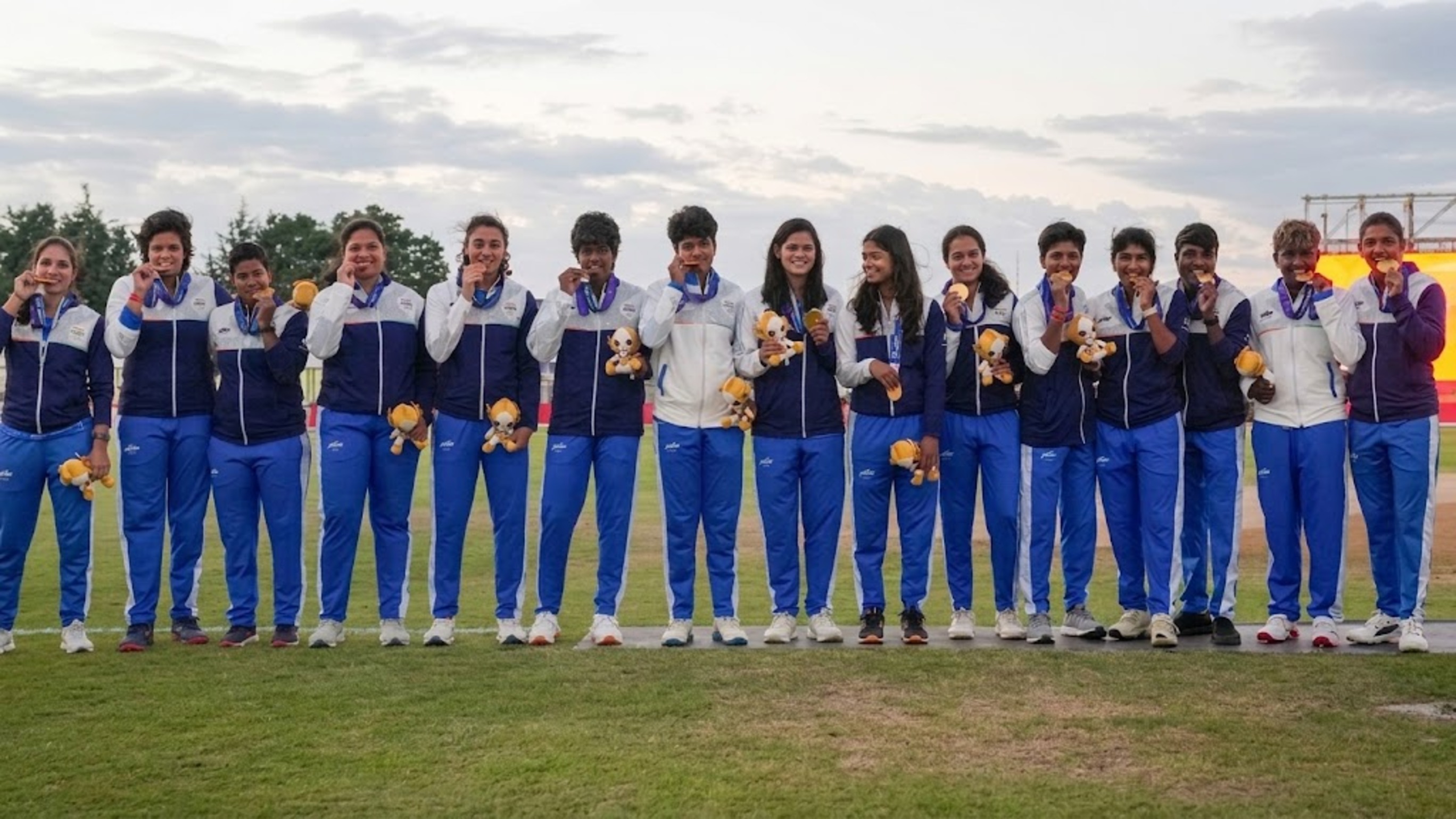
India's women won Asian Games cricket gold with a 147-run victory over Sri Lanka. That scoreline is lopsided enough to be a story on its own. But the more useful story is what the format made possible in the first place: a cricket tournament that actually fits inside a multi-sport Games schedule without breaking it entirely.
Test cricket could never live inside a Games like this
Cricket's oldest and most respected format takes five days to produce a single result. Even one-day cricket needs the better part of a full day per match. Neither format is remotely compatible with a multi-sport Games built around dozens of disciplines sharing a tight overall window across a couple of weeks.
T20 solves that problem by design. A match wraps in a few hours, which means a full tournament bracket, group stages through to a final, can actually be completed within a Games schedule without cricket needing its own separate, extended slot on the calendar the way it would under any longer format.
A 147-run margin says more about the format than the opponent
A victory margin that large invites an easy read: India was simply the far better team on the day. That's probably true. But it also says something about T20 specifically, a format where a truly dominant batting or bowling performance can produce lopsided results in a way a longer format, with more time for a struggling side to recover, typically smooths out over a full innings or two.
That volatility is usually treated as a criticism of T20 among purists who prefer the longer formats. In a Games context, it's part of what makes the format work: compressed, high-stakes cricket that produces decisive results inside a single afternoon rather than dragging tension out across days.
Multi-sport Games organizers care about broadcast windows as much as sporting merit
There's a practical dimension here worth naming directly. Games organizers building a broadcast schedule around dozens of sports need formats that fit predictable time slots. T20's fixed, short runtime makes it easy to schedule alongside track finals, swimming heats, and everything else competing for the same television windows. That logistical fit is part of why the format works here, separate from any argument about which version of cricket is the "purest."
Why this matters beyond this specific gold medal
Cricket's presence at multi-sport Games has always been complicated by its own format identity crisis. T20 being the version that actually functions inside these events isn't a minor scheduling detail, it's effectively cricket auditioning its most Games-compatible format in front of Olympic organizers who'll eventually decide whether the sport belongs on that stage too.
If T20 cricket keeps working this cleanly inside continental Games, the case for it at the Olympics gets stronger every cycle it's included, regardless of how traditionalists feel about the format's place in the sport's history.
Does T20's fit inside multi-sport Games make the format's case for Olympic inclusion, or does a lopsided 147-run final actually undercut the argument that the format produces competitive cricket?

Sarajevo Back at the Heart of Regional MMA: SFC Returns with Explosive Matchups

How Buzzer Karma Works: Levels, Penalties, and What They Mean

Inside Buzzer's Latest Update (and Why It Changes How You Use the App)

Buzzer Introduces Ads Console: A New Era of Advertising Across the Entire Buzzer Ecosystem

Buzzer Is Evolving: From Quantity to Quality

Buzzer Now Has a Games Hub, and Tournaments Are Coming

Polo Al Taco Expands Its Global Reach Through Weekly Livestreams on Buzzer Arena TV

Al Ittihad SC's Matches Are Now Live on Buzzer

Palm City vs Gulf United Ends in 1–1 Draw in UAE Second Division League Clash

"We Don't Take the Guy With the Camera." He Built His Own Club Anyway. Now He's Coming to Find You.


 1


