





 0

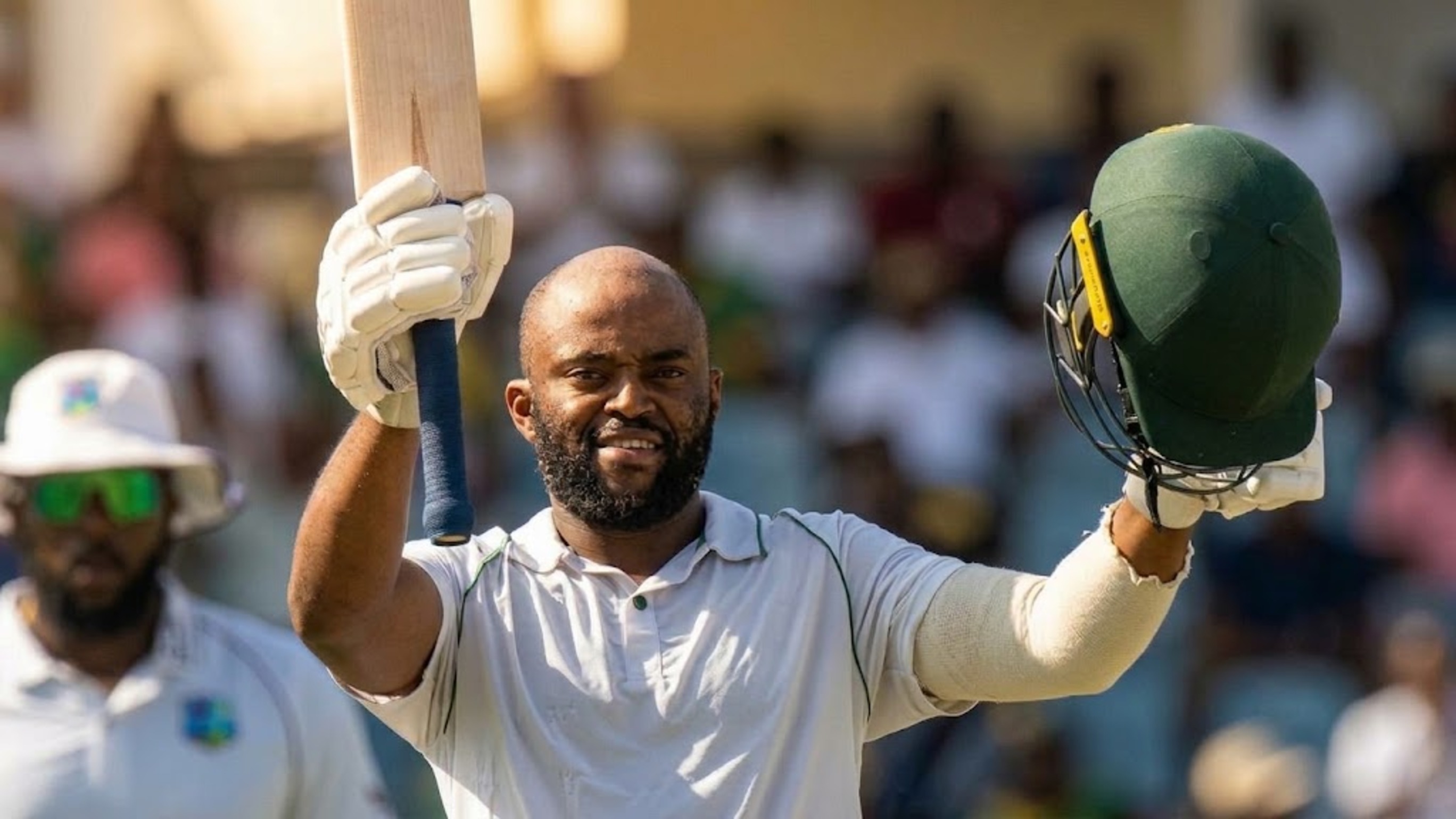
Temba Bavuma Made 179 Against Australia. What Turns a Captain’s Century Into Authority?
South Africa began day three of the second Test on 97-5, already one-nil down after losing in Durban by 214 runs. Wiaan Mulder fell early for 13, bounced out by Mitchell Starc for his 450th Test wicket, and the scoreboard read 110-6.
That’s the point where a Test normally gets decided, and not in the home team’s favour. Instead, Temba Bavuma made 179, his highest Test score and his fifth Test century, and South Africa declared at 425-9.
A lead built from the wreckage
Australia had made 292 in their first innings, so the declaration came with a lead of 133. That sounds modest until you remember the scoreboard at the start of the day.
Bavuma faced 334 balls for his runs, a strike rate a touch above 53. Nobody will put that on a highlights reel. But slow and passive are different things, and what the innings bought was time. Time to take the sting out of Australia’s attack, time to rest South Africa’s own bowlers, and time to declare on South Africa’s terms.
Rain had already interrupted day two, which made time the one resource South Africa couldn’t manufacture. Batting long was a way of deciding how much of it Australia would get.
The payoff arrived quickly. Australia’s second innings began in fading light, and Kagiso Rabada, back in the Test side, needed only four balls to get Nic Maddinson caught at slip for a duck.
The partners who made it possible
Bavuma had company, and the company mattered. Marco Jansen made 85 and Simon Harmer made 82, the highest Test score of his career. Between them and their captain, they scored 346 of the 425.
The big stand came with Harmer, who added 183 with Bavuma for the eighth wicket, a South African record for that wicket in Tests. Harmer is an off-spinner by trade, so a partnership like that is the kind of number that makes a batting coach stare at the ceiling for a while.
Australia’s bowlers weren’t poor. Scott Boland took 5-81 and Starc finished with 3-89. They simply spent a long day waiting for a wicket that kept not arriving.
What separates this from an ordinary hundred
An ordinary hundred adds to the total. A captain’s hundred changes what the opposition has to think about. Every over Bavuma survived was an over in which Australia’s plan, built on the back of that 97-5 start, got a little less relevant.
It also tells the dressing room something. A captain who bats like this gives his bowlers a rest, and a captain who then declares at 425-9 is telling them he trusts them to finish the job. That’s authority you can’t get from a team talk.
The ending even came with a little theatre. Starc finally drew the edge, and Alex Carey took the catch behind the stumps, his 200th in Test cricket. It was a milestone for the wicketkeeper and a fair measure of how long Australia had waited for it.
Australia had done this first
None of it came from nowhere. In Durban, Australia recovered from 124-6 to 390 and went on to win the match. Gqeberha was the home side’s reply in kind.
The stakes go beyond one series. South Africa are the reigning world Test champions but slipped to third in the standings after Durban, with Australia on top, and both teams have the 2027 final in mind.
Two Tests, two rescues from deep trouble. If this series has a theme so far, it’s that nobody should call a game at 100-5.
When a captain bats for 334 balls to rescue his team, does the innings earn its place because of the runs it scores, or because of what it lets the bowlers do next?

Sarajevo Back at the Heart of Regional MMA: SFC Returns with Explosive Matchups

How Buzzer Karma Works: Levels, Penalties, and What They Mean

Inside Buzzer's Latest Update (and Why It Changes How You Use the App)

Buzzer Introduces Ads Console: A New Era of Advertising Across the Entire Buzzer Ecosystem

Buzzer Is Evolving: From Quantity to Quality

Polo Al Taco Expands Its Global Reach Through Weekly Livestreams on Buzzer Arena TV

Buzzer Now Has a Games Hub, and Tournaments Are Coming

Al Ittihad SC's Matches Are Now Live on Buzzer

Palm City vs Gulf United Ends in 1–1 Draw in UAE Second Division League Clash

"We Don't Take the Guy With the Camera." He Built His Own Club Anyway. Now He's Coming to Find You.


