





 0

Why Is the Same Cricket Batter Sometimes Dominant in ODIs but Less Effective in T20s?
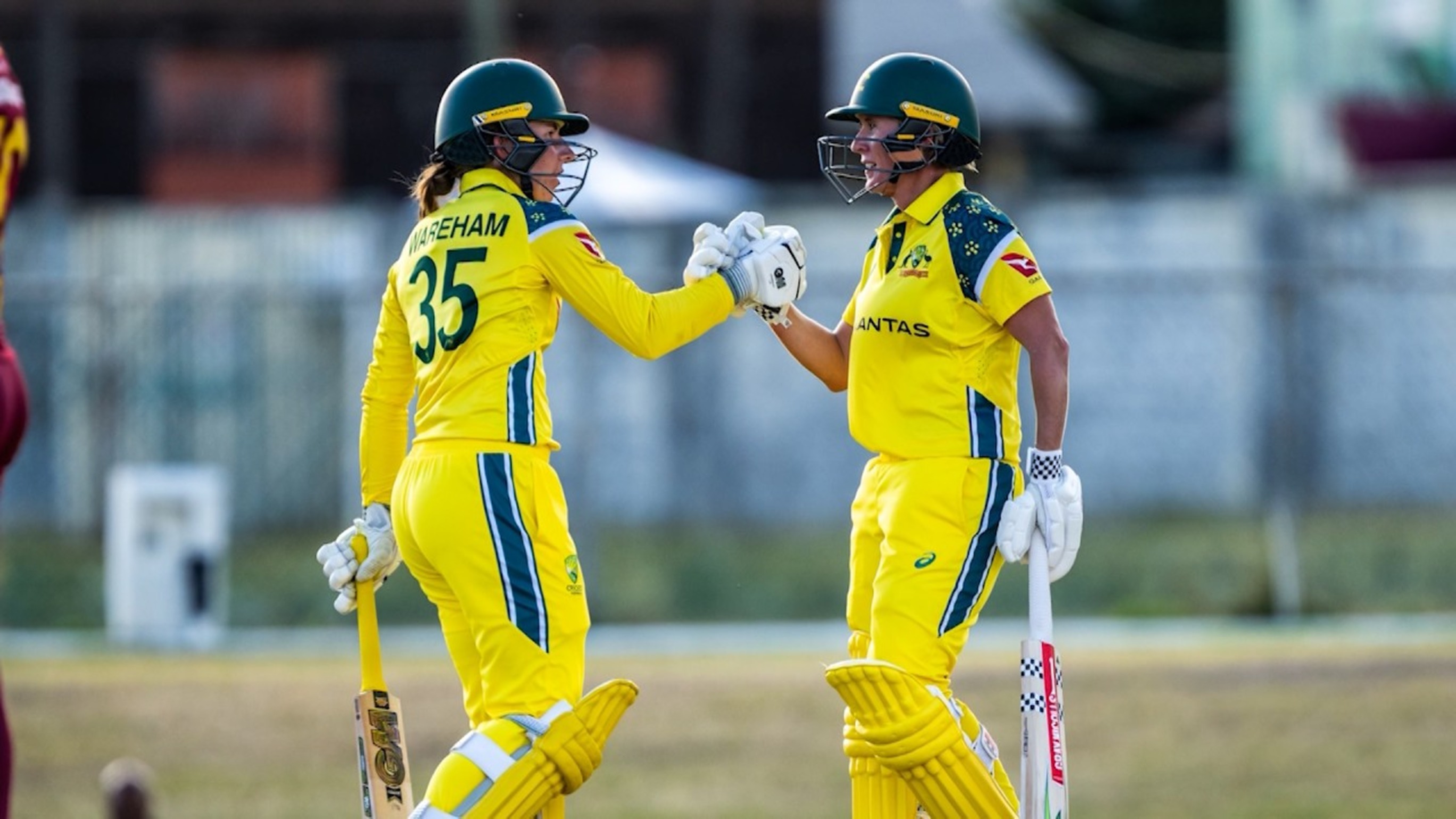
Australia’s women chased 173 in an ODI against Bangladesh and finished it in 22.4 overs, with two wickets down. On Sunday, in a T20I against New Zealand, they chased 163 and needed 18.5 overs, with eight wickets gone.
The chase in the shorter game took more of an emotional toll than the one in the longer game. Same team. Same core batters. Entirely different job.
Two chases in one October
Take the T20 first. Australia were 102 for two after ten overs, with Beth Mooney on 38 off 25 and Ellyse Perry about to make 52 off 30 balls. The required rate was comfortably under a run a ball. Then the wickets started to fall, and the score slumped to 145 for seven in the 16th over before Australia scraped home with seven balls to spare.
Cricket Australia described it as the team’s new brand of all-out attack, which cost wickets. The ODI chase didn’t carry that risk, and it didn’t need to.
The point isn’t that one innings was better. It’s that a batter in the ODI had 300 balls and plenty of time to recover from a mistake, while a batter in the T20 had 120 and almost none.
Why 120 balls changes the job
The first difference is field restrictions. In a T20, only two fielders are allowed outside the 30-yard circle for the first six overs, and then five are allowed. In an ODI, two are allowed outside for the first ten overs, four for overs 11 to 40, and five for the last ten. That means an ODI batter faces a more defensive field for much of the middle of the innings and is rewarded for rotating the strike.
The second difference is the cost of a dot ball. In a T20, a ball without a run is a significant event. In an ODI, it’s a minor one, because there’s another chance coming. A batter who is comfortable absorbing pressure and picking the right moment to attack may find that skill less useful when the innings is only 20 overs long.
The third is risk. In an ODI, wickets in hand are a resource, and a batter who’s still there at the 40th over is valuable. In a T20, the value of staying in is lower, and a batter who plays a big shot and gets out may have helped the team more than one who survives and scores slowly.
What an average hides
The most common way to compare batters is by their average, which measures how many runs a player scores per dismissal. That works well in Tests and ODIs, where staying in is the point. It’s much less informative in T20s.
In a T20, strike rate and the situation matter more. A batter who scores 30 off 15 balls in the powerplay is doing something different from one who scores 45 off 40 in the middle overs. The first might be worth more even though the second looks better on paper.
That’s one reason a batter’s ODI and T20 numbers can look so different. The same skill set produces different output depending on what the format rewards. The average winning first-innings score in women’s T20Is at North Sydney is 160, according to Cricket Australia, so the target is clear. An ODI chase of 173 is a different conversation.
Judging players across formats
There’s a temptation to say that one format shows who is the better player. Longer formats tend to be treated as the real test, and shorter ones as entertainment. That’s unfair to both.
The truth is that the formats ask different questions. ODIs test patience, pacing and the ability to build an innings. T20s test power, improvisation and nerve in short bursts. Some players are great at both, and others are specialists, and neither type is lesser.
What fans can do is watch for the context. When a batter looks uncomfortable in a T20, it may be because her natural game is built around a clock that doesn’t exist in the shorter format. When a power hitter struggles in an ODI, it may be because the first 20 overs don’t reward her strengths.
Which would you rather have in your side: a T20 batter who averages 25 at a strike rate of 150, or an ODI anchor who averages 50 at a strike rate of 80?

Sarajevo Back at the Heart of Regional MMA: SFC Returns with Explosive Matchups

How Buzzer Karma Works: Levels, Penalties, and What They Mean

Inside Buzzer's Latest Update (and Why It Changes How You Use the App)

Buzzer Introduces Ads Console: A New Era of Advertising Across the Entire Buzzer Ecosystem

Buzzer Is Evolving: From Quantity to Quality

Polo Al Taco Expands Its Global Reach Through Weekly Livestreams on Buzzer Arena TV

Buzzer Now Has a Games Hub, and Tournaments Are Coming

Al Ittihad SC's Matches Are Now Live on Buzzer

Palm City vs Gulf United Ends in 1–1 Draw in UAE Second Division League Clash

"We Don't Take the Guy With the Camera." He Built His Own Club Anyway. Now He's Coming to Find You.


