





 0

Why Are Marathon Champions Choosing New York When Faster Courses Exist?
Ask a marathon runner whether she’d rather have a personal best or a major title, and watch her pause. In New York, most of the elite field has already answered.
Hellen Obiri’s course record in New York is 2:19:51. Her personal best, from London this spring, is 2:15:53. She isn’t chasing the clock in November, and neither are most of the people around her.
The clock is a rumour, the finish line is a fact
A personal best is a private achievement. A major title is a public one, and it’s what makes a runner a marathon champion in the record books. New York is among the oldest and most prestigious road races in the world, and its list of winners is a roll call.
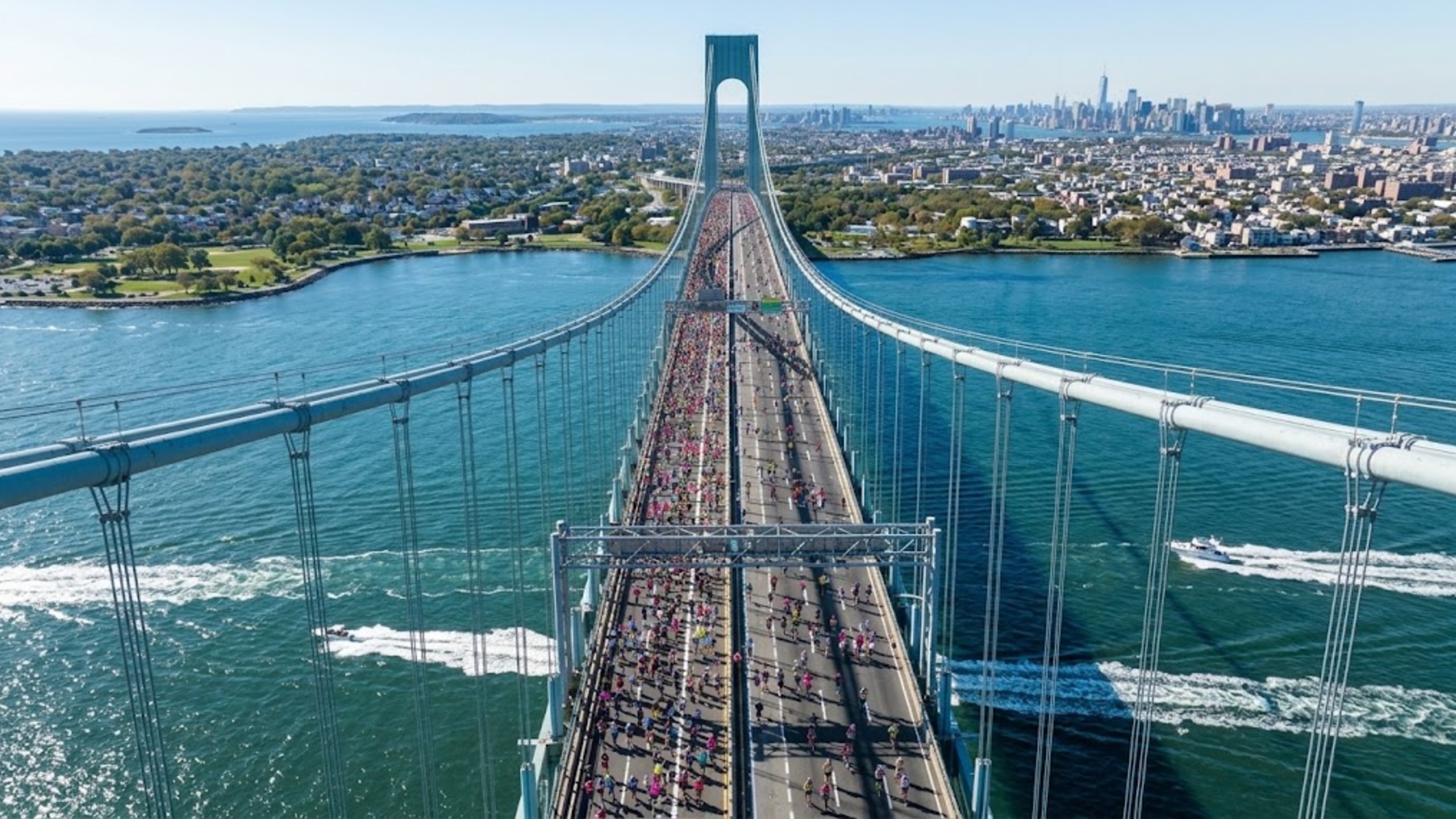
That list gets longer on Sunday, when the race marks 50 years of its five-borough course. The 1976 race, won by Bill Rodgers, was the first with a professional field. Every champion since has been joining a line that started there.
What the athletes actually say
Benson Kipruto, who won last year and returns to defend, put it simply. He called his debut in New York unforgettable and said every major is important, but the city’s atmosphere and community are unique. That’s not the language of someone chasing a number.
Kipruto’s own win was a masterclass in this approach. He beat Alexander Mutiso by three hundredths of a second, the smallest margin in race history, and he did it on a course where no one sets the pace. He didn’t run a fast time. He ran a good race.
The money and the machine
Elite marathoners have to balance several things at once. Appearance fees are negotiated privately, and prize money varies. Sponsors want their athletes in front of the largest audiences, and New York puts them on a global broadcast and past two million spectators.
Those are practical reasons, and they matter. They also feed back into the sport, because a runner who wins New York raises her market value for years afterwards. A personal best in Berlin earns respect, but a New York win earns a different kind of attention.
There’s also a calendar logic. Top athletes can only run a few marathons a year. Obiri’s recent schedule includes Boston, New York and London, and that spread tells you she plans her seasons around major titles.
Why I think they’re right
I’d say the athletes are making a smart choice. Records fall, and every one is eventually broken. A title in New York is permanent in a way a time isn’t.
There’s a human side too. A race on a fast course is a solitary effort against a stopwatch. New York asks you to beat the specific people next to you, in a city that’s loud about it. If you’re the best in the world, that’s the contest you want.
Not everyone will accept that. Fans of the sport’s record book would argue that the best marathoners should chase the fastest possible time, because that’s the purest measure of human performance. A runner who skips Berlin to win in New York is trading a number for a trophy.
Both arguments have merit, but I’d side with the champions. The sport is about racing people as much as the clock, and New York keeps it honest. If you had one marathon to win in your career, would you take the world record on a flat course or the title in New York?

Sarajevo Back at the Heart of Regional MMA: SFC Returns with Explosive Matchups

How Buzzer Karma Works: Levels, Penalties, and What They Mean

Inside Buzzer's Latest Update (and Why It Changes How You Use the App)

Buzzer Introduces Ads Console: A New Era of Advertising Across the Entire Buzzer Ecosystem

Buzzer Is Evolving: From Quantity to Quality

Al Ittihad SC's Matches Are Now Live on Buzzer

Polo Al Taco Expands Its Global Reach Through Weekly Livestreams on Buzzer Arena TV

Buzzer Now Has a Games Hub, and Tournaments Are Coming

Palm City vs Gulf United Ends in 1–1 Draw in UAE Second Division League Clash

"We Don't Take the Guy With the Camera." He Built His Own Club Anyway. Now He's Coming to Find You.


