





 0

Sepak Takraw Fills Stadiums Across Southeast Asia. Most of the World Has Never Heard of It.
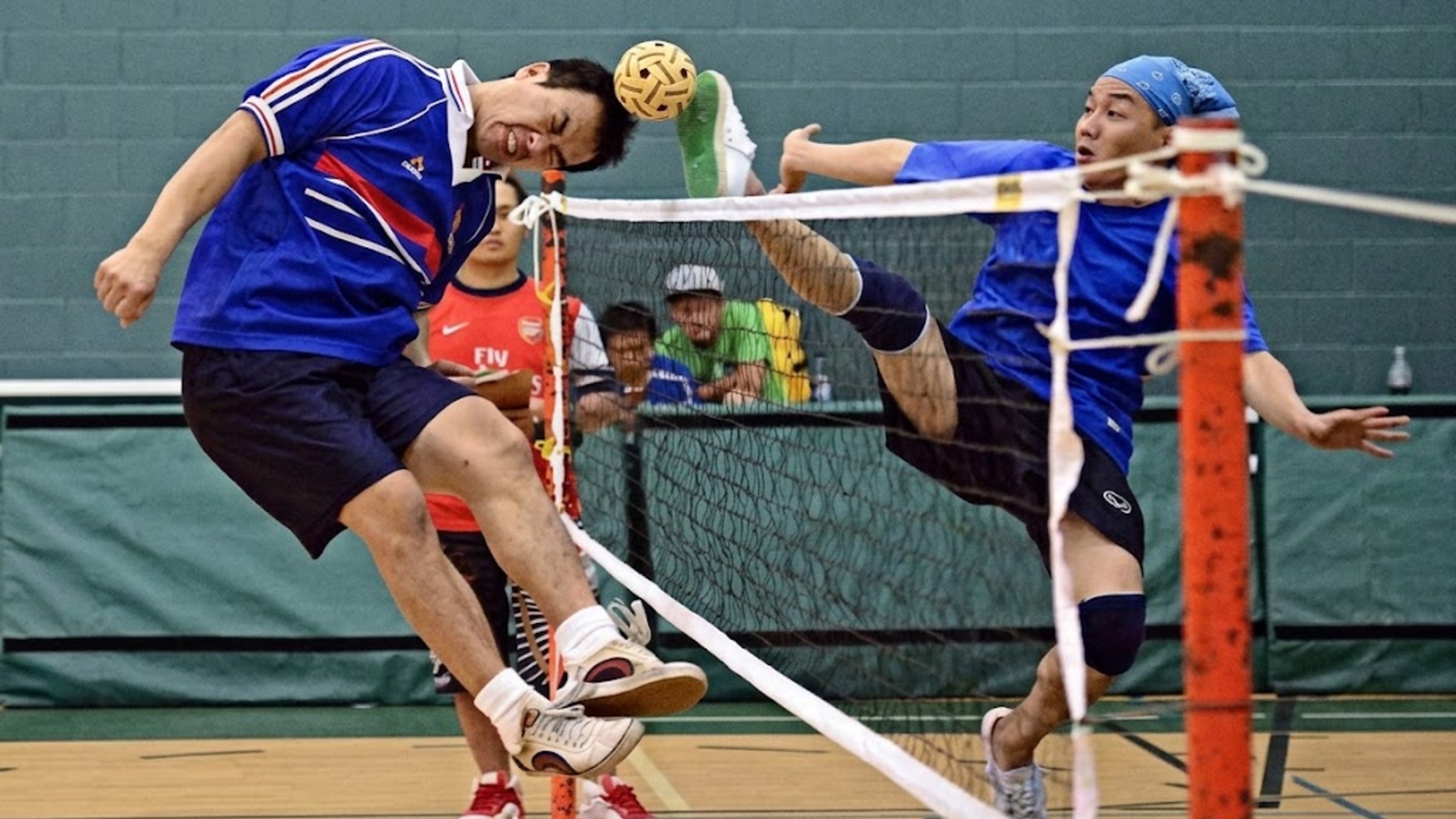
Sepak takraw, a sport combining elements of volleyball and football played with a woven rattan ball and no hands allowed, draws genuinely massive, passionate crowds across Thailand, Malaysia and Indonesia. Outside that specific region, it's functionally invisible, absent from global broadcast coverage, absent from most casual sports conversation entirely, despite a level of skill and athleticism that rivals almost anything in mainstream Western sport.
That gap between regional popularity and global visibility isn't about sepak takraw's actual quality or entertainment value. It's about which institutions have historically controlled global sporting visibility, and which sports simply never fit their specific criteria for inclusion.
Why visibility was never a neutral, purely merit-based process
Global sports media infrastructure, broadcast networks, international federations, major event organizers, developed overwhelmingly around European and North American sporting traditions. Sports that built early, deep relationships with those specific institutions gained outsized global visibility regardless of their actual worldwide participation numbers or competitive quality. Sports that developed primarily within other regional ecosystems, sepak takraw, kabaddi, wushu among them, simply never had equivalent access to that visibility infrastructure, whatever their actual popularity within their own regions.
That's a structural explanation, not a quality judgment. A sport can command genuinely massive regional audiences and still remain almost entirely absent from global sports media, purely because the institutions that determine what gets broadcast where were never built with that sport's specific regional base as a priority.
What geography and media actually determine
A sport's global visibility correlates far more strongly with which broadcast and media institutions happened to adopt it early than with how many people actually play or watch it worldwide. Sepak takraw's absence from global sports coverage says essentially nothing about how many people across Southeast Asia genuinely care about it, and a great deal about which regions' sporting cultures global media infrastructure was originally built to serve.
That mismatch compounds over time. A sport with strong early broadcast relationships accumulates increasing visibility, sponsorship, and institutional recognition in a reinforcing cycle. A sport without those early relationships, however popular regionally, has to work exponentially harder to break into a visibility ecosystem that was never designed with it in mind.
Who actually gets to decide what counts as "global"
The Asian Games gives sepak takraw, alongside kabaddi and wushu, a major stage specifically because the OCA's own selection criteria were built around Asian sporting culture rather than inheriting the Western-centric assumptions baked into the Olympic program's historical development. That's a genuinely different selection logic, one worth taking seriously as a corrective rather than treating Olympic inclusion as the only legitimate marker of a sport's worth.
Who should actually get to decide which sports count as globally significant: the institutions that happened to build the broadcast infrastructure first, or the actual size and passion of a sport's audience wherever in the world that audience happens to live?

Sarajevo Back at the Heart of Regional MMA: SFC Returns with Explosive Matchups

How Buzzer Karma Works: Levels, Penalties, and What They Mean

Inside Buzzer's Latest Update (and Why It Changes How You Use the App)

Buzzer Introduces Ads Console: A New Era of Advertising Across the Entire Buzzer Ecosystem

Buzzer Is Evolving: From Quantity to Quality

Polo Al Taco Expands Its Global Reach Through Weekly Livestreams on Buzzer Arena TV

Al Ittihad SC's Matches Are Now Live on Buzzer

Buzzer Now Has a Games Hub, and Tournaments Are Coming

Palm City vs Gulf United Ends in 1–1 Draw in UAE Second Division League Clash

"We Don't Take the Guy With the Camera." He Built His Own Club Anyway. Now He's Coming to Find You.


 1


