





 0

What Happens When Sports Stop Being Local? The NFL, F1 and Basketball Are Testing the Answer
Right now, in the same week, the NFL is playing its first-ever regular season game in Australia, Formula 1 is racing on a brand-new circuit in Madrid built around a ten-year international expansion plan, and basketball's global talent pool is producing a 7-foot-3 teenage star from China who's already causing problems for the best defenders in the WNBA.
None of these are isolated stories. They're the same underlying bet, made independently by three different sports at once: that fandom no longer has to be built where a league started.
The NFL's Melbourne experiment
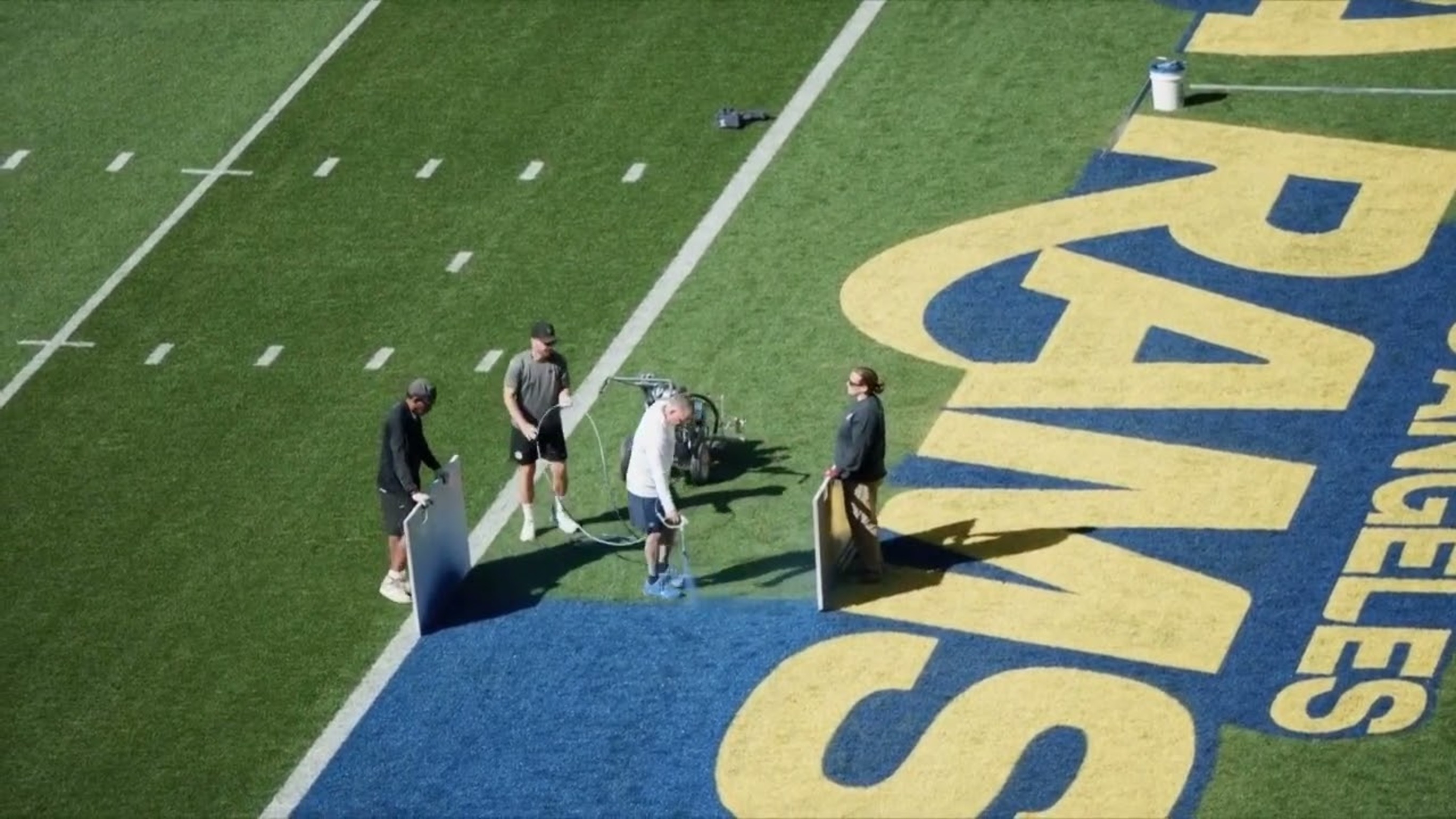
The Rams-49ers game at the MCG isn't a one-off exhibition. It's part of a multiyear commitment and one of nine international games the NFL is staging across four continents this season alone. The league is explicitly betting that live, high-profile games, not just broadcast deals, are what actually convert curious viewers into genuine fans over time, following the same playbook that's slowly built real audiences in London over more than a decade.
F1's bet on a bigger, newer city
Formula 1's move from Barcelona to a purpose-built Madrid circuit reflects an almost identical logic, chasing bigger capacity, better urban access, and a market willing to commit to a ten-year contract. The Madring wasn't chosen because it offers better racing than Barcelona's well-regarded layout. It was chosen because Madrid offers scale, projected capacity eventually reaching 140,000 fans a day, that F1's business model increasingly prioritizes over pure track quality.
Basketball's talent pipeline going global
Unlike the NFL and F1, which are exporting existing product to new markets, basketball's globalization looks different: talent is flowing inward from markets the sport hadn't fully tapped before. Zhang Ziyu's emergence from China's domestic system, following a path first cleared by Yao Ming decades earlier, shows a sport where international growth isn't just about selling tickets abroad but about the sport's actual competitive core becoming less American by default.
What separates success from a novelty
The pattern across all three sports is the same: a single flashy event generates headlines, but only sustained, repeated investment turns curiosity into an actual fanbase. London's NFL games took over a decade of consistent scheduling to build real jersey-wearing, pub-gathering fandom. F1's various city-centre street race experiments have had mixed long-term success depending entirely on whether organizers kept investing after the initial buzz faded.
The honest risk in all of this
Chasing global scale can dilute what made a sport distinctive in its home market in the first place. American football culture in Wisconsin looks nothing like American football culture being introduced in Melbourne this week, and there's no guarantee the version that travels well internationally is the version domestic fans still recognize or value.
When a sport crosses borders and actually sticks, is it because the sport itself traveled well, or because a market was simply waiting for any excuse to adopt something new?

Sarajevo Back at the Heart of Regional MMA: SFC Returns with Explosive Matchups

How Buzzer Karma Works: Levels, Penalties, and What They Mean

Inside Buzzer's Latest Update (and Why It Changes How You Use the App)

Buzzer Introduces Ads Console: A New Era of Advertising Across the Entire Buzzer Ecosystem

Buzzer Is Evolving: From Quantity to Quality

Polo Al Taco Expands Its Global Reach Through Weekly Livestreams on Buzzer Arena TV

Al Ittihad SC's Matches Are Now Live on Buzzer

Buzzer Now Has a Games Hub, and Tournaments Are Coming

Palm City vs Gulf United Ends in 1–1 Draw in UAE Second Division League Clash

"We Don't Take the Guy With the Camera." He Built His Own Club Anyway. Now He's Coming to Find You.


 1


