Norway have won the last three Women's EHF Euros, and they start the 2026 tournament on 4 December aiming for a fourth in a row and an 11th title overall, according to the European Handball Federation. To stop them, 23 other teams have to get through a format with three stages before a single medal match.
Six groups of four
The tournament runs from 3 to 20 December. Twenty-four teams are split into six preliminary groups, A to F, and the EHF's group list reads like this:
Group A has Hungary, Montenegro, Slovenia and Iceland, and is based in Oradea. Group B has Norway, Romania, Switzerland and North Macedonia, in Cluj-Napoca. Group C has Denmark, Spain, Türkiye and Greece, in Antalya. Group D has the Netherlands, Czechia, Austria and Croatia. Group E has France, Poland, the Faroe Islands and Ukraine, in Katowice. Group F has Sweden, Germany, Serbia and Slovakia, in Bratislava.
Five nations share the hosting, the EHF says: Poland, Romania, Czechia, Slovakia and Türkiye. It is the first time that many have split a tournament.
Groups A and C start on 3 December, B, D and F on 4 December and E on 5 December. Each group plays three rounds between 3 and 9 December, and the top two in each go through.
The main round
Here the tournament gets its second shape. The top two teams from groups A, B and C go to main round group I in Cluj-Napoca. The top two from D, E and F go to main round group II in Katowice.
Main round play starts on 10 December.
Groups A, B and C all feed the same pool, so Norway, Hungary, Denmark and Spain would meet in Cluj-Napoca if they go through. The other pool plays in Katowice, where the final weekend is also held.
The top two in each main round group reach the semi-finals. Those, and the fifth-place match, are on Friday 18 December in Katowice.
One small rule with big consequences
One detail in the schedule changes how teams think about the preliminary round. The EHF says teams from pot two and pot three play each other on the last preliminary day, and that this affects who qualifies for the main round.
So the last round of the preliminary phase is never a formality.
Group E, and the Faroe Islands
Poland open against France in Katowice, and the Faroe Islands face Ukraine, the EHF's Katowice page says. Poland then play Ukraine while France meet the Faroe Islands, and the group finishes with Poland against the Faroe Islands and France against Ukraine. The Faroe Islands are making a second appearance at an EHF Euro, and they are chasing a first win at a final tournament.
Group E starts last. Its matches are on Saturday 5, Monday 7 and Wednesday 9 December, at 18:00 and 20:30 CET. The venue is Spodek Arena, which holds 11,000 people, and Katowice also stages the final weekend. The bronze medal match is at 15:15 CET and the final at 18:00 CET on Sunday 20 December.
Any team that wants to be playing on 20 December has to get through the preliminary round, the main round and a semi-final first.
Where a young player gets seen
Players reach a final tournament like this long after they were first spotted. For a player who wants coaches and scouts to see more than a result, the Athlete Badge gives an athlete a verified profile with footage and stats, visible to more than 500 connected clubs and scouts. Buzzer's guide to how scouts find and evaluate athletes online explains what they look for, and the app has asked whether smaller sports can build audiences without becoming football.
Twenty-four teams start, and Norway are the ones everyone else has to beat.
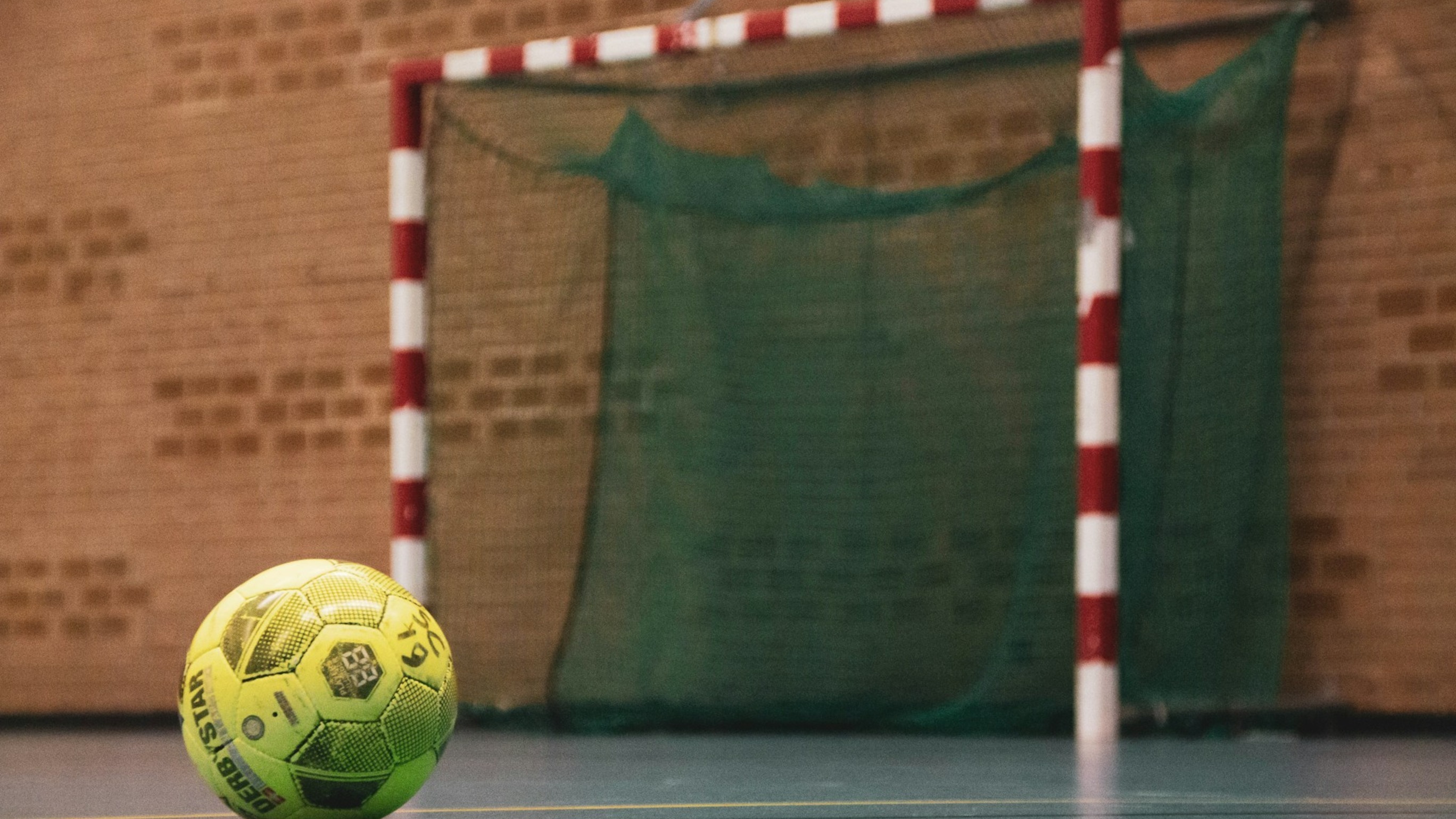
Photo by Pascal Swier.





 0