





 0
South Africa and Australia Are Starting Another ODI Series. Why Bilateral Cricket Still Matters
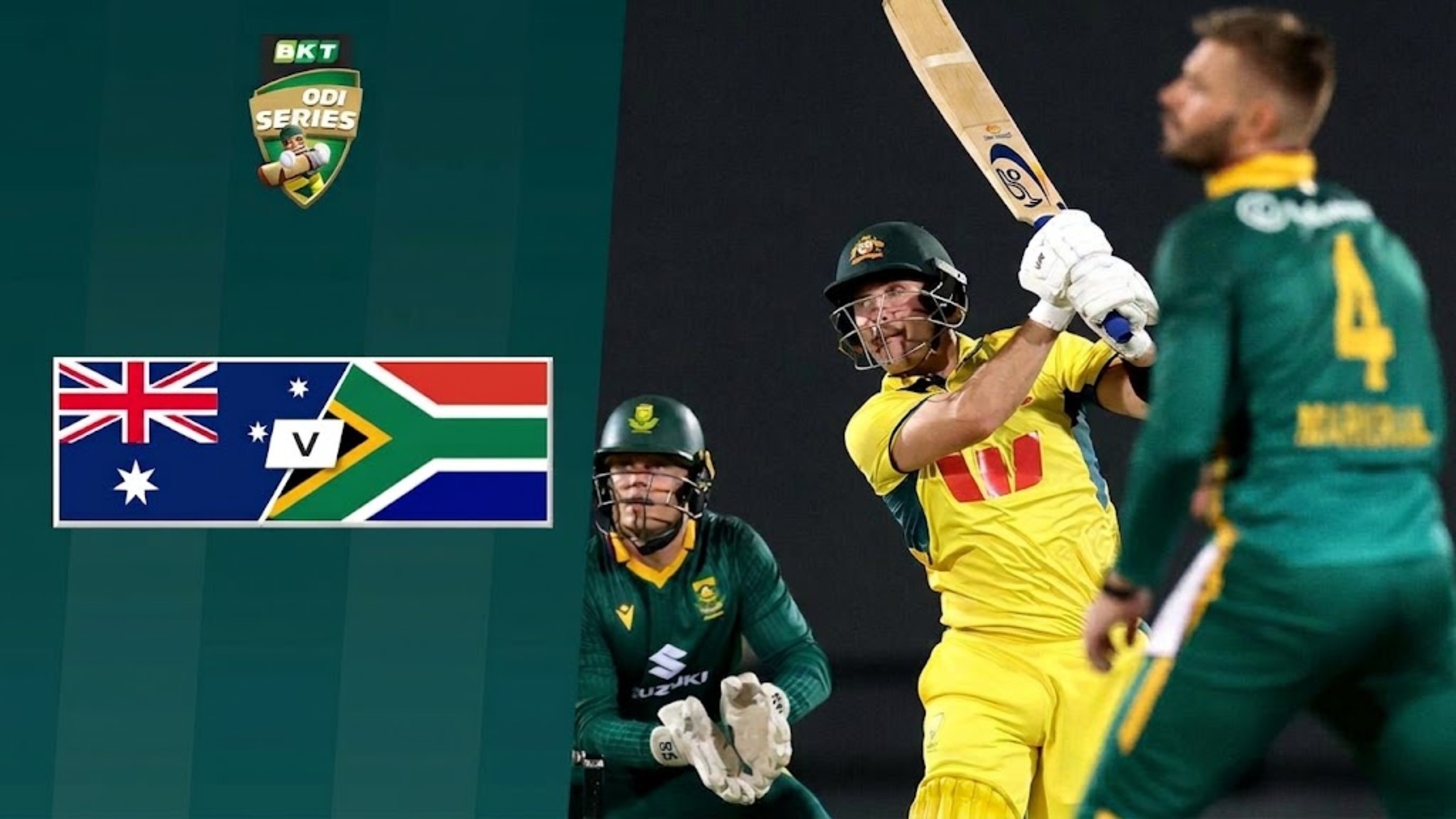
South Africa and Australia just played a World Test Championship final together at Lord's. Now they're back in the same country, playing a three-match one-day series that most casual fans will barely notice happened.
A rematch nobody scheduled for the spotlight
South Africa beat Australia by five wickets in June to win the World Test Championship, the biggest prize in the format outside a World Cup itself. The two sides are now meeting again, starting with three ODIs in Durban, Johannesburg and Potchefstroom before a three-Test series that runs into late October, the first time Australia has toured South Africa for Tests since the infamous 2018 ball-tampering series that ended with sandpaper in Cameron Bancroft's pocket and Steve Smith's captaincy in ruins.
Given that history, and given the WTC final was barely three months ago, you'd think this rematch would command real attention. Instead, it's arriving as a routine tour fixture, squeezed into a calendar increasingly dominated by franchise leagues and global tournaments with bigger prize money and bigger broadcast deals.
What bilateral cricket still offers that a tournament can't
There's a real case for why series like this one still matter, even in a crowded calendar. A World Cup or a WTC final compresses everything into a handful of must-win games, where a single bad session can end a campaign built over years. A bilateral series is the opposite: it's where teams actually develop the depth, the bench options, and the tactical wrinkles that later show up in those bigger tournaments.
South Africa is missing fast bowlers Kagiso Rabada and Lungi Ngidi through injury for this ODI series, forcing Temba Bavuma to lean on options who wouldn't normally get a look with the full squad fit and available. That's precisely the kind of low-stakes opportunity a World Cup never provides. Nobody discovers whether a fringe player can handle international pressure during a knockout final. They discover it during a Tuesday ODI in Potchefstroom that half the cricket world has already forgotten is happening.
The scheduling squeeze is real
None of this means the bilateral format is safe from pressure. The ICC's Super League, an earlier attempt to give bilateral ODI cricket more structure and stakes by tying it directly to World Cup qualification, has already been abandoned once amid scheduling conflicts, a reminder of how fragile these series can be when franchise cricket keeps expanding its own calendar space.
Why the rivalry still has teeth
What ultimately saves a series like this one from total irrelevance is the rivalry underneath it. These two teams have a genuine, occasionally bitter history, not just the 2018 scandal but a string of tight semifinal losses that have defined South African cricket's reputation for choking on the biggest stage. A three-Test series that ends at Newlands, the exact ground where the ball-tampering scandal first broke, carries weight that a neutral tournament simply can't replicate.
Franchise cricket offers spectacle and money. Global tournaments offer stakes and a trophy. Bilateral series, when they're between two teams with real history, offer something neither can quite match: the slow, cumulative texture of an actual rivalry, built series by series rather than compressed into a single knockout afternoon.
As franchise leagues and global tournaments keep expanding and squeezing the calendar, does bilateral cricket between genuine rivals still deserve its place, or is it destined to keep shrinking into background noise between the events broadcasters actually promote?

Sarajevo Back at the Heart of Regional MMA: SFC Returns with Explosive Matchups

How Buzzer Karma Works: Levels, Penalties, and What They Mean

Inside Buzzer's Latest Update (and Why It Changes How You Use the App)

Buzzer Introduces Ads Console: A New Era of Advertising Across the Entire Buzzer Ecosystem

Buzzer Is Evolving: From Quantity to Quality

Buzzer Now Has a Games Hub, and Tournaments Are Coming

Al Ittihad SC's Matches Are Now Live on Buzzer

Palm City vs Gulf United Ends in 1–1 Draw in UAE Second Division League Clash

"We Don't Take the Guy With the Camera." He Built His Own Club Anyway. Now He's Coming to Find You.

Building the Infrastructure Sports Tech Forgot


