





 0

The WNBA Playoffs Are Already Showing What Changes When Every Game Becomes a Series
For years, a WNBA team could have a fantastic season and lose it in one night.
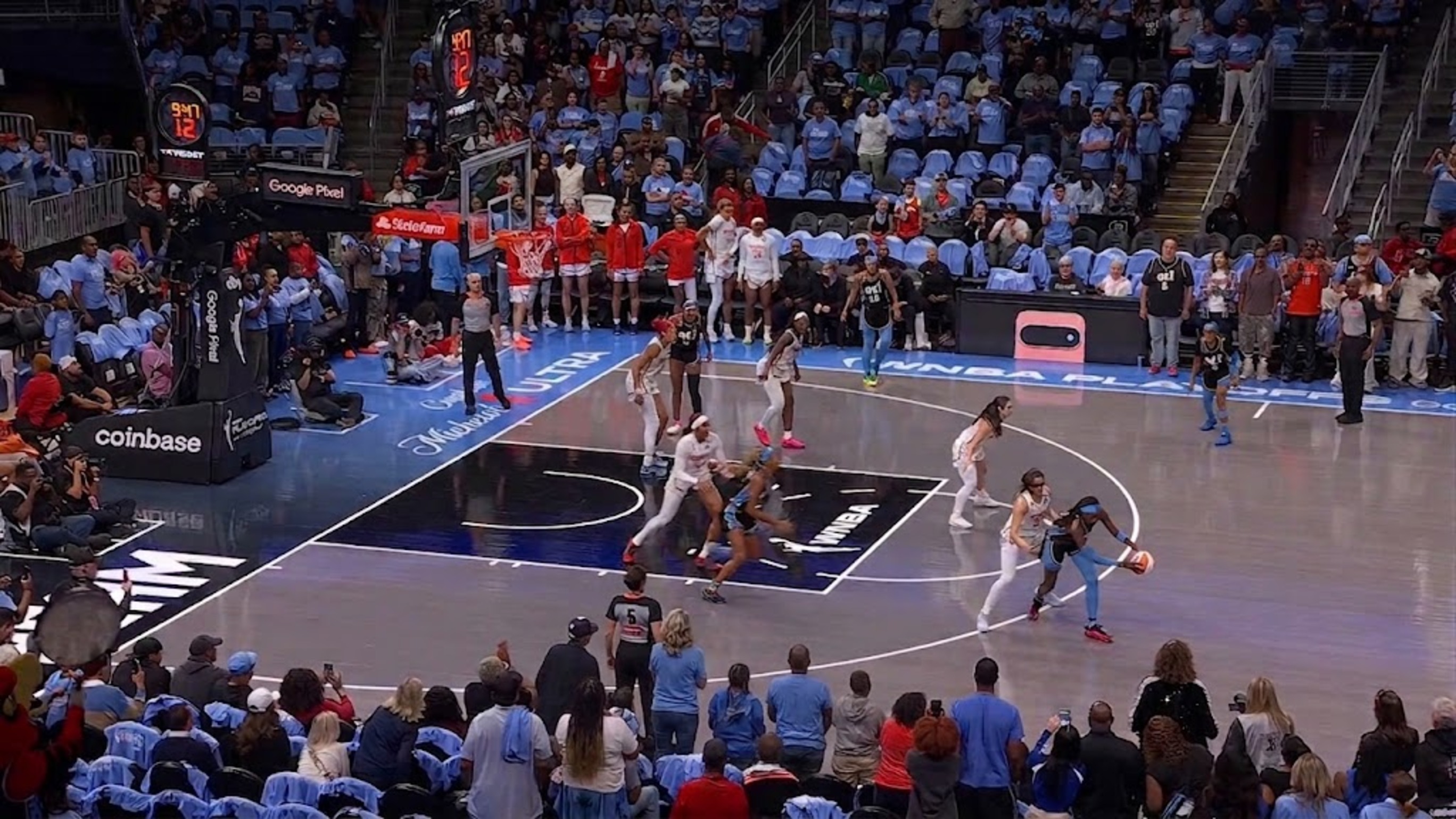
That was the reality from 2016 to 2021, when the early playoff rounds were single-elimination games. One bad shooting night, one injured starter, one hot opponent, and the year was over. The league moved to series formats in 2022, and the 2026 postseason is now underway with best-of-three first-round series and best-of-five semifinals.
What a series does that a single game can't
A single game is basically a coin flip weighted a little toward the better team. A series gives the better team more chances to show it. Not certainty, but more chances.
Best-of-three is the shortest series that exists, so it doesn't remove randomness. It just reduces it. A team can no longer lose because one player had an awful night, at least not automatically. It has to lose twice.
The best-of-five semifinals go further. Five games give both coaches room to adjust, and the team with the deeper bench and the better plan has time to show it.
Adjustments become the whole game
Once a series lasts more than one game, playoff basketball turns into a chess match. Coaches study what worked in Game 1 and try to fix what didn't for Game 2. A defensive scheme that shut down a star for 40 minutes gets exposed by lunchtime the next day.
That changes who benefits. In a single-elimination format, a team with a great star and a thin supporting cast can steal a night. Over a series, depth and versatility matter more, because opponents get to test every weakness.
There's also a fatigue element. Stars play heavy playoff minutes, and over several games those minutes add up. A team that can trust its second unit has more energy left in the fourth quarter of a decisive game.
Roster construction gets a new job
Front offices have noticed. Building a roster for a single elimination game and building one for a series are different jobs. The first rewards a top-heavy lineup. The second rewards a team that can survive an injury, a suspension or an off night from its best player.
That pushes decisions about depth, positional flexibility and bench scoring up the priority list. A second scorer who can carry the offence for a half is worth much more when a series can turn on one bad half.
It also changes how coaches handle the regular season. Getting a higher seed matters because a best-of-three doesn't leave much room for error, and home court in a short series is a genuine edge. Teams that used to coast into a playoff spot now have a reason to push for position.
The case for the compromise
Best-of-three has its critics. It's short, and a team that plays 40 regular-season games can still be sent home after three. Anyone who watched an upset in the old single-game format will admit the current version is less brutal, but it's not exactly kind either.
The argument in its favour is practical. A longer first round would stretch the postseason, and there's a limit to how much schedule the league can spare. Best-of-three keeps the opening round tight and exciting while giving teams at least a second chance.
Fans seem to enjoy it, too. Every game in a short series carries real stakes, which makes even a Game 1 feel like a decider. That's a powerful selling point in a league still growing its audience.
So is a best-of-three long enough to prove anything, or is it a single-elimination game in a slightly nicer coat? And would the league be better off adding a game to the opening round?

Sarajevo Back at the Heart of Regional MMA: SFC Returns with Explosive Matchups

How Buzzer Karma Works: Levels, Penalties, and What They Mean

Inside Buzzer's Latest Update (and Why It Changes How You Use the App)

Buzzer Introduces Ads Console: A New Era of Advertising Across the Entire Buzzer Ecosystem

Buzzer Is Evolving: From Quantity to Quality

Polo Al Taco Expands Its Global Reach Through Weekly Livestreams on Buzzer Arena TV

Al Ittihad SC's Matches Are Now Live on Buzzer

Buzzer Now Has a Games Hub, and Tournaments Are Coming

Palm City vs Gulf United Ends in 1–1 Draw in UAE Second Division League Clash

"We Don't Take the Guy With the Camera." He Built His Own Club Anyway. Now He's Coming to Find You.


