





 0

How to Play Football in Malaysia: A Bosnian Winger's Route
For a Bosnian footballer, the route to Malaysia can start with a single phone call. Danilo Šipovac, a winger, joined Penang FC in the Malaysian Super League in 2025, and he told Buzzer the move was guided by a manager and scout he trusted.
That is the short version of how to play football in Malaysia. The longer version has more to it.
The call that started it
Šipovac told Buzzer Talks, the interview series hosted by Nedo Turković, that his move was guided by Nedim, a football manager and scout who helps young Bosnian players find opportunities abroad. Trust in Nedim was a key factor in his decision, the interview says.
But Nedim was not the only person watching. The Star reported in June 2025 that Penang's head coach, Wan Rohaimi Wan Ismail, had been tracking the 25-year-old for some time. Šipovac told the paper the offer "came after my good performances last season."
The two accounts do not agree on where he came from. Buzzer's interview describes a move from Zrinjski Mostar in the Bosnian Premier League. The Star listed BSK Banja Luka, in the Bosnian second division, as his last club, with Zrinjski earlier on his record. Either way, a scout and a coach were both looking at him before anyone signed anything.
What Penang did before he arrived
Before Šipovac landed, Penang FC arranged his accommodation and logistics, so he and his wife could settle in. His wife is a nutritionist, and she helps him keep his diet and fitness routine on track.
That sort of detail rarely makes the match report. But moving countries means a flat, a routine and a new club all at once, and Penang sorted the first of those before he arrived.
The calendar he joined
Buzzer published the interview on 12 November 2025, so the season details here describe the 2025-26 campaign. When it was recorded, Šipovac had joined about a month and a half earlier. Penang had been training intensively since June. The Malaysian Super League starts in August and runs until May, and Penang's opening fixture was against Terengganu FC. The club's aim was to finish in the top five.
Notice how long that league season is. A winger who signs in the summer is committing to the best part of a year.
The gap he noticed
Šipovac also described what had changed on the training ground. According to Buzzer's write-up, he talked about Malaysian training intensity, and about infrastructure: clubs such as Johor Darul Ta'zim, he said, have much better facilities than clubs in the Balkans.
He is also a fast player. Buzzer's article describes him as one of the fastest players to come out of the Bosnian Premier League, and says he once recorded a top speed of 36 km/h. The Star gave the same figure and also did not say how it was measured, so treat it as a claim, not a record.
The rules for foreign players keep moving
Anyone planning this route should know that the league's rules on imports do not stand still. Under the Malaysia Football League's rule for 2025-26, a club can field six foreign players at a time, with three more on the bench, and register up to 15 for the season, according to Newswav.
In August 2026 the league raised the squad limit from 33 to 38 players for 2026-27, Newswav reported. All five extra places are for local players, and the foreign limit stays at 15. So the new places do nothing for a player from abroad.
Rules like that decide how many spots a club has for a foreign player. So before anyone books a flight, the current rules are the first thing to check, and someone who works in this market is the person to ask.
What this route says about getting seen
Look at what made the move happen. A trusted intermediary knew the player and knew where to take him. A coach in Penang had followed his season. And the club handled the logistics once the deal was done.
For a player without a Nedim, the first part is the problem. Nobody can make the call if there is nothing to point at, and the call is where it starts.
Buzzer's Athlete Badge gives a player a verified profile with footage and stats, visible to more than 500 connected clubs and scouts, so that the evidence exists before anyone picks up the phone. You can also read how scouts find and evaluate athletes online, or the full interview write-up with Šipovac.
A phone call can move a career to Penang. The profile is what makes the phone ring.
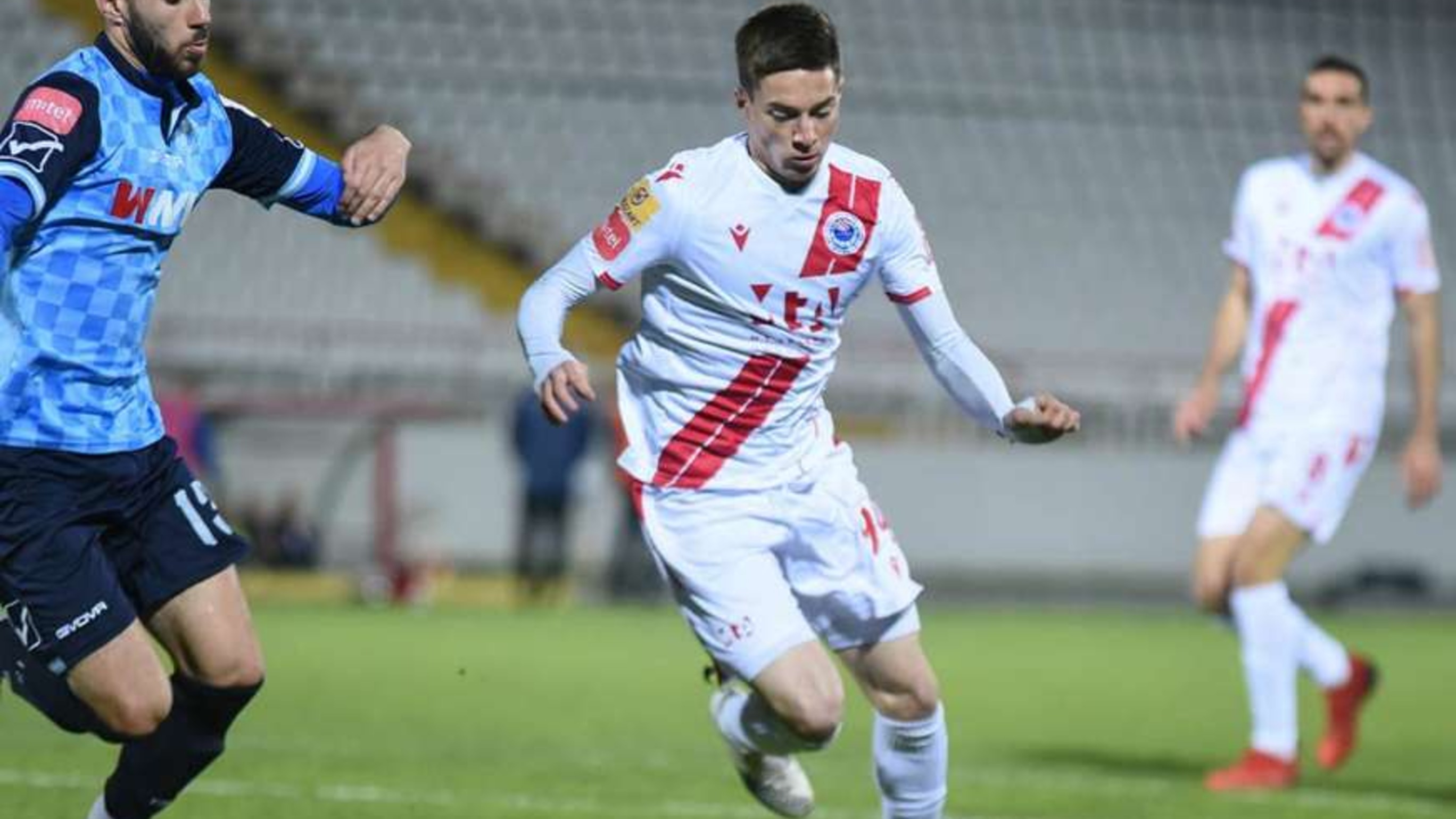
Cover photo by Zrinjski.

Sarajevo Back at the Heart of Regional MMA: SFC Returns with Explosive Matchups

How Buzzer Karma Works: Levels, Penalties, and What They Mean

Inside Buzzer's Latest Update (and Why It Changes How You Use the App)

Buzzer Introduces Ads Console: A New Era of Advertising Across the Entire Buzzer Ecosystem

Buzzer Is Evolving: From Quantity to Quality

Al Ittihad SC's Matches Are Now Live on Buzzer

Polo Al Taco Expands Its Global Reach Through Weekly Livestreams on Buzzer Arena TV

Buzzer Now Has a Games Hub, and Tournaments Are Coming

Palm City vs Gulf United Ends in 1–1 Draw in UAE Second Division League Clash

"We Don't Take the Guy With the Camera." He Built His Own Club Anyway. Now He's Coming to Find You.


