





 0

The Brewers Keep Coming Back. Is It a Skill or Just a Great Bullpen?
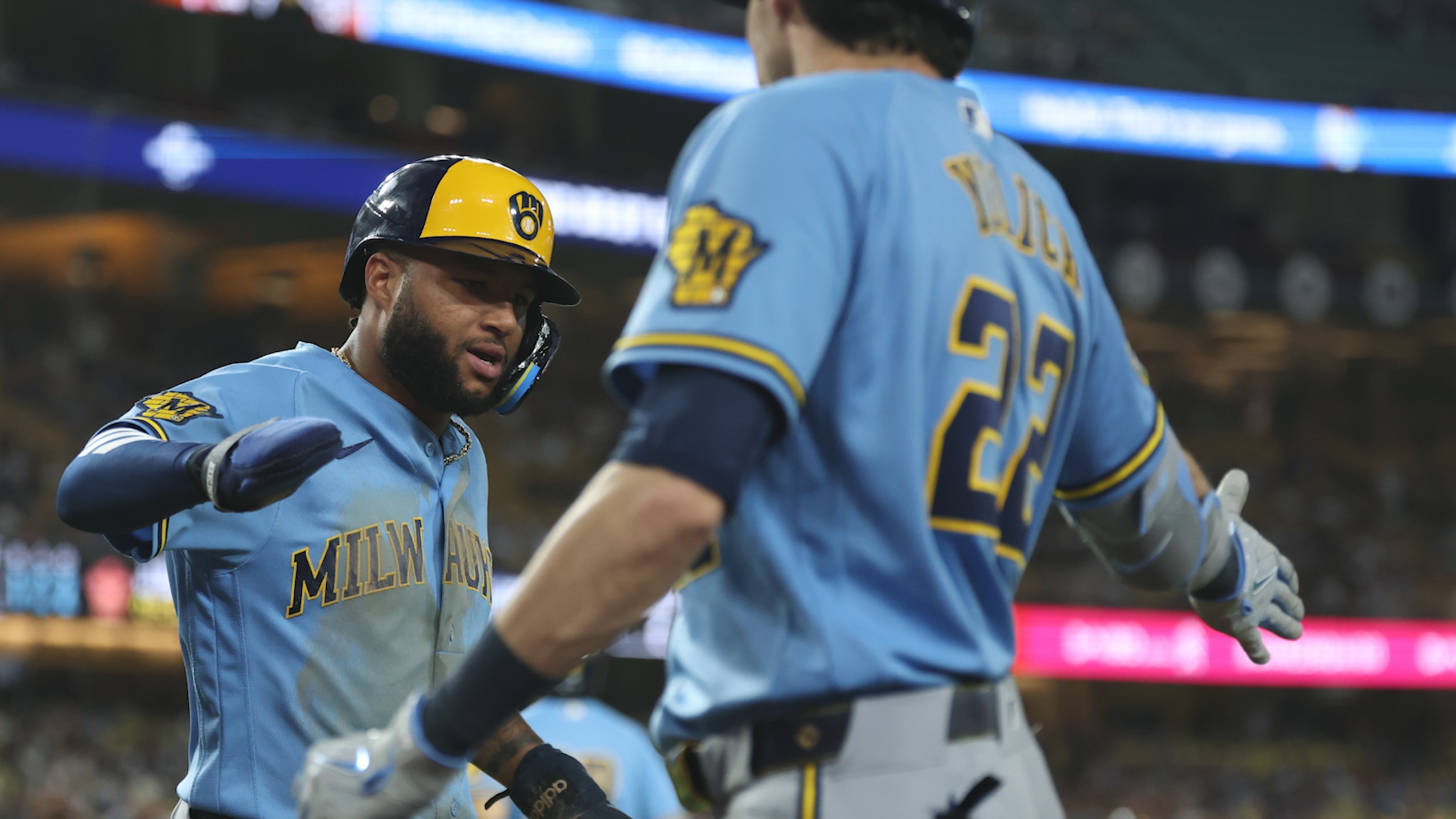
Before the Milwaukee Brewers had even batted in Game 2 of the World Series, they were losing 4-0. Tampa Bay had strung together a ground-ball single, a stolen base, a single by Junior Caminero and a 411-foot homer by Liam Hicks off rookie Logan Henderson. The Brewers won 5-4.
It was the seventh come-from-behind win of Milwaukee’s postseason and the second time in two rounds they had erased a 4-0 deficit. They now lead the series 2-0 heading into Game 3 at Tropicana Field on Monday night. The easy reading is that this team is made of something special, but the more useful question is whether any of it is repeatable.
What the comeback was actually made of
Sal Frelick led off the sixth with a solo homer off Ian Seymour, in a nine-pitch at-bat that tied the game. Rookie Cooper Pratt put Milwaukee ahead in the seventh with an opposite-field single. The Brewers were denied an insurance run in the eighth when Jackson Chourio was called out on a collision at the plate, and they needed Aaron Ashby to survive a tense ninth after Jonny DeLuca doubled with the tying run 90 feet away.
Ashby has now gone 15 and two-thirds scoreless innings this postseason. The bullpen as a whole threw six scoreless innings after Henderson left.
Strip away the drama and Milwaukee’s comeback was two things. A lineup took one good swing at a time, and the relievers refused to give any of the runs back. A lineup can only chip away if the other side stops scoring, which makes it as much a pitching story as a hitting one.
The numbers that look too good
The Brewers won 103 games this year, the most in baseball. They swept the Dodgers in the NLCS, and in the clinching Game 4 they scored six unanswered runs to win 6-4. Jake Bauers drove in six runs in the series and was named MVP, and Milwaukee reached its first World Series since 1982.
Then there’s the stat that sounds like a typo. The Brewers are 41-37 this year when the other team scores first. That sounds ordinary until you learn that, outside the pandemic-shortened 2020 season, the last team to finish above .500 in those games was the 2009 Yankees.
Skill, luck, or both
Baseball analysts have argued for years about whether comebacks are a trait. The broad finding is that late-game heroics don’t carry over reliably from one season to the next, which is a polite way of saying a lot of it is noise.
Bullpens aren’t noise, though. Relievers who throw strikes with the score tight are a roster decision, and Milwaukee’s group held a four-run deficit in place for the rest of the night. Add the simple fact that a 103-win team is better than most of the teams it trails, and a good share of the comeback record starts to look like quality rather than magic.
That doesn’t mean it’s guaranteed to last. A team that wins this way is also a team that keeps living on the edge, and a single bad inning from the bullpen can erase all of it. Game 2 itself ended with the tying run 90 feet away.
The team on the other side knows the trick
Tampa Bay has some experience with late rallies of its own. In the opening series of the season, on March 30, the Rays beat Milwaukee 3-2 when Nick Fortes doubled in the go-ahead run in the ninth inning. The Brewers still took the next two games of that series, but the Rays showed that they could do it too.
The Rays also won 98 games this year, 55 of them at home. They won’t be easy to bury in their own building, and the series is far from over.
Still, no one can say the Brewers haven’t earned the right to be taken seriously when they’re trailing. If the Rays go up 4-0 on Monday, the sensible reaction in Tampa might be to start worrying.

Sarajevo Back at the Heart of Regional MMA: SFC Returns with Explosive Matchups

How Buzzer Karma Works: Levels, Penalties, and What They Mean

Inside Buzzer's Latest Update (and Why It Changes How You Use the App)

Buzzer Introduces Ads Console: A New Era of Advertising Across the Entire Buzzer Ecosystem

Buzzer Is Evolving: From Quantity to Quality

Al Ittihad SC's Matches Are Now Live on Buzzer

Polo Al Taco Expands Its Global Reach Through Weekly Livestreams on Buzzer Arena TV

Buzzer Now Has a Games Hub, and Tournaments Are Coming

Palm City vs Gulf United Ends in 1–1 Draw in UAE Second Division League Clash

"We Don't Take the Guy With the Camera." He Built His Own Club Anyway. Now He's Coming to Find You.


