





 0
Haas Still Hasn't Chosen Its 2027 Drivers. The Real Battle Is Over Who Fits F1's Next Era
Esteban Ocon has three points this season. His teammate Oliver Bearman has 18. And that gap is about to cost Ocon his Formula 1 seat.
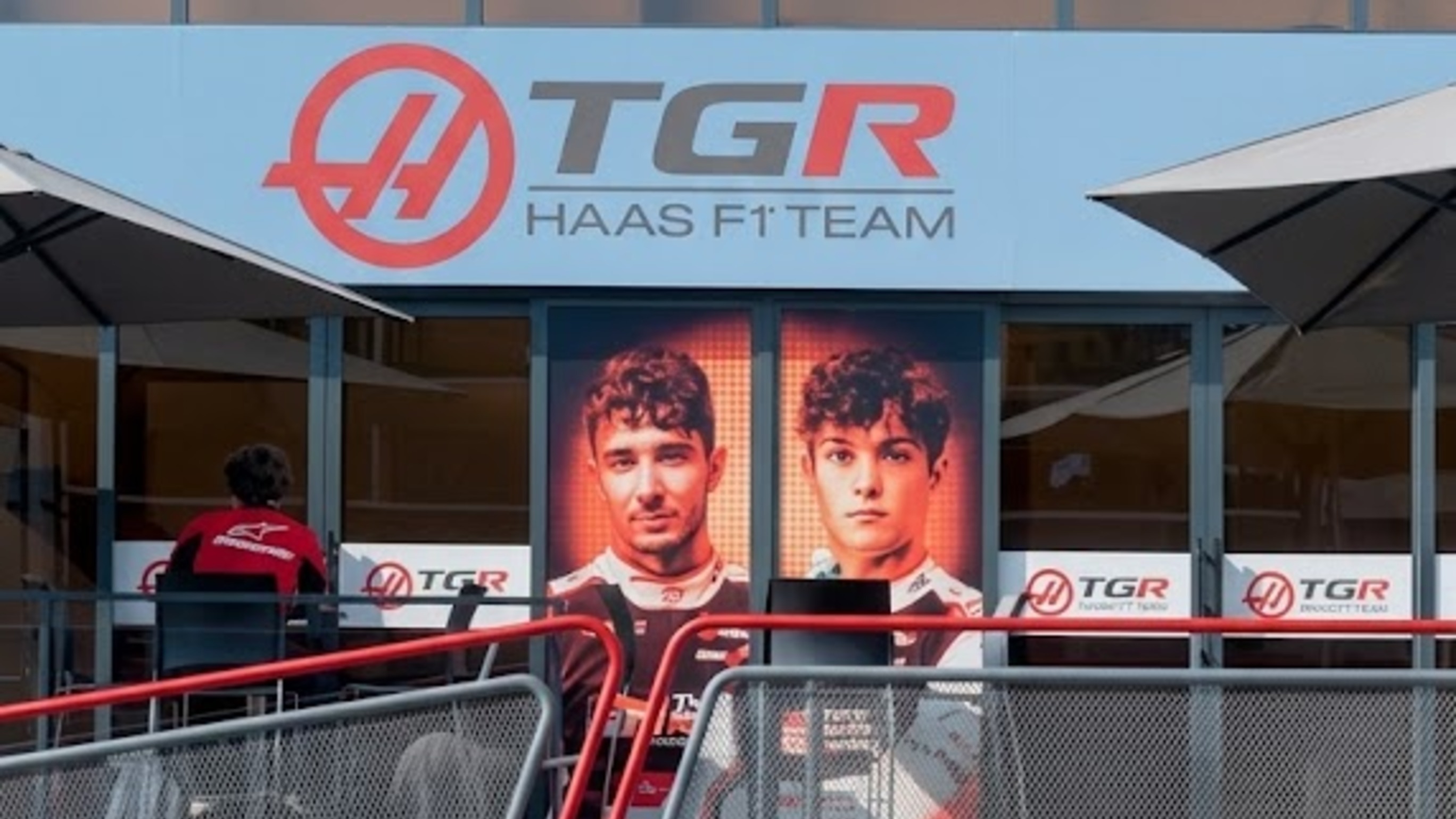
Haas is one of the last teams still without a confirmed 2027 lineup, and the delay isn't really about indecision. It's about what a midfield team actually looks for in a driver once the easy metric, raw results, stops giving a clear answer.
Why Bearman is safe and Ocon isn't
Bearman is a product of the Ferrari academy, a relationship Haas has leaned on for technical support and car development. He's outscored Ocon six times over this season, and team boss Ayao Komatsu has said he's shown what he's capable of repeatedly. That's about as close to a lock as a contract gets without actually being signed.
Ocon's situation is messier. He joined Haas in 2025 on a multi-year deal after leaving Alpine, arriving with a decade of F1 experience and genuine excitement about the team's trajectory. Reports of a falling-out with Komatsu have been denied, and Ocon himself dismissed rumors of an early exit as nonsense heading into the Canadian Grand Prix. But three points against a rookie teammate's 18 is not a story that fixes itself with denials.
The testing tells the real story
Here's where it gets interesting. While Haas insists it isn't rushing the decision, the team has quietly run three separate candidates through Testing of Previous Cars sessions this year. Rafael Camara, the reigning F3 champion and current F2 title contender, tested at Portimao alongside 2025 F2 champion Leonardo Fornaroli. Reserve driver Ryo Hirakawa joined them. A separate test at Fuji gave Toyota-backed drivers Sho Tsuboi and Nirei Fukuzumi a look-in too.
That's not the behavior of a team that's decided anything. That's a team building a shortlist by watching drivers work with actual engineers, adapt to actual car procedures, and handle technical feedback in real time, not just posting quick lap times.
Camara has reportedly impressed Ferrari with exactly that kind of professionalism, which matters more than it sounds. A driver who is fast but can't communicate what the car is doing wastes half his value to an engineering team trying to develop the thing week to week.
What Haas is actually buying
Strip away the driver-market gossip and Haas's approach reveals something about what a midfield team values that a championship contender doesn't have to think about as hard. Red Bull or Ferrari can afford to gamble on raw pace because they have the resources to build a car around almost anyone quick. Haas can't. Every driver decision doubles as a development decision, because the team needs clear, usable feedback from the cockpit to close the gap on the teams ahead.
Komatsu's insistence that the team isn't in any rush reflects that reality. Bearman has shown what he can do repeatedly, which is coach-speak for reliability. Ocon, when happy with the car, can produce results too, which is coach-speak for something Haas hasn't been able to count on consistently enough this season.
When a team is choosing between two drivers with a wide results gap, should raw scoring always be the deciding factor, or is there a real case for picking the driver who communicates best with the engineers building next year's car?

Sarajevo Back at the Heart of Regional MMA: SFC Returns with Explosive Matchups

How Buzzer Karma Works: Levels, Penalties, and What They Mean

Inside Buzzer's Latest Update (and Why It Changes How You Use the App)

Buzzer Introduces Ads Console: A New Era of Advertising Across the Entire Buzzer Ecosystem

Buzzer Is Evolving: From Quantity to Quality

Buzzer Now Has a Games Hub, and Tournaments Are Coming

Al Ittihad SC's Matches Are Now Live on Buzzer

Palm City vs Gulf United Ends in 1–1 Draw in UAE Second Division League Clash

"We Don't Take the Guy With the Camera." He Built His Own Club Anyway. Now He's Coming to Find You.

Building the Infrastructure Sports Tech Forgot


