





 0
The Laver Cup Starts Today. Why Does Tennis Keep Inventing Team Events Around Individual Stars?
Tennis is built entirely around the individual. One player, one racket, one name on the trophy. So why does the sport keep inventing ways to make its biggest stars play for a team instead?
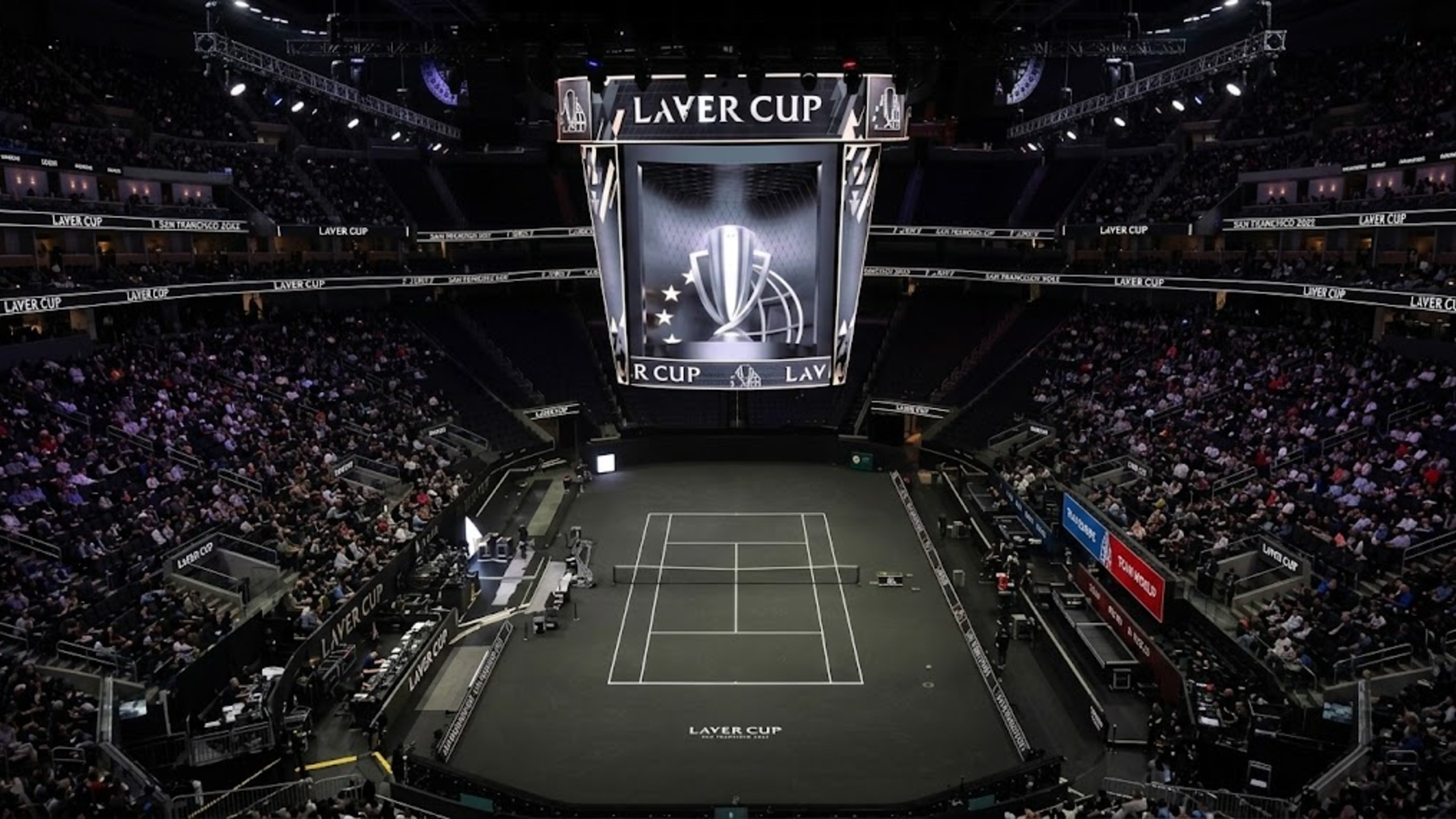
The Laver Cup returns to The O2 in London this weekend, its ninth edition, pitting six of Europe's best against six from the rest of the world in an event that shouldn't really work for a sport this fundamentally solo. And yet it keeps selling out arenas.
A format that borrows from everyone else
World No.1 Carlos Alcaraz leads Team Europe alongside Alexander Zverev, the competition's all-time leading points scorer with a 9-7 overall record heading into this edition.
Team World counters with Taylor Fritz and Alex de Minaur, the pair who combined to hand Europe its first Laver Cup defeat of Zverev's career last year in San Francisco. Team Europe still leads the head-to-head series 5-3, and London itself carries history, this is the second time the event has returned to the same venue, after hosting Roger Federer's emotional retirement here in 2022.
None of that format, captains picking teams, players competing for points rather than prize money, existed in tennis before 2017. It's an invention, deliberately borrowed from golf and long-running Davis Cup traditions, built specifically to manufacture something the ATP and WTA tours can't produce on their own: shared identity, temporary alliances, players cheering for teammates they spend the rest of the year trying to beat.
Why manufactured team spirit actually works
The appeal isn't subtle once you watch it play out. Alcaraz has talked about the strange thrill of being teammates with players he's normally fighting against all season, a novelty that doesn't wear off even for a world number one who's played the event multiple times. Zverev, the competition's most decorated veteran, still describes the team atmosphere and intensity as unlike anything else he plays all year, which is a real endorsement from someone who's experienced both a Grand Slam final and this format.
That's the trick. Tennis players spend eleven months a year as isolated competitors, each one solely responsible for their own result, with no teammates to share the credit or the blame. The Laver Cup offers something genuinely rare within that structure: a locker room, a shared goal, a result that depends on somebody else's performance too.
What it says about individual sports generally
Tennis isn't alone in reaching for this. Golf has the Ryder Cup and Presidents Cup. Athletics has flirted with team-based formats built explicitly to feel more like a shared competition than a series of individual heats. The pattern across individual sports suggests something fans and even the players themselves seem to want but rarely get: the emotional stakes of a team competing together, layered on top of sports that are structurally built around isolated achievement.
Judging by ticket sales and player enthusiasm nine years in, that bet has paid off. Whether tennis needs an entire second identity built around team spirit, or whether it's just found a clever way to sell the same players one more time in one more format, depends on whether you think the sport was missing something all along.
If an individual sport keeps inventing team formats that fans clearly enjoy, is it filling a genuine gap in what the sport offers, or just repackaging the same stars to squeeze one more event out of an already crowded calendar?

Sarajevo Back at the Heart of Regional MMA: SFC Returns with Explosive Matchups

How Buzzer Karma Works: Levels, Penalties, and What They Mean

Inside Buzzer's Latest Update (and Why It Changes How You Use the App)

Buzzer Introduces Ads Console: A New Era of Advertising Across the Entire Buzzer Ecosystem

Buzzer Is Evolving: From Quantity to Quality

Buzzer Now Has a Games Hub, and Tournaments Are Coming

Al Ittihad SC's Matches Are Now Live on Buzzer

Palm City vs Gulf United Ends in 1–1 Draw in UAE Second Division League Clash

"We Don't Take the Guy With the Camera." He Built His Own Club Anyway. Now He's Coming to Find You.

Building the Infrastructure Sports Tech Forgot


