





 0

Why Do Elite Distance Runners Often Improve Gradually Rather Than Break Records Every Season?
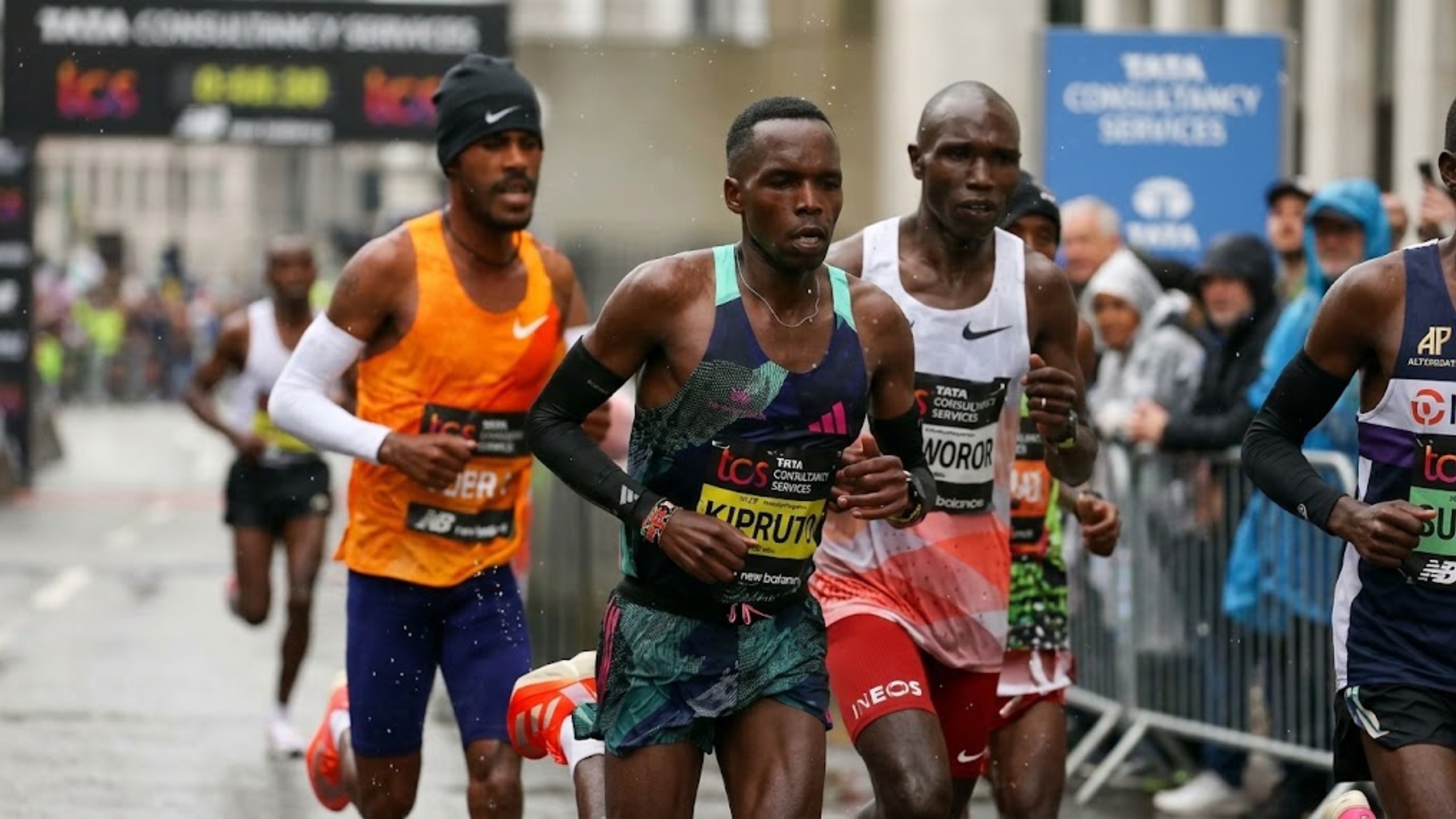
Amos Kipruto was third at the Chicago Marathon in 2024. He was second in 2025. On October 11, he won it.
His time, 2:01:09, was a personal best, the second-fastest ever run in Chicago behind Kelvin Kiptum’s 2:00:35. It also put him level with Eliud Kipchoge on the all-time list. He’s 34. That’s not the profile of a runner who arrived overnight. It’s the profile of someone who spent three years moving one step up a podium.
A race that rewarded patience
The men’s race came down to a duel. Kipruto and defending champion Jacob Kiplimo reached halfway together in 1:00:21, and at mile 20 they were separated by a single second. Then Kipruto pulled away and won by one minute and 47 seconds over Ethiopia’s Tadese Bikila, who ran 2:02:56. Kiplimo faded to fourth in 2:04:18.
A fast pace made it a good day for runners who could hold their rhythm. The race had six pacers, and a leading group of six stayed within a second of each other through 15 kilometers. By the end, the runner who had been closest to the top for two years was the one who was strongest.
The women’s race had its own version. Hawi Feysa, the defending champion, ran 2:13:33 to win again, a personal best that was one minute and 24 seconds faster than her winning time from 2025. Sharon Lokedi was second in 2:14:07.
The slow arithmetic of marathon fitness
It’s tempting to look for a single explanation for a leap like that, such as a new training block or a changed diet. Coaches generally describe something more boring, which is that endurance accumulates. Aerobic capacity builds over months and years of consistent training, and the benefit of one good season tends to show up in the next.
That’s why a runner’s best year often follows several unspectacular ones. The progress is real but small, and it’s hard to see until the cumulative effect crosses a threshold. Injury-free stretches matter as much as hard sessions, because a lost month can erase months of work.
There’s also the matter of learning the event. A marathon takes a long time to learn. Pacing, fueling and judging when to move are skills that improve with each race, and a runner who has been close in two previous editions has information a first-timer doesn’t.
A flat year isn’t a failure
Fans and sponsors tend to expect steady improvement, with each season faster than the last. That’s not how bodies work. Even the best marathoners have years when a hamstring problem, a hard training camp or a poor race leaves them slower.
Kipruto’s results show why that matters. A runner who finished second in 2025 might have looked, from the outside, like someone whose peak had passed. Instead, the next year produced the best race of his career. If someone had judged him by the standards of a single season, they’d have been wrong.
It’s worth noticing that the numbers around him are still close. He’s a fraction behind the fastest times ever run. Gaps that small can disappear after a good day, or open up after a bad one, which is what makes marathon fitness so hard to predict.
What to do with that
For fans, the practical lesson is to be patient with athletes who don’t improve in a straight line. A runner who’s third, then second, then first is following a normal path, and the cumulative result can be better than a flashy start.
For federations and sponsors, it’s an argument for stable support. Athletes who are allowed to build over several years have a better chance of producing a breakthrough than those who are dropped after one flat season.
If records come from stacking seasons rather than sudden jumps, should federations and sponsors stop treating a flat year as a warning sign?

Sarajevo Back at the Heart of Regional MMA: SFC Returns with Explosive Matchups

How Buzzer Karma Works: Levels, Penalties, and What They Mean

Inside Buzzer's Latest Update (and Why It Changes How You Use the App)

Buzzer Introduces Ads Console: A New Era of Advertising Across the Entire Buzzer Ecosystem

Buzzer Is Evolving: From Quantity to Quality

Polo Al Taco Expands Its Global Reach Through Weekly Livestreams on Buzzer Arena TV

Buzzer Now Has a Games Hub, and Tournaments Are Coming

Al Ittihad SC's Matches Are Now Live on Buzzer

Palm City vs Gulf United Ends in 1–1 Draw in UAE Second Division League Clash

"We Don't Take the Guy With the Camera." He Built His Own Club Anyway. Now He's Coming to Find You.


