





 0

Rwanda Is Getting Formula 1. What Must a Country Prove Before It Hosts a Grand Prix?
Formula 1 hasn’t raced in Africa since 1993. On October 13, it confirmed it will again, with a 10-year deal for a Formula 1 African Grand Prix in Rwanda from the early 2030s.
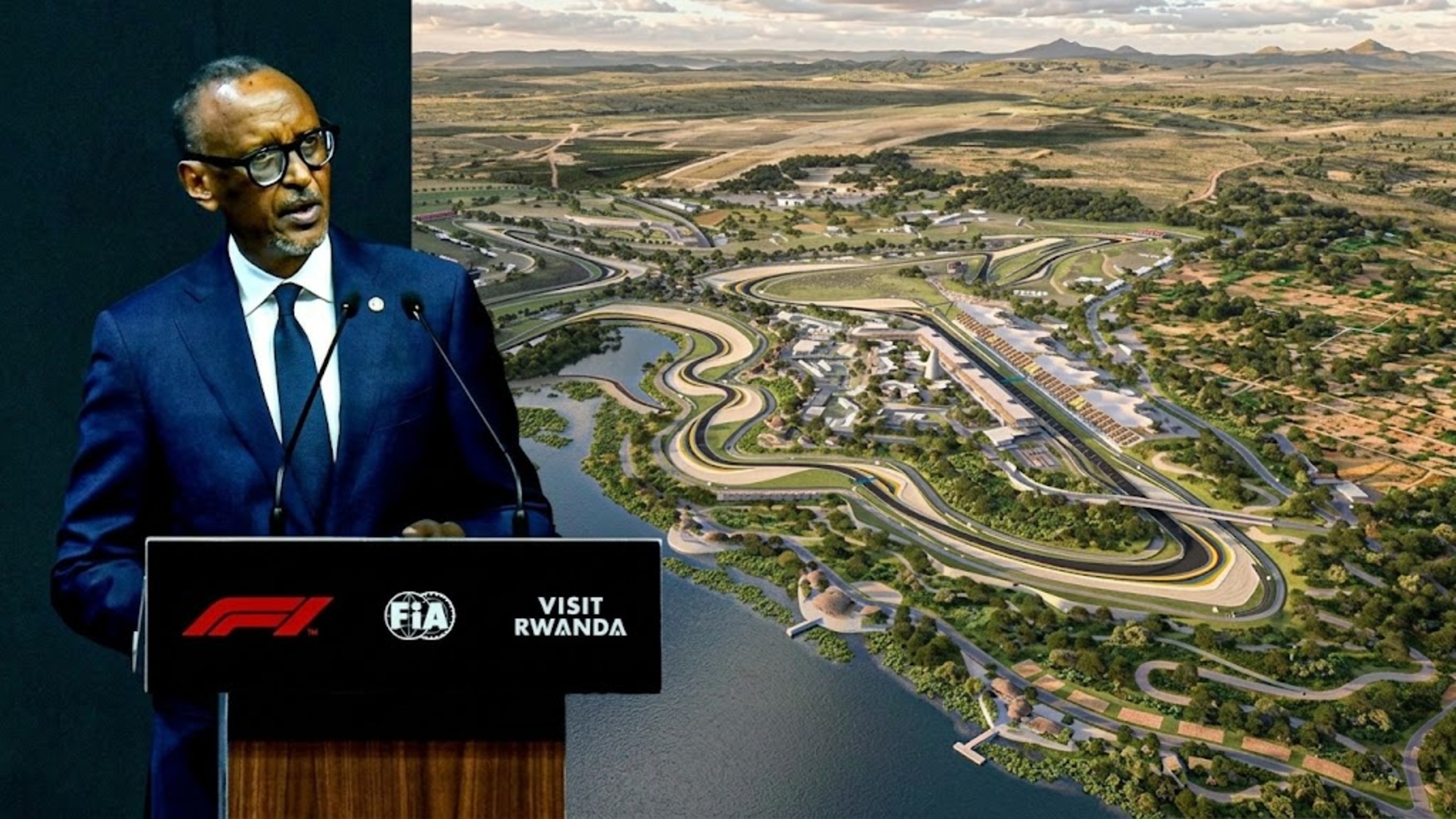
There’s a caveat in that sentence, and it’s the interesting part. The race will happen once a purpose-built circuit near Kigali is finished, and the circuit doesn’t exist yet. The agreement is signed. The track isn’t. That gap, between a signed deal and a working Grand Prix, is what every new host has to cross.
What’s actually been agreed
The circuit will be built in Bugesera, about 40 kilometers south of Kigali, next to the new Kigali International Airport, which is due to open in early 2028. It’s being developed to FIA Grade 1 standards, the highest rating a circuit can hold. Reports put the lap at more than six kilometers with 17 corners.
Alex Wurz, the former F1 driver, said the site’s hills and lake had done a lot of the design work already. Tilke, the company behind most modern F1 venues, is also involved.
Formula 1’s president and CEO, Stefano Domenicali, called it a landmark moment and said the sport would race on every inhabited continent from the next decade. Rwanda’s president, Paul Kagame, was at the announcement, along with FIA president Mohammed Ben Sulayem.
Why a signature isn’t a Grand Prix
What’s missing is a date. Formula 1 hasn’t named a first race or said where it will sit on the calendar. Some reports suggested Rwanda had been aiming for 2029, earlier than the official wording, and F1 hasn’t confirmed that.
So what does a country have to prove? Money, first. A track like this is part of a wider tourism and infrastructure project led by the Rwanda Development Board, which means the circuit’s success is tied to the airport, the roads and the visitors that arrive on them. The deal also depends on sustained government commitment over a decade.
Then there’s demand. Domenicali said Africa has more than 100 million F1 fans. That’s his claim, and it’s a plausible one, but no race calendar ever sold itself on a single statistic.
Rwanda also isn’t the only bidder. South Africa has been pursuing two routes, an upgrade of Kyalami and a privately backed R6.7 billion proposal for a new circuit in the Western Cape. Talks with F1 about Kyalami and Cape Town in recent years didn’t produce a deal, which makes the signed agreement in Kigali stand out all the more.
The history Africa brings with it
Only two African countries have hosted a World Championship round. Morocco did it in 1958, in the season finale, and South Africa did it most famously at Kyalami until 1993. Rwanda would be the third.
Lewis Hamilton has been the loudest voice for an African race. Last week in Singapore he repeated that the sport needs a Grand Prix there. Having a seven-time champion say it every few months does more for the project than any press release.
There’s a critical line too. Rwanda has previously been accused of sportswashing, and coverage of the announcement noted it. Rwandan officials argue the Grand Prix is an investment in the country’s future. Those two views will sit side by side for as long as the project does.
None of that makes the deal less real. It does mean the next few years matter more than the ceremony. Planning permission, financing and construction milestones will say more about whether this race happens than any announcement. The simplest test is the oldest one. Rwanda should get credit for the signature, and it should get judged on the circuit.
Should Formula 1 hand out long-term deals before a track exists, which gives new countries a clear target to build toward, or should it wait until the first concrete is poured?

Sarajevo Back at the Heart of Regional MMA: SFC Returns with Explosive Matchups

How Buzzer Karma Works: Levels, Penalties, and What They Mean

Inside Buzzer's Latest Update (and Why It Changes How You Use the App)

Buzzer Introduces Ads Console: A New Era of Advertising Across the Entire Buzzer Ecosystem

Buzzer Is Evolving: From Quantity to Quality

Polo Al Taco Expands Its Global Reach Through Weekly Livestreams on Buzzer Arena TV

Buzzer Now Has a Games Hub, and Tournaments Are Coming

Al Ittihad SC's Matches Are Now Live on Buzzer

Palm City vs Gulf United Ends in 1–1 Draw in UAE Second Division League Clash

"We Don't Take the Guy With the Camera." He Built His Own Club Anyway. Now He's Coming to Find You.


