





 1
Formula 1 Is Coming to Madrid. Can a New Circuit Actually Change the Spanish Grand Prix?
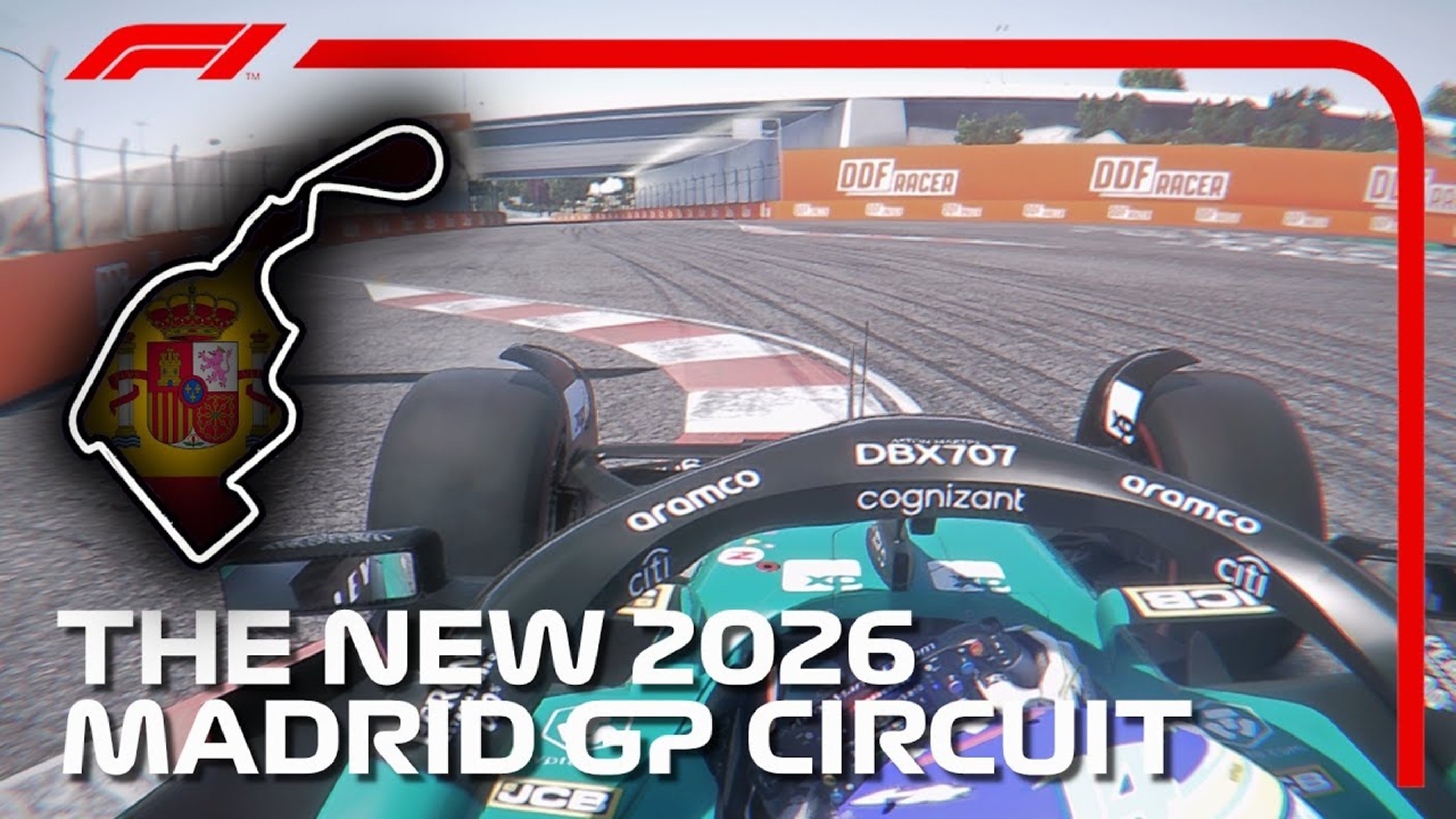
For 35 years, the Spanish Grand Prix meant Barcelona, but this week, that ends. Formula 1 arrives at a brand-new circuit in Madrid called the Madring, and for the first time in a generation, nobody in the paddock has any real data on how to race there.
That's not a minor scheduling change. It's F1 deliberately trading a track everyone knows for one nobody does, on a ten-year contract running through 2035.
A hybrid track unlike anything else on the calendar
The Madring is built around the IFEMA exhibition centre in Madrid's Barajas district, blending public roads with purpose-built sections in a format similar to Miami's street-hybrid approach. It runs 5.416 kilometers with 22 corners, split into two zones separated by an elevated motorway, complete with two tunnel sections. Sunday's race covers 57 laps.
Teams have exactly zero prior laps of meaningful data to build strategy around, which puts an unusual premium on Friday practice. Pirelli has nominated its C2, C3 and C4 compounds as Hard, Medium and Soft respectively, and the circuit ranks among the most physically demanding on the calendar for tire loading, comparable to Barcelona and Silverstone despite looking nothing like either on paper.
Why F1 walked away from Barcelona at all
Barcelona's Circuit de Catalunya has hosted the race since 1991 and is beloved by engineers precisely because its variety of corners makes it a useful pre-season testing venue. But F1 has been moving aggressively toward city-centre, high-capacity venues that maximize both ticket revenue and television spectacle, and Madrid offered both at a scale Barcelona's older infrastructure couldn't match.
The new venue is designed for a daily capacity that could eventually reach 140,000, positioning it among the largest race weekends on the calendar. It sits minutes from Madrid's main airport with the vast majority of fans expected to arrive by public transport, a deliberate contrast to circuits that require long drives through rural roads.
The last time F1 raced near Madrid
This isn't completely unfamiliar territory. Jarama, roughly 30 kilometers north of the city, hosted nine editions of the Spanish Grand Prix between 1968 and 1981, producing famously tight, low-overtaking races that rewarded defensive driving over raw pace. The Madring shares none of that track's layout, but it does mark F1's actual return to the Madrid region after 45 years away.
What this weekend actually decides
A circuit debut with no historical data tends to produce either a genuinely unpredictable, thrilling race, or a procession while teams play it safe with unfamiliar tire and braking demands. Which one Madrid becomes will shape whether F1's bet on trading a proven, respected track for a flashier, bigger one actually pays off competitively, not just commercially.
Barcelona's contract could still continue alongside Madrid's, according to F1 leadership. If both survive, does Spain even need two Grands Prix, or is this really just F1 easing Barcelona out the back door?

Sarajevo Back at the Heart of Regional MMA: SFC Returns with Explosive Matchups

How Buzzer Karma Works: Levels, Penalties, and What They Mean

Inside Buzzer's Latest Update (and Why It Changes How You Use the App)

Buzzer Introduces Ads Console: A New Era of Advertising Across the Entire Buzzer Ecosystem

Buzzer Is Evolving: From Quantity to Quality

Buzzer Now Has a Games Hub, and Tournaments Are Coming

Al Ittihad SC's Matches Are Now Live on Buzzer

Palm City vs Gulf United Ends in 1–1 Draw in UAE Second Division League Clash

"We Don't Take the Guy With the Camera." He Built His Own Club Anyway. Now He's Coming to Find You.

Building the Infrastructure Sports Tech Forgot


 1


