





 0

Judo Scoring Explained: Ippon, Waza-ari and Three Shidos
In judo, a match ends the moment someone scores an ippon, and two waza-ari add up to one. Three shidos cost a competitor the match, and nearly 500 young judoka put those rules to work in Sarajevo on 5 April.
The cup that filled a sports hall
The 34th International Judo Cup "Vinko Šamarlić" was held on 5 April at the Goran Čengić Sports Hall in Sarajevo. According to Buzzer, nearly 500 young athletes from six countries and 44 clubs took part.
The cup is named after Vinko Šamarlić, an athlete who was set to compete at the Olympics but chose to defend his country instead. His family attended the opening ceremony, where Omer Osmanović and Samir Avdić addressed the competitors.
Judo Club Braća Lukač finished first overall, defending their title. Judo Club Olimpic was second and Judo Club Travnik third. The report says the categories ran from the youngest age groups to more advanced competitors, but it does not give individual results, medal counts or a list of categories, so those stay out here.
Ippon: the match is over
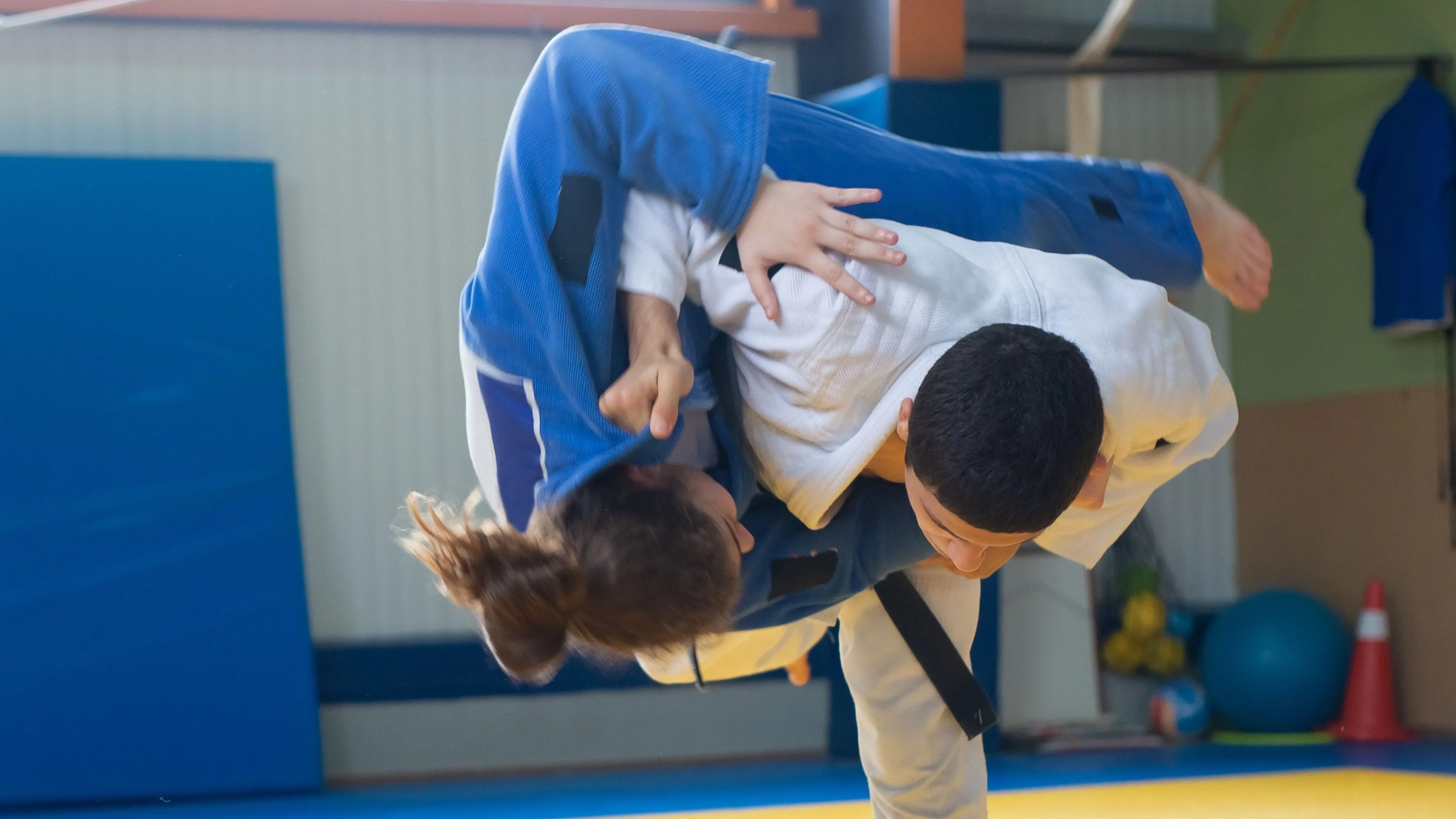
Ippon ends the match on the spot, and there are four ways to earn one, according to NBC Olympics' judo guide. A throw that puts an opponent on their back with force, speed and control counts. So does a 20-second pin, a choke that forces a tap-out or loss of consciousness, or an armlock on the elbow that forces a tap-out or risks dislocation.
The three qualities in a throw, force, speed and control, are the key. Miss one of them and the throw is worth less.
Waza-ari: nearly, but not quite
Waza-ari is the next score down. It goes to a throw that lacks one of the three ippon qualities, or to a pin that lasts 10 to 19 seconds. Two waza-ari equal an ippon and end the match.
That makes a waza-ari a half-way mark. A judoka who gets one is in front. A judoka who gets a second has won.
Shido: the penalty that adds up
Shidos are for minor infractions, such as not attacking enough or stepping out of bounds. The first two are warnings. The third becomes a hansoku-make, which ends the match, so three shidos cost a competitor the match.
Hansoku-make is also the penalty for a serious infraction, such as deliberately trying to injure an opponent. In that case the offender is disqualified immediately, and there is no count of three.
When the score is level
Regulation time is four minutes, according to NBC Olympics. If the score is tied at the end, the clock resets and the first judoka to score an ippon or waza-ari wins. That is called golden score, and it has no time limit. Shidos carry over, so a third shido still ends the match.
So a golden score can come down to one throw, a pin or a penalty. There is no second chance and no clock to run down, which is why those minutes feel so long to anyone watching.
The guide describes senior rules. Youth competitions can differ, so the match length at the Sarajevo cup may not have been four minutes. Buzzer's report does not say.
Putting it together
Here is how the rules work in practice. Say a judoka scores a waza-ari early. Now they are in front, and one more throw of the same quality ends the match. The other judoka cannot sit back, because a passive judoka collects shidos for not attacking enough. Two warnings, then a third that costs the match. The rules push both people to attack.
Judo in Sarajevo
The cup was also a Buzzer event. The whole tournament was streamed live through Buzzer's partnership with the organisers. You can read the report on the Šamarlić cup and find other live events on Buzzer Arena TV.
Buzzer's report says future editions may add junior categories. If you are watching your first match, remember the three numbers: one ippon, two waza-ari, three shidos.
Cover photo by Kampus Production.

Sarajevo Back at the Heart of Regional MMA: SFC Returns with Explosive Matchups

How Buzzer Karma Works: Levels, Penalties, and What They Mean

Inside Buzzer's Latest Update (and Why It Changes How You Use the App)

Buzzer Introduces Ads Console: A New Era of Advertising Across the Entire Buzzer Ecosystem

Buzzer Is Evolving: From Quantity to Quality

Al Ittihad SC's Matches Are Now Live on Buzzer

Polo Al Taco Expands Its Global Reach Through Weekly Livestreams on Buzzer Arena TV

Buzzer Now Has a Games Hub, and Tournaments Are Coming

Palm City vs Gulf United Ends in 1–1 Draw in UAE Second Division League Clash

"We Don't Take the Guy With the Camera." He Built His Own Club Anyway. Now He's Coming to Find You.


