





 0

Yamaha Won’t Race in Qatar. So Who Actually Decides When a Grand Prix Is Too Risky?
MotoGP spent months telling its riders, teams and manufacturers that the Qatar Grand Prix was safe to stage. Then one company’s travel policy overruled all of that in a single press statement.
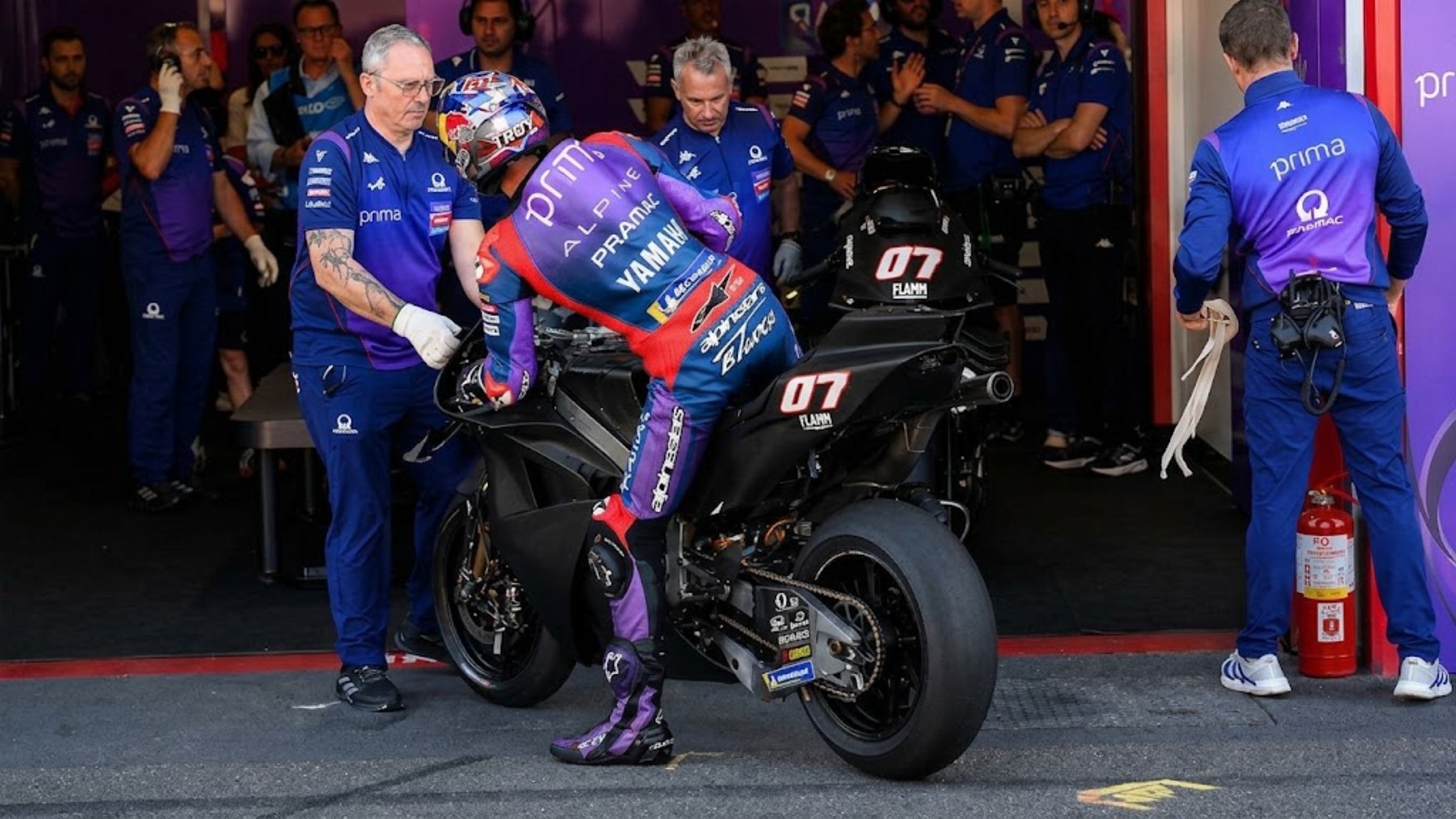
Yamaha confirmed on Sunday 1 November, shortly after the Malaysian Grand Prix, that neither its factory team nor its Pramac satellite squad will travel to Lusail. That removes four bikes from a grid that was already arguing about whether to turn up at all.
A race that never stopped being a problem
The Qatar round was meant to happen in April. The conflict in the Middle East pushed it to 6 to 8 November, where it became the third leg of a triple-header after Australia and Malaysia, and the knock-on effect shoved the Portuguese Grand Prix and the Valencia finale back as well. Most of the paddock has spent the weeks since asking whether the new date was any safer than the old one.
MotoGP’s answer was yes, and it never really moved off that line. The commercial rights holder said the current instability wasn’t enough to cancel the race and kept offering assurances on safety and evacuation. Riders weren’t buying it. Reports put roughly two-thirds of the grid against racing there, and several outlets said a letter signed by most of them reached MotoGP on Sunday morning.
The insurance clause that beat the safety briefing
This is where it gets awkward. Japan’s government advises against all but essential travel to Qatar, and according to The Race, that kind of warning normally voids travel insurance and blocks corporate travel. Yamaha is a Japanese company. Its statement said it saw no sufficient grounds to change its company-wide travel restrictions and that the decision was independent of anything MotoGP or the event organiser had put in place.
MotoGP can’t simply cancel in response, either. Autosport reported that a travel advisory isn’t an outright ban, which means it doesn’t count as force majeure and doesn’t let the promoter walk away from its Qatar contract without financial consequences. So the promoter is stuck with the race, the manufacturer is stuck with its policy, and the riders are stuck in the middle.
MotoGP called itself disappointed, said Yamaha’s absence carries contractual and sporting implications, and left any sporting punishment to the FIM. Speedweek reported that Yamaha is prepared to accept the contractual penalties. Aprilia and Ducati, according to The Race, still plan to travel.
Even Yamaha’s own riders disagreed
The most awkward detail belongs to Fabio Quartararo. Before the statement landed, he had said he would race in Qatar and argued that MotoGP should go if Formula 1 does, since F1 is due there at the end of November. Jack Miller, who rides for Pramac, was blunter. He raged at MotoGP for pushing on and warned that it hadn’t hidden its willingness to make an example of anyone who refused.
So Yamaha’s riders were reportedly ready to go, and the decision sailed over their heads to a policy written long before this weekend. Nobody in this saga got to make the call they thought they were making.
The question the rulebook doesn’t answer
Who decides when a race is too risky? Honestly, nobody, and that’s the problem. The promoter decides what it will stage, governments decide what they advise, and companies decide where their people go. The rider, the person with the most to lose, sits at the bottom of that stack with a vote that, as this week showed, doesn’t count for much.
There’s a sporting wrinkle too. Marc Marquez leads Jorge Martin by 44 points and gets his first mathematical chance to clinch the title in Qatar. A championship that could be decided at a venue half its manufacturers have doubts about is exactly the scenario a pre-agreed rule should have covered. Without one, every future flashpoint gets settled in the final week, by lawyers, with the grid already at the airport.
If a manufacturer can pull four bikes on the strength of a company travel policy, should MotoGP be allowed to schedule races where that policy could bite, or should the policy bend to fit the calendar?
Editor’s note: Written Monday 2 November. MotoGP says the Qatar GP (6 to 8 November) will go ahead, and any sanctions on Yamaha are undecided.

Sarajevo Back at the Heart of Regional MMA: SFC Returns with Explosive Matchups

How Buzzer Karma Works: Levels, Penalties, and What They Mean

Inside Buzzer's Latest Update (and Why It Changes How You Use the App)

Buzzer Introduces Ads Console: A New Era of Advertising Across the Entire Buzzer Ecosystem

Buzzer Is Evolving: From Quantity to Quality

Al Ittihad SC's Matches Are Now Live on Buzzer

Polo Al Taco Expands Its Global Reach Through Weekly Livestreams on Buzzer Arena TV

Buzzer Now Has a Games Hub, and Tournaments Are Coming

Palm City vs Gulf United Ends in 1–1 Draw in UAE Second Division League Clash

"We Don't Take the Guy With the Camera." He Built His Own Club Anyway. Now He's Coming to Find You.


