





 1

Cristiano Ronaldo's Portugal Absence Is Raising Questions About The Player-Coach Relationship
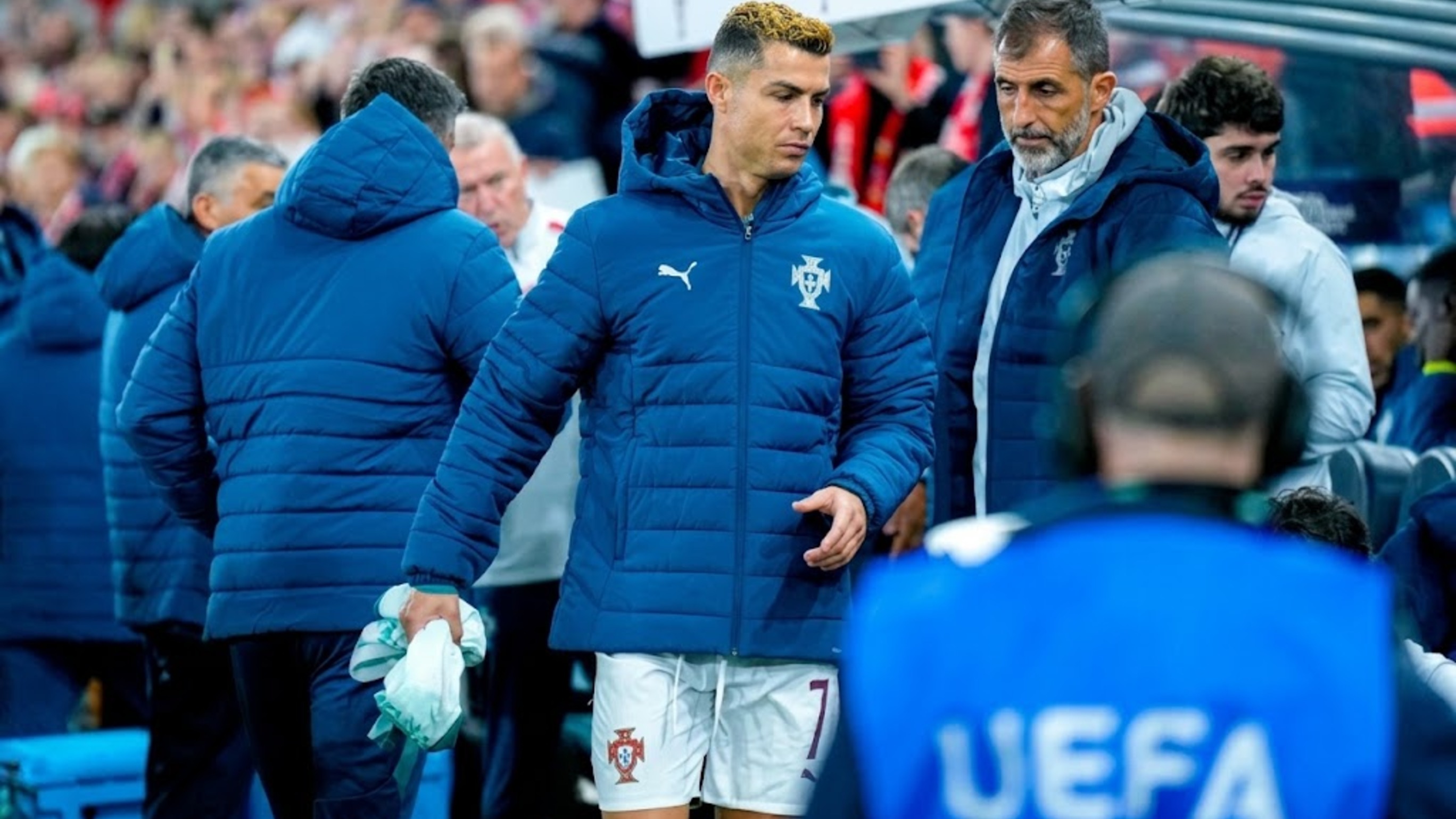
Cristiano Ronaldo trained in the gym on Monday and Tuesday, watched Portugal beat Norway from the bench without getting on, and on Wednesday posted a message saying he was leaving the national team camp. For a 41-year-old who is Portugal's most-capped player, with 234 appearances, that's a lot of movement in three days.
I won't guess at what was said behind closed doors, because nobody outside the camp knows, and Ronaldo has only said he'll explain his reasons "in time." The public record is enough to raise a bigger question. How should a coach and a legend share authority when one of them is closer to the end than the other?
What's actually on the record
Jorge Jesus became Portugal's coach after the team lost to Spain, the eventual World Cup champion, in the Round of 16. Yahoo Sports reports he replaced Roberto Martinez four days after that exit. Jesus knew his captain well, having coached Ronaldo at Al Nassr last season, when the pair won the Saudi Pro League title.
Ronaldo started the Nations League opener against Wales, a 1-0 win, and was taken off in the 67th minute. Against Norway, Jesus had said he'd use Ronaldo at some stage, and the game finished 2-1 with the captain unused. Reports say he then trained in the gym rather than with the squad on Monday and Tuesday despite carrying no injury.
Before the Denmark game, Jesus told reporters Ronaldo wouldn't start. After that press conference and a conversation with the federation's president, Pedro Proenca, Ronaldo announced his departure on Instagram and wished his teammates good luck. Jesus said there had been no incident.
The coach's case
Start with the argument for Jesus, because it's a strong one. A coach picks the team, and his record so far is perfect: wins over Wales and Norway left Portugal top of its Nations League group with a clean start. Jesus put it bluntly in his press conference, saying he can promise whatever he wants because he's the coach.
Still, a manager who starts his tenure by showing he'll bench the biggest name in the sport is sending a message to everyone else in the dressing room. That message has value, even if the delivery was rough.
The player's case
Now flip it. Ronaldo has scored 146 goals for Portugal, a men's international record, and is chasing 1,000 career goals. A player who measures his career in milestones doesn't see a 67th-minute substitution the way a coach sees a tactical choice.
What bothers me most isn't the benching. It's the gap between what was said and what happened. Jesus had said before the Norway game that he planned to use Ronaldo. When that promise went unfulfilled, the problem stopped being about minutes and became about trust.
That's the part coaches of ageing stars tend to underestimate. Veterans can accept a smaller role, and plenty do. What they struggle to accept is being told one thing and shown another, in front of a stadium and a camera.
The question every national team eventually faces
Federations have a bad habit of treating a legend's decline as a private matter until it becomes a public one. Proenca reportedly changed his plans to fly to Denmark and meet both men before the match, which suggests the federation sees the stakes. A conversation like that works better in August than in the middle of a tournament week.
So here's the debate. When a player has given his country 146 goals, does he earn a different kind of conversation about his role, or should the best coaches treat everyone the same until the day the legend decides to leave?
Editor's note: this story was developing on October 1. Ronaldo said he'd explain his reasons later, so check for updates before publishing.

Sarajevo Back at the Heart of Regional MMA: SFC Returns with Explosive Matchups

How Buzzer Karma Works: Levels, Penalties, and What They Mean

Inside Buzzer's Latest Update (and Why It Changes How You Use the App)

Buzzer Introduces Ads Console: A New Era of Advertising Across the Entire Buzzer Ecosystem

Buzzer Is Evolving: From Quantity to Quality

Polo Al Taco Expands Its Global Reach Through Weekly Livestreams on Buzzer Arena TV

Al Ittihad SC's Matches Are Now Live on Buzzer

Buzzer Now Has a Games Hub, and Tournaments Are Coming

Palm City vs Gulf United Ends in 1–1 Draw in UAE Second Division League Clash

"We Don't Take the Guy With the Camera." He Built His Own Club Anyway. Now He's Coming to Find You.


 1


