





 0

Alexander Zverev Finally Reaches World No. 1, and the Ranking Rewards Something a Trophy Cannot
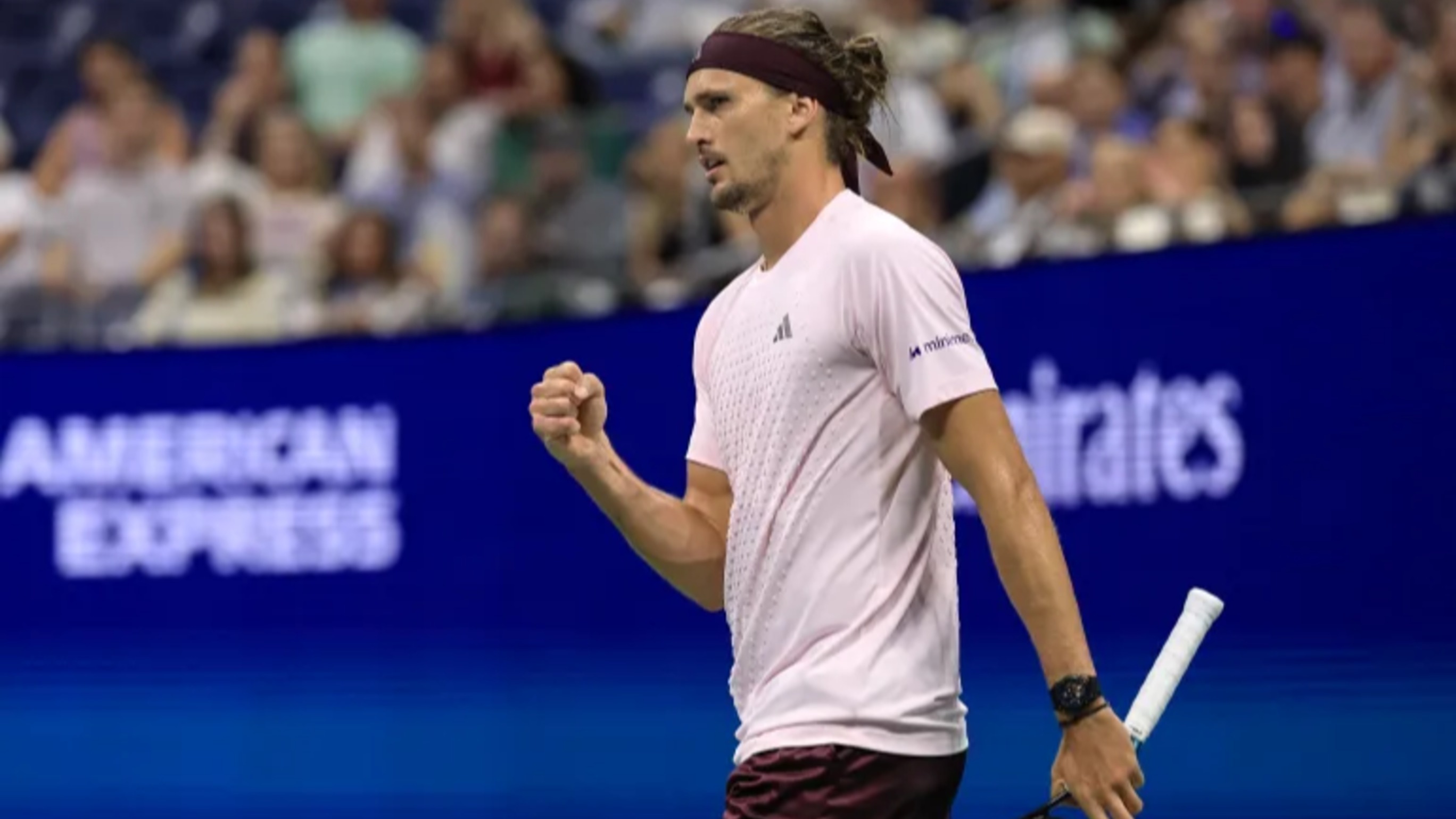
On November 2, Alexander Zverev became the 30th player in ATP Rankings history to reach world No. 1. It capped a 2026 season in which he won his first Grand Slam title at the French Open and added a US Open victory.
For a player who spent years being described as the best man without a major, that is quite a turnaround. Zverev lost the 2020 US Open final from two sets up, then lost the 2024 French Open final to Carlos Alcaraz and the 2025 Australian Open final to Jannik Sinner. The label of near-miss followed him for a long time. And then, in one season, it disappeared.
Two weeks versus fifty-two
The story is interesting because the two achievements measure different things. A Grand Slam rewards a player for being the best across two weeks, with best-of-five-set matches, in front of the sport’s biggest crowds. The world No. 1 ranking rewards him for being excellent across an entire year.
The ATP system counts a player’s best results from the previous 52 weeks, and a Grand Slam title carries 2,000 points. That is a huge chunk, but it is still only one piece of a total built from many tournaments. Players who win a major and then lose early in other events can fall behind rivals who reach finals and semi-finals week after week.
Zverev’s 2026 combined both. A French Open title and a US Open victory supply the peak. The consistent results elsewhere supply the base, and that base is what takes a player from third or fourth in the race to the top of the list.
Zverev has been a regular near the top for years. He reached No. 2 in 2018, won the ATP Finals in 2018 and 2021 and took Olympic gold in Tokyo in 2021. What he lacked was the major, and the ranking never rewarded him fully for the rest.
Which one counts more?
Tennis has argued about this for decades. The headline measure of greatness has usually been Grand Slam titles, and for good reason: the four majors are the events that define careers and shape legacies.
But the weeks-at-No. 1 count tells a different story. Novak Djokovic has spent more than 400 weeks at the top, a figure that reflects relentless year-after-year quality, not just a peak. Staying there requires winning matches in February and October as well as June.
So which should matter more? A fair case exists for each. Majors are the biggest stages, and they test nerve in a way no other tournament can. The ranking rewards durability, health management and the ability to bring top form to week after week of tour stops.
Zverev’s season is a rare example of both arriving in the same year, and it makes the argument harder to settle. A player with peak results and consistency, in the same 12 months, has a claim on both definitions.
An older new number one
Zverev reached the top in his late twenties, which is later than many of the sport’s recent leaders. That context matters. It suggests the route to No. 1 is not always a straight line, and that players who miss early windows can still arrive later through improved fitness, tactics and mental resilience.
It also changes how the near-misses read. Three major final losses were painful at the time. In hindsight, they look like part of the build. Tennis rarely rewards patience as clearly as this. Zverev waited, kept turning up in finals and eventually converted.
The ranking now says what the trophy cabinet already suggested: he was good enough all along, and finally had the year to prove it.

Sarajevo Back at the Heart of Regional MMA: SFC Returns with Explosive Matchups

How Buzzer Karma Works: Levels, Penalties, and What They Mean

Inside Buzzer's Latest Update (and Why It Changes How You Use the App)

Buzzer Introduces Ads Console: A New Era of Advertising Across the Entire Buzzer Ecosystem

Buzzer Is Evolving: From Quantity to Quality

Al Ittihad SC's Matches Are Now Live on Buzzer

Polo Al Taco Expands Its Global Reach Through Weekly Livestreams on Buzzer Arena TV

Buzzer Now Has a Games Hub, and Tournaments Are Coming

Palm City vs Gulf United Ends in 1–1 Draw in UAE Second Division League Clash

"We Don't Take the Guy With the Camera." He Built His Own Club Anyway. Now He's Coming to Find You.


