





 1
The U-20 Women's World Cup Just Produced a 9-0 Scoreline. That's Not About One Bad Team.
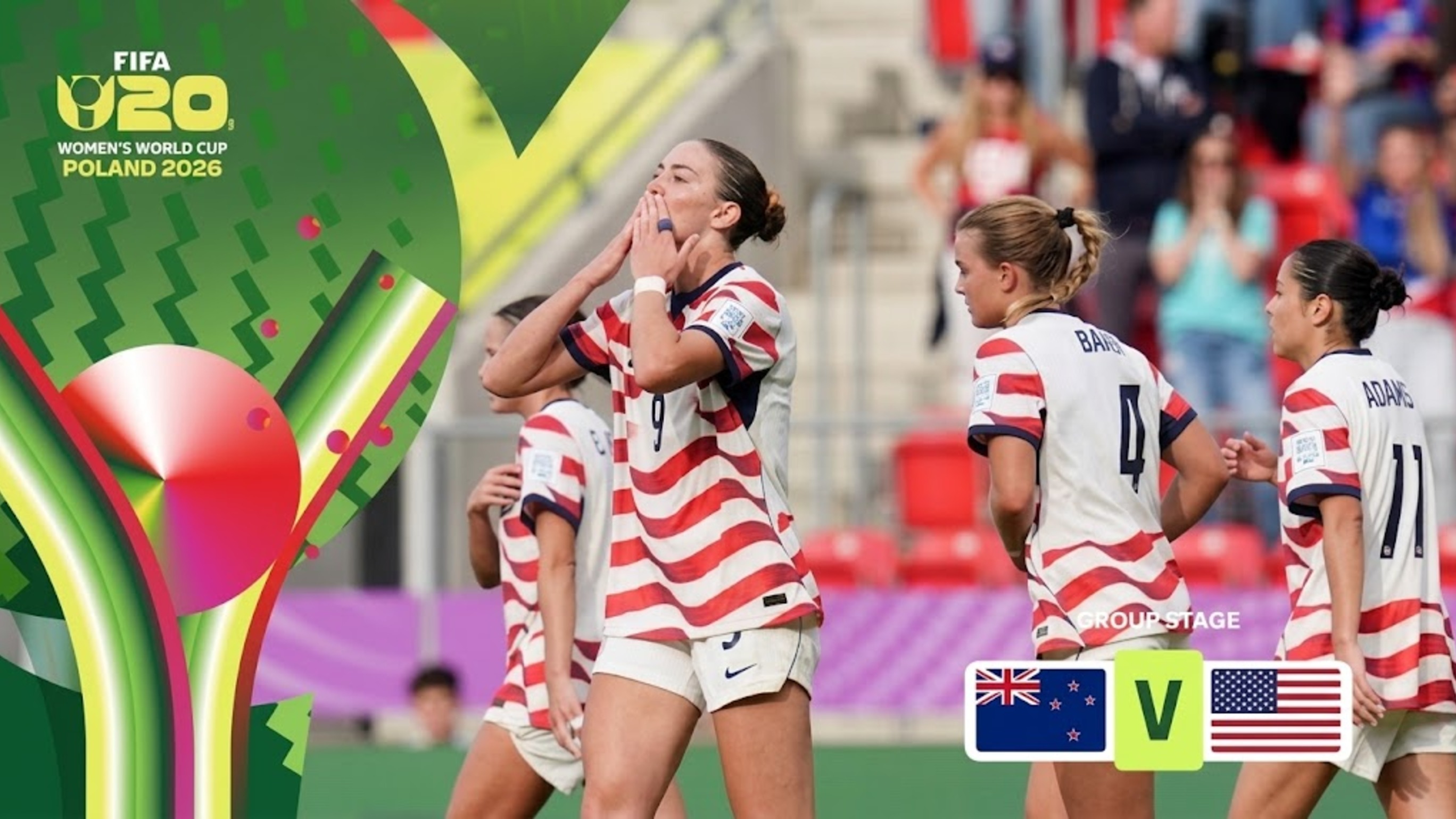
New Zealand's Under-20 women lost 9-0 to the United States in Poland on Saturday, their heaviest defeat in the tournament's history, conceding four goals in the first half and five more after the break. It was their third loss in three group matches, and it eliminated them from the competition entirely.
The easy read is that New Zealand simply had a bad tournament. The more useful read is asking why a gap this enormous exists between two countries' youth development systems in the first place, and what that says about which nations are actually positioned to compete at the elite women's level a decade from now.
The numbers are almost absurd
The USA outshot New Zealand 41-1 across the full ninety minutes. Their expected goals total for the match was 8.94, meaning the scoreline wasn't some statistical fluke built on a few lucky finishes, it was a near-exact reflection of complete territorial and technical control. Kennedy Fuller scored a hat trick. Alex Buck added a brace. Six different Americans found the scoresheet.
This wasn't an isolated result either. New Zealand also lost 3-0 to Italy and 2-1 to Japan in the same group, finishing with a minus-13 goal differential across three matches and zero points. That's not one bad night against an unusually strong opponent. That's a team that was competitively overmatched in every match it played.
What actually produces a gap like this
Elite youth development at this level increasingly comes down to infrastructure most fans never see: the density of professional and semi-professional women's leagues a country can funnel talent through, the quality and consistency of coaching at the academy level, and how early a federation starts identifying and investing in its most talented young players. The US women's pipeline runs through college programs, NWSL academy systems, and a professional domestic league that's grown enormously over the last decade, giving American 19- and 20-year-olds a level of competitive reps that few countries can match.
New Zealand's domestic women's football infrastructure, by contrast, is still developing relative to the countries it's now being asked to compete against on a global under-20 stage. That's not a knock on individual players or coaches. It's a structural reality that shows up in exactly the kind of scoreline Poland just produced.
Why this matters beyond one tournament
Gaps like this one are a preview of where senior national team competitiveness is headed over the next five to ten years. The countries building the deepest, most competitive domestic pipelines right now are the ones stocking their future senior rosters with players who've already faced elite-level pressure by age 19. Countries without that pipeline risk falling further behind, not because of one bad generation, but because the structural gap keeps compounding.
Which federations have actually built the development systems capable of closing a gap like this one, and which are still years away from being able to compete with a result like Saturday's anything other than embarrassing?

Sarajevo Back at the Heart of Regional MMA: SFC Returns with Explosive Matchups

How Buzzer Karma Works: Levels, Penalties, and What They Mean

Inside Buzzer's Latest Update (and Why It Changes How You Use the App)

Buzzer Introduces Ads Console: A New Era of Advertising Across the Entire Buzzer Ecosystem

Buzzer Is Evolving: From Quantity to Quality

Buzzer Now Has a Games Hub, and Tournaments Are Coming

Al Ittihad SC's Matches Are Now Live on Buzzer

Palm City vs Gulf United Ends in 1–1 Draw in UAE Second Division League Clash

"We Don't Take the Guy With the Camera." He Built His Own Club Anyway. Now He's Coming to Find You.

Building the Infrastructure Sports Tech Forgot


 2


