





 0
For One Week, Cycling's Biggest Stars Stop Racing for Their Teams and Race for Their Countries
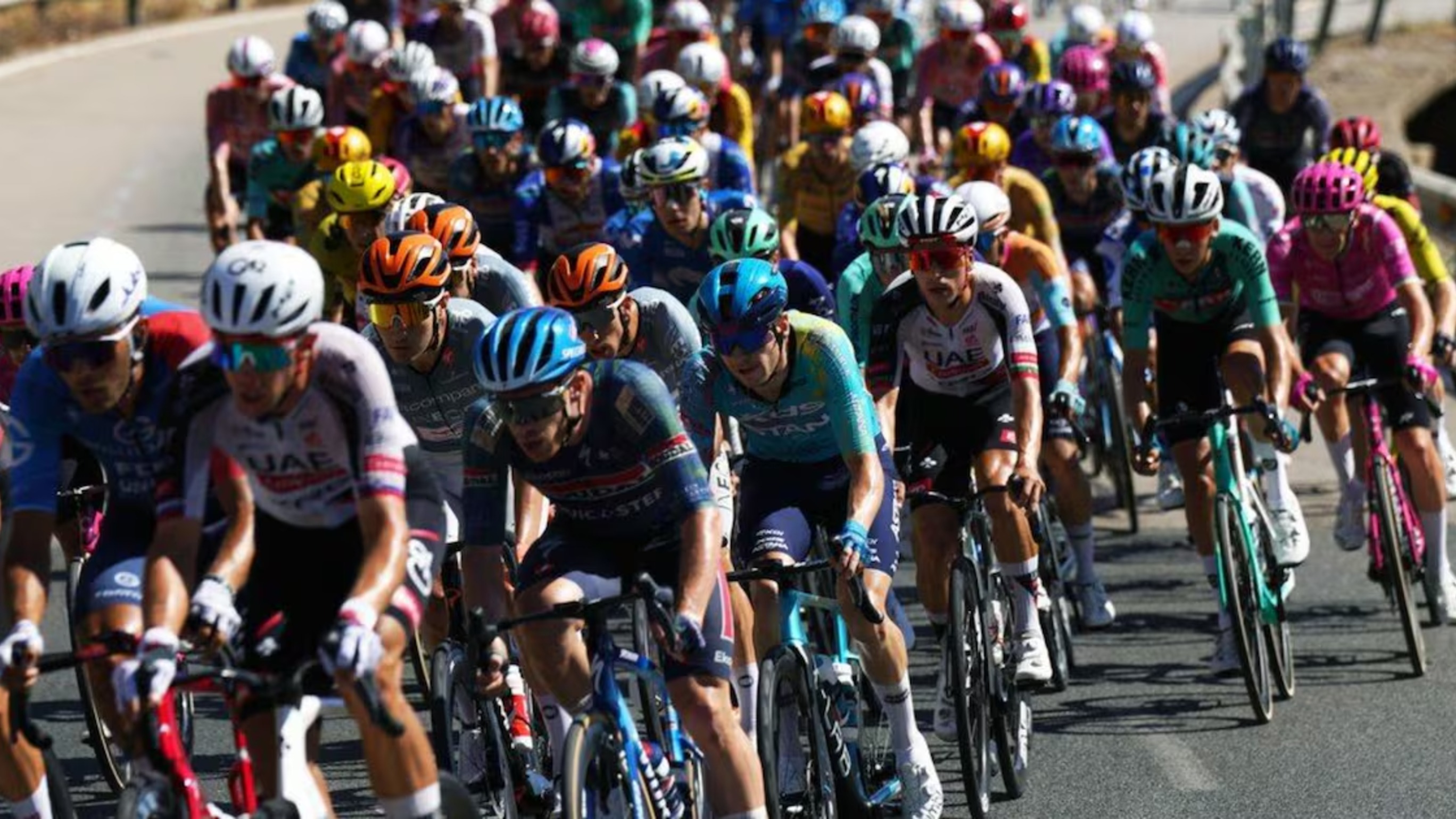
Nearly 1,000 riders from more than 75 countries arrive in Montreal for the UCI Road World Championships, running September 20 through 27 across 13 medal events. For one week a year, professional cycling's entire competitive structure flips: riders who spend the rest of the season as paid employees of commercial trade teams instead race for their home nations, wearing their country's colors rather than a sponsor's kit.
That structural switch changes far more than the jerseys. It changes who's actually working for whom on the road, and it produces some of the most tactically unpredictable racing cycling sees all year.
Why racing for a country instead of a trade team changes everything
During the normal season, a rider's team is built around a clear hierarchy: a designated team leader gets protected and set up to win, while teammates spend their entire race working in service of that single outcome, chasing breaks, blocking wind, sacrificing their own results for the team's collective goal. Trade team contracts, salaries, and season-long point standings all reinforce that structure, since a domestique's job security depends on supporting the leader effectively, not on personal glory.
National teams at the Worlds scramble that hierarchy completely. A country's strongest rider on paper might not actually be its best-suited rider for that specific course, and teammates who spend the rest of the year working for entirely different trade team leaders, sometimes even direct professional rivals, suddenly have to cooperate for one week based on shared nationality rather than shared employer.
What that produces on the road
National team dynamics frequently create genuinely strange tactical situations no trade team race would ever produce. Riders who are fierce professional rivals for 51 weeks of the year become teammates for this one, sometimes with real, lingering tension about who actually deserves protected status. A smaller cycling nation might have only one or two riders capable of contending, meaning they race essentially alone against countries fielding six or seven riders all working in coordinated support of a single designated leader.
That imbalance, small delegations racing against large, well-organized national squads, is part of what makes the World Championships road race genuinely different from any other event on the calendar. Tactics that would be suicidal in a normal trade team race, a lone rider attacking early with no teammates to support the move, sometimes become the only realistic path to a medal for a nation without the depth to control the race collectively.
Why the rainbow jersey means more than money
The winner's rainbow-striped jersey carries prestige that outlasts a single season, worn by the reigning champion in every race for the following year regardless of which trade team they're riding for. That's a genuinely different kind of prize than the prize money or ranking points at stake in a normal professional race, tied to loyalty and pride rather than the trade team system that governs the sport for the rest of the year.
How does racing for national pride rather than trade team salary and season standings actually change the risks riders are willing to take, and does that different set of incentives make the World Championships road race more honest, or simply more chaotic, than the racing fans see the rest of the year?

Sarajevo Back at the Heart of Regional MMA: SFC Returns with Explosive Matchups

How Buzzer Karma Works: Levels, Penalties, and What They Mean

Inside Buzzer's Latest Update (and Why It Changes How You Use the App)

Buzzer Introduces Ads Console: A New Era of Advertising Across the Entire Buzzer Ecosystem

Buzzer Is Evolving: From Quantity to Quality

Buzzer Now Has a Games Hub, and Tournaments Are Coming

Polo Al Taco Expands Its Global Reach Through Weekly Livestreams on Buzzer Arena TV

Al Ittihad SC's Matches Are Now Live on Buzzer

Palm City vs Gulf United Ends in 1–1 Draw in UAE Second Division League Clash

"We Don't Take the Guy With the Camera." He Built His Own Club Anyway. Now He's Coming to Find You.


 1


