





 0
An 11-Year-Old Is the Youngest Asian Games Athlete. What Happens When Elite Sport Starts This Early?
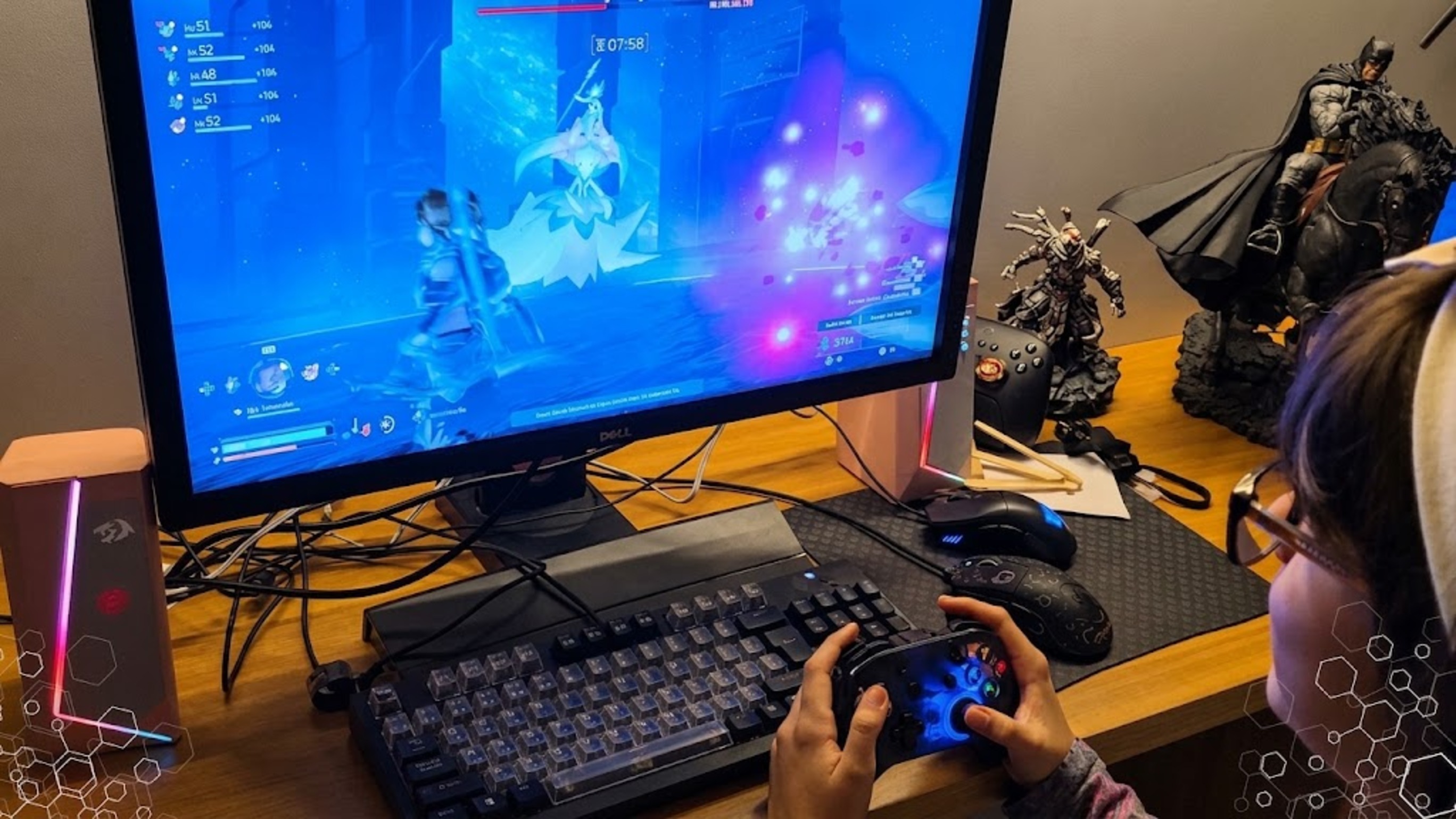
Yuki Kurihara is eleven years old. He has a pro license, a school timetable, and a genuine shot at an Asian Games medal.
He's competing for Japan in Puyo Puyo Champions, an e-sports puzzle title making its debut at the Aichi-Nagoya Asian Games, and he's the youngest athlete at the entire competition. He wants to do more than just show up.
A kid with a pro license
Kurihara started playing Puyo Puyo in his first year of primary school. He picked up his professional license this past April and now regularly competes against adults, a detail that sounds almost unremarkable until you remember he's still in elementary school. In his own words, balancing competition with school and cram school is hard, but the summer holidays gave him extra time to practice.
That's the whole story in miniature. A kid squeezing elite-level competition into the same schedule as homework, because the game he's good at happens to have turned into a legitimate international sport with medal implications.
He isn't the only child making that trade. China's Yu Zidi, a 13-year-old swimmer, already holds an Asian record in the 200m individual medley. Cui Chenxi became China's youngest Asian Games gold medallist at 13 in the street skateboarding event three years ago in Hangzhou, and she wasn't even the youngest skateboarder there. A nine-year-old competed in the same Games for the Philippines, and Indonesia's Bunga Nyimas won a skateboarding bronze at 12 back in 2018, a mark Kurihara says he specifically wants to beat.
Why some sports let children compete with adults
The pattern isn't random. Skateboarding and esports share something that separates them from, say, weightlifting or middle-distance running: neither depends heavily on adult muscle mass or a fully developed cardiovascular system. A quick brain and a fast pair of hands can outcompete decades of experience in a way that raw physical strength usually can't.
That's part of what makes Puyo Puyo different even from skateboarding. There's no physical ceiling at all standing between an eleven-year-old and an adult opponent. The game rewards pattern recognition and reaction speed, faculties that peak far earlier in life than an athlete's physical prime. Kurihara isn't succeeding despite his age. In this specific discipline, his age barely matters.
The uncomfortable part nobody quite wants to name
None of this means the question of how young is too young for elite competition disappears. A federation naming its youngest-ever team member is also, implicitly, deciding that the pressure of representing a country on a global stage is appropriate for a fifth grader. Japan's own Olympic Committee has to sign off on Kurihara's final selection precisely because that decision carries weight beyond just picking the fastest player.
Kurihara just wants to bring home a gold medal for Japan. Whether that's a heartwarming story about a prodigy or a sign that international sport is reaching further down into childhood than it probably should, depends entirely on which of those framings you were already inclined to believe.
When a sport removes the physical barrier that normally separates children from adult competitors, should international federations be racing to include younger athletes, or building in more guardrails before the age floor drops any further?

Sarajevo Back at the Heart of Regional MMA: SFC Returns with Explosive Matchups

How Buzzer Karma Works: Levels, Penalties, and What They Mean

Inside Buzzer's Latest Update (and Why It Changes How You Use the App)

Buzzer Introduces Ads Console: A New Era of Advertising Across the Entire Buzzer Ecosystem

Buzzer Is Evolving: From Quantity to Quality

Buzzer Now Has a Games Hub, and Tournaments Are Coming

Al Ittihad SC's Matches Are Now Live on Buzzer

Palm City vs Gulf United Ends in 1–1 Draw in UAE Second Division League Clash

"We Don't Take the Guy With the Camera." He Built His Own Club Anyway. Now He's Coming to Find You.

Building the Infrastructure Sports Tech Forgot


