





 0
The Asian Games Are Three Weeks Away. Why Do They Matter More Than an Olympic Warm-Up?
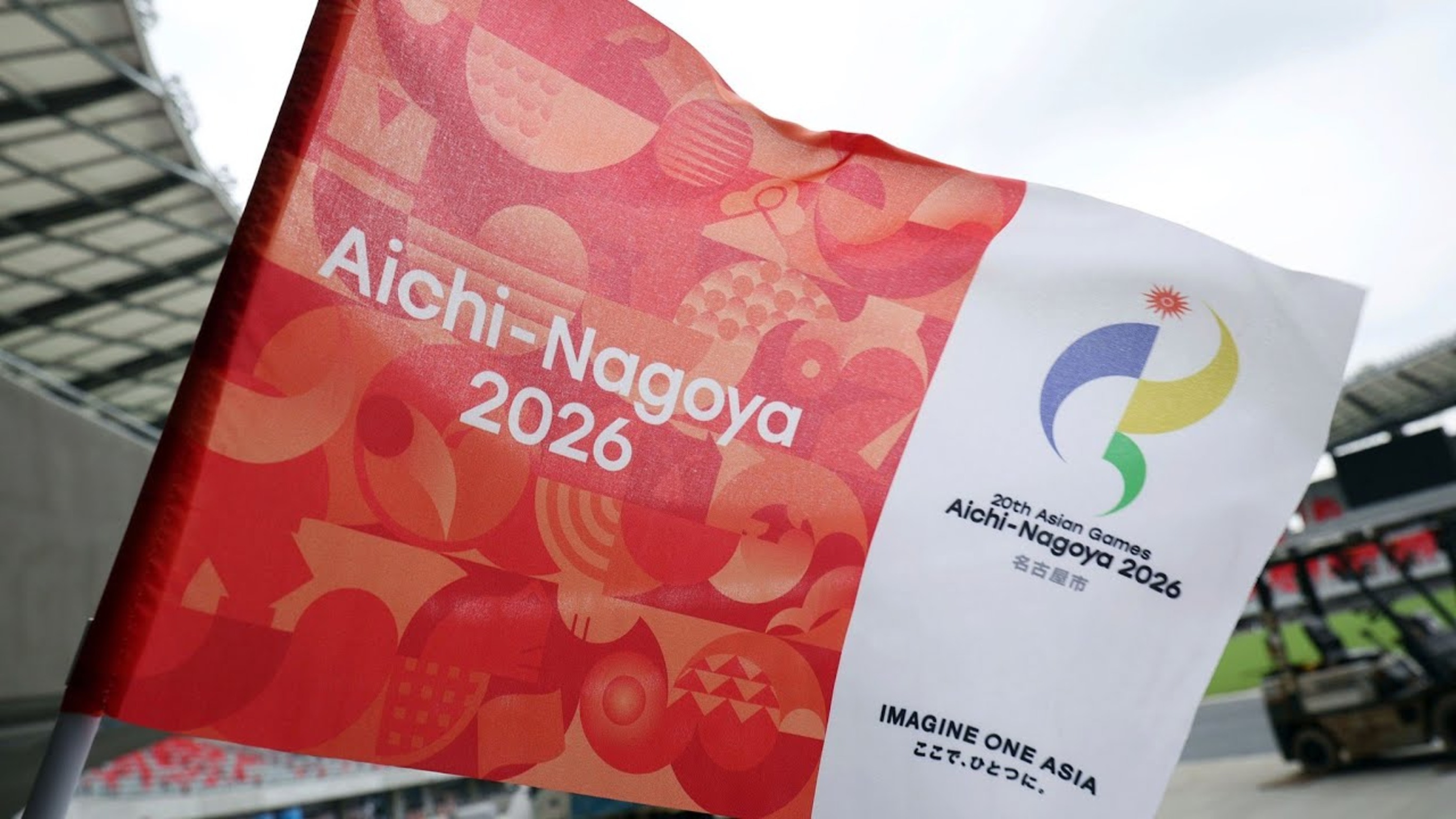
The Aichi-Nagoya Asian Games begin September 19, bringing together athletes from across the continent for a multi-sport event that often gets framed, inaccurately, as little more than a tune-up on the road to the next Olympics. For several sports and several athletes, that framing badly understates what's actually at stake.
Alex Eala is skipping a mandatory WTA 1000 tournament specifically to compete here. Satwiksairaj Rankireddy and Chirag Shetty are defending an Asian Games title they consider one of the most important results of their careers. Neither decision makes sense if this were genuinely just a warm-up event.
The qualification stakes that actually exist
In several sports, results at the Asian Games carry direct implications for the 2028 Los Angeles Olympics, offering qualification pathways that don't exist anywhere else on the continental calendar. That turns individual events from exhibition-style continental competition into genuine must-win opportunities, with real consequences that extend well past a medal ceremony in Nagoya.
For athletes from countries where Olympic qualification is genuinely competitive within their own national federation, a strong Asian Games result can be the difference between representing their country in Los Angeles and watching from home.
Why national pride carries real weight here
Continental games occupy a different emotional register than tour-level events for a lot of athletes, closer to how competitors describe representing their country at a World Cup than how they'd describe a regular-season tournament stop. Satwik and Chirag have specifically called their 2018 Asian Games badminton gold, India's first ever in the discipline, the most important title of their careers, ranking it above individual Super 1000 titles and world rankings milestones.
That kind of statement from athletes who've also won some of their sport's biggest individual honors says something about how continental team representation is actually valued inside the locker room, even when it doesn't carry the same global prestige as an Olympic or World Championship medal.
Why the "warm-up" framing undersells the whole event
Treating the Asian Games as an Olympic tune-up ignores both the direct qualification stakes in several sports and the genuine emotional weight athletes themselves place on representing their countries in this specific format. It's a lens that makes sense from outside Asia, where continental games don't carry the same cultural gravity, but it doesn't match how the athletes actually competing there describe the event.
For the millions across the continent who'll be watching, and for the athletes risking real professional consequences to be there, Aichi-Nagoya isn't a preview of anything. It's the main event.
The stakes are not theoretical either: careers, rankings, Olympic dreams and national expectations can all be affected by what happens in Nagoya.
Why have continental multi-sport games become genuinely important stepping stones and stakes-carrying events in their own right, rather than simply preludes to the Olympics that follow them?

Sarajevo Back at the Heart of Regional MMA: SFC Returns with Explosive Matchups

How Buzzer Karma Works: Levels, Penalties, and What They Mean

Inside Buzzer's Latest Update (and Why It Changes How You Use the App)

Buzzer Introduces Ads Console: A New Era of Advertising Across the Entire Buzzer Ecosystem

Buzzer Is Evolving: From Quantity to Quality

Buzzer Now Has a Games Hub, and Tournaments Are Coming

Al Ittihad SC's Matches Are Now Live on Buzzer

Palm City vs Gulf United Ends in 1–1 Draw in UAE Second Division League Clash

"We Don't Take the Guy With the Camera." He Built His Own Club Anyway. Now He's Coming to Find You.

Building the Infrastructure Sports Tech Forgot


 1

