





 0

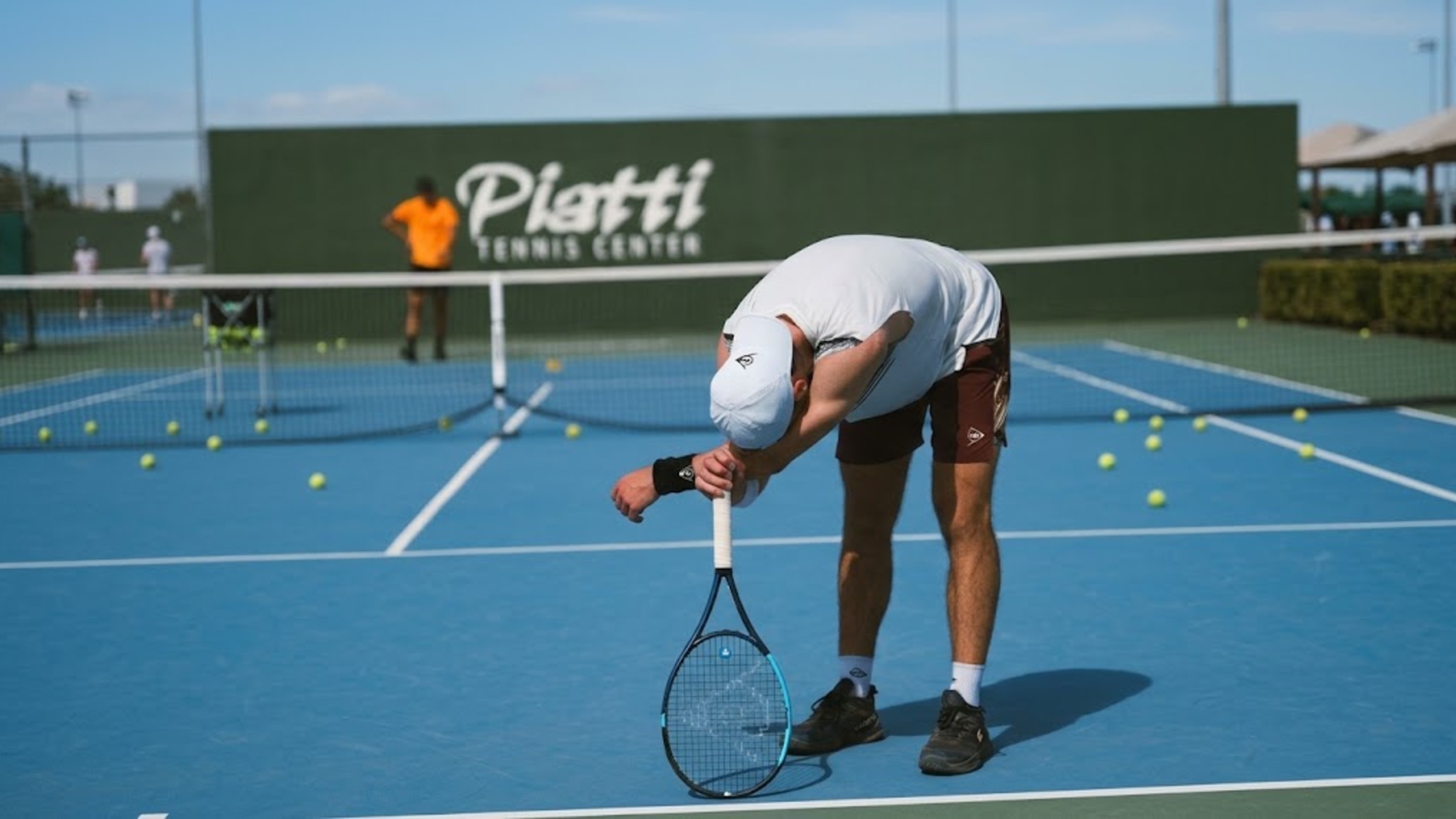
Why Is the End of the Tennis Season So Difficult for Players Who Compete All Year?
Jannik Sinner, the two-time defending ATP Finals champion, has already ended his season. So has Jack Draper. Amanda Anisimova called time on her 2026 season right after the US Open. It’s only October 20, and there are still four weeks of tournaments to play.
The calendar doesn’t care who’s tired. It just keeps moving.
What’s left on the schedule
The Rolex Shanghai Masters ran from October 7 to 18, twelve days in total. The Wuhan Open, the last WTA 1000 of the year, ran from October 12 to 18 and had its field hit by withdrawals. The rest of the men’s season moves indoors, from the ATP 500s in Basel and Vienna to the Paris Masters, with its main draw from November 2 to 8. The ATP Finals in Turin run from November 15 to 22.
That’s a lot of tennis, in different countries and on different surfaces, played by people who started in January. The off-season is about three weeks in December, a hurried period for rehabilitation, fitness work and travel before the next year starts.
Carlos Alcaraz has said the schedule is “going to kill us.” It’s a dramatic line, though the withdrawals suggest he’s not alone in thinking so.
Fatigue is part of the competition
There’s a lazy way to talk about this, which treats late-season fatigue as an excuse. A player loses, mentions being tired, and critics roll their eyes.
That misses the point. In a sport with no teams, no substitutions and a ranking system that rewards participation, managing your own body is part of the job. The players who handle the autumn well are doing something skillful, and the ones who don’t are making the same decisions everyone does, with less margin.
The rules of the game are also different. Most tournaments in the final weeks are best of three sets, which gives tired players a better chance of an upset than a best-of-five match would. Indoor courts magnify serving, and the shift in surface and conditions after the Asian hard-court swing forces another adjustment.
When scheduling becomes a welfare problem
The sport has already seen what happens when schedules and bodies collide. In 2023, Sinner withdrew from the Paris Masters citing fatigue after one match ended at 2:37 in the morning. His coach, Darren Cahill, criticized what he called zero care for players’ welfare with the Paris scheduling, and Casper Ruud called a 14.5-hour turnaround a joke.
The tour’s leaders have a different view. ATP chairman Andrea Gaudenzi said last year that the close season is too short, but placed much of the blame on the Davis Cup Finals, which called up 50 players. He also described players as “freelancers” who choose their own schedules, and he took a shot at them for being tempted by well-paid exhibitions.
Both sides have a point. Players do have choices, and tournaments offer ranking points and prize money that are hard to turn down. But the calendar was built by people who aren’t playing it, and the people who are playing it have to live with the consequences.
The ranking trap
The deepest problem is how rankings work. Points expire, tournaments are mandatory in some cases, and the Turin qualification race creates pressure to keep playing even when the body says stop. A player a few points from the last ATP Finals place has to weigh a career-defining week against the risk of injury.
That trade-off isn’t equal for everyone. A top player with a secure ranking can skip an event and lose almost nothing. A player ranked 40th might not have that choice, because every point counts.
So when someone withdraws, the decision may be rational in a way that the crowd can’t see. And when someone plays through pain, the courage may be hiding a calculation about money and rankings.
If tennis keeps asking players to compete all year, should the sport shorten the season, or should the players who need rest simply accept the ranking cost?

Sarajevo Back at the Heart of Regional MMA: SFC Returns with Explosive Matchups

How Buzzer Karma Works: Levels, Penalties, and What They Mean

Inside Buzzer's Latest Update (and Why It Changes How You Use the App)

Buzzer Introduces Ads Console: A New Era of Advertising Across the Entire Buzzer Ecosystem

Buzzer Is Evolving: From Quantity to Quality

Polo Al Taco Expands Its Global Reach Through Weekly Livestreams on Buzzer Arena TV

Buzzer Now Has a Games Hub, and Tournaments Are Coming

Al Ittihad SC's Matches Are Now Live on Buzzer

Palm City vs Gulf United Ends in 1–1 Draw in UAE Second Division League Clash

"We Don't Take the Guy With the Camera." He Built His Own Club Anyway. Now He's Coming to Find You.


