





 1

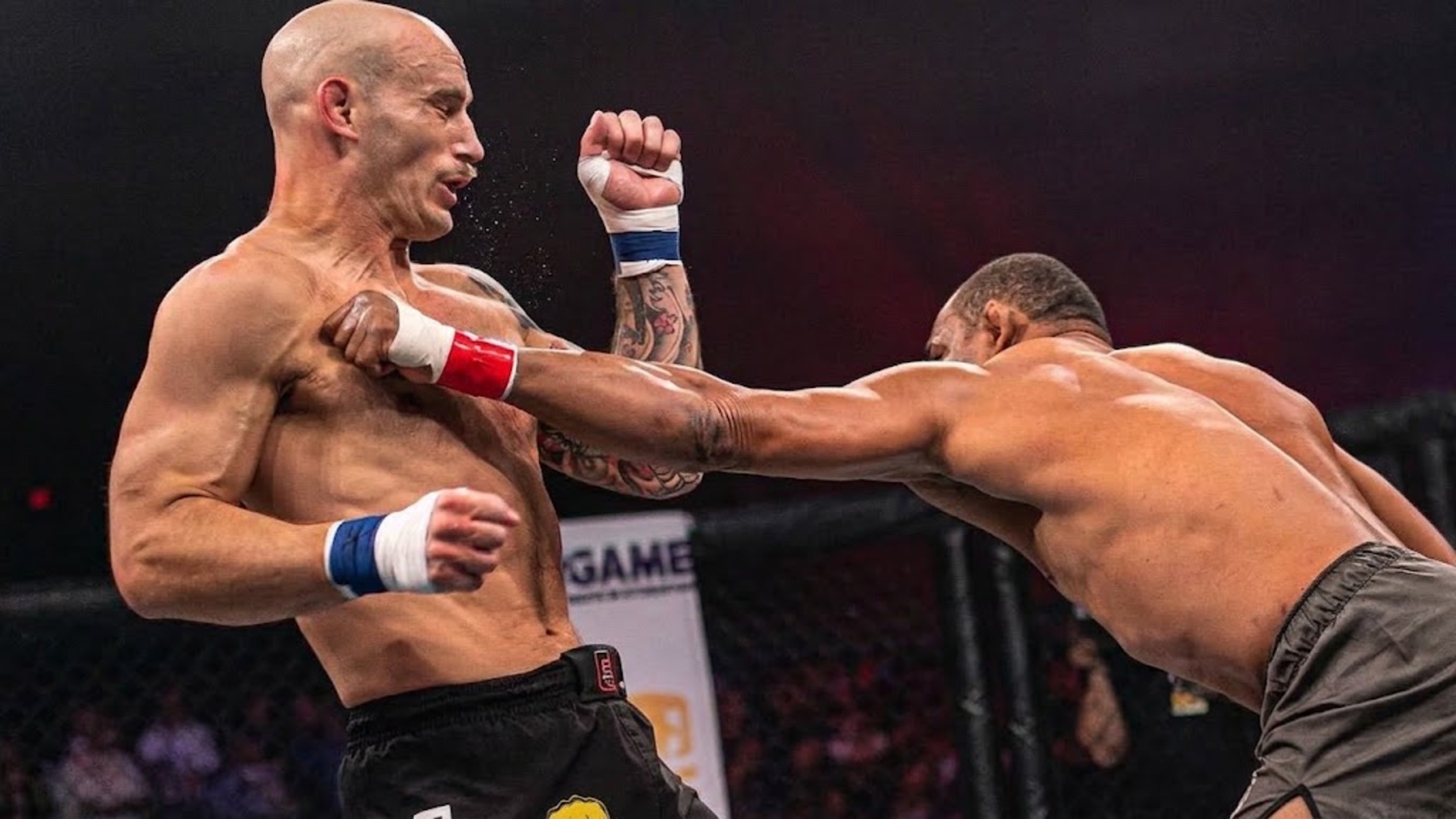
MMA Fighters Are Staying Active Longer. Has Training Changed What a Fighter's Prime Looks Like?
Francisco Trinaldo beat a fighter more than a decade his junior at age 41. Demian Maia submitted a rising prospect at 42. Stipe Miocic held UFC heavyweight gold at 37, one of just two male champions across the promotion's divisions in recent years to sit outside the typical 30-to-32 title-holder age range.
None of that used to be normal in a sport built almost entirely around explosive, punishing physicality. So what actually changed?
What's actually different about modern training
The shift isn't really about fighters getting more talented earlier. It's about recovery becoming a formal, prioritized part of a fight camp rather than an afterthought. Coaches now treat sleep, structured rest, and load management as core training variables, adjusting a fighter's camp based on fatigue signals rather than pushing through exhaustion by default, a philosophy that simply didn't exist in the sport's earlier decades.
Strength and conditioning work has similarly moved away from generic gym routines toward highly individualized programs targeting exactly what each fighter's style demands, whether that's explosive power, endurance, or balance under grappling exchanges. Combined with improved surgical and rehabilitation techniques for the kind of joint and soft tissue injuries that used to end careers outright, fighters now have genuine tools to manage the wear their bodies accumulate.
Why heavier weight classes age differently than lighter ones
The longevity trend isn't uniform across the sport, and that split is worth understanding. Heavyweight fighters have historically remained competitive well into their late 30s, with power and experience compensating for the natural decline in reflexes that speed-dependent lighter divisions can't afford. In contrast, fighters aged 35 and older competing at welterweight or below have won just two of 33 recent title fights in those weight classes, a stark reminder that reaction speed, not raw strength, is often the deciding factor at lighter weights, and it's precisely the attribute that erodes earliest.
That's a meaningful distinction lost in broad "fighters are aging better now" narratives. What's actually happening is more specific: heavyweight and certain durable styles are benefiting disproportionately from modern recovery science, while speed-dependent lighter divisions remain far less forgiving of age regardless of how sophisticated a fighter's training has become.
The trade fighters are actually making
What sports science has genuinely bought fighters isn't immunity from decline. It's a longer, more gradual slope instead of a sudden cliff. A fighter in his late 30s today isn't performing at his 27-year-old peak. He's performing close enough to it, for long enough, that fans stop assuming his career is functionally over the moment he crosses that once-hard age barrier.
That's a real and meaningful shift for a sport that used to treat 35 as an almost automatic retirement signal. It's just not the same thing as combat sports somehow solving the physical cost of competing.
Given how differently heavyweight and lighter-weight fighters age, should the sport's conversation about "extended primes" be split entirely by weight class rather than treated as one universal trend?

Sarajevo Back at the Heart of Regional MMA: SFC Returns with Explosive Matchups

How Buzzer Karma Works: Levels, Penalties, and What They Mean

Inside Buzzer's Latest Update (and Why It Changes How You Use the App)

Buzzer Introduces Ads Console: A New Era of Advertising Across the Entire Buzzer Ecosystem

Buzzer Is Evolving: From Quantity to Quality

Polo Al Taco Expands Its Global Reach Through Weekly Livestreams on Buzzer Arena TV

Al Ittihad SC's Matches Are Now Live on Buzzer

Buzzer Now Has a Games Hub, and Tournaments Are Coming

Palm City vs Gulf United Ends in 1–1 Draw in UAE Second Division League Clash

"We Don't Take the Guy With the Camera." He Built His Own Club Anyway. Now He's Coming to Find You.


 3


