





 0

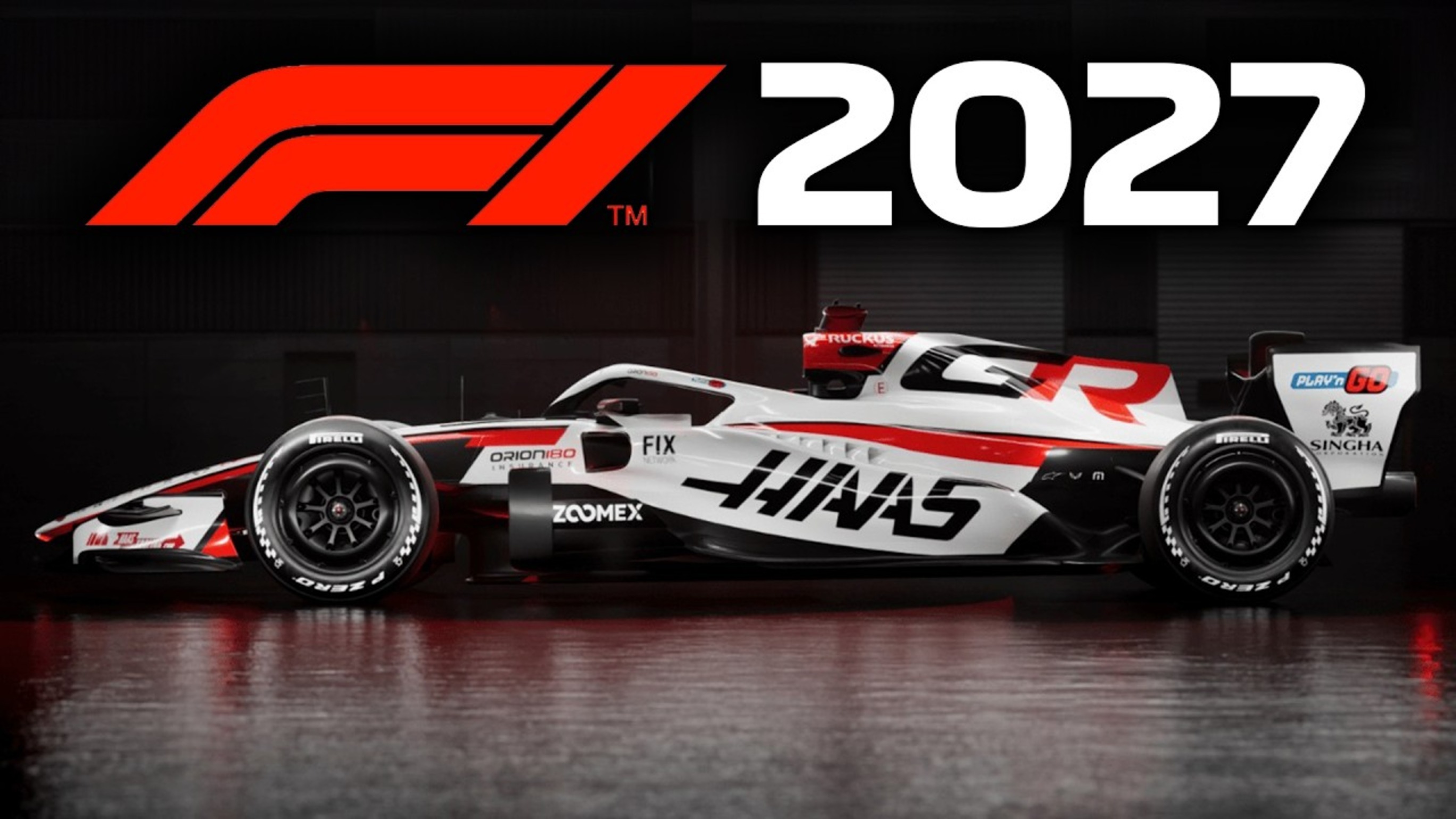
F1 Is Cutting Races By Three Laps in 2027. The Real Story Is What Forced Its Hand.
Formula 1 teams have unanimously backed a plan to shrink every Grand Prix from 305km down to roughly 290km starting in 2027, according to Autosport. That's about two to three laps gone at most circuits. Monaco, already capped at 260km, gets trimmed too.
Sounds small. It isn't really about the racing at all.
A fuel problem wearing a distance costume
Here's what's actually going on under the hood. F1's power units are shifting their energy split between the combustion engine and the electrical system, moving from roughly 53:47 this year to 58:42 in 2027, according to Motorsport Magazine. More of the power is coming from burning fuel, less from batteries. That means cars need to carry more fuel to finish a full-length race than they currently do.
Teams are already locked into 2027 chassis designs. Redesigning fuel tanks a year after cars get homologated wasn't something anyone had an appetite for, The Race reported. So instead of building bigger tanks, the sport is just making the races shorter. No new parts. No weight penalty. Just less race.
It's the kind of decision that would barely register with a casual fan watching from the stands. Tell someone the Chinese Grand Prix ran 53 laps instead of 56 and most wouldn't notice mid-race. But it says something about how F1 actually operates. The sport loves talking up bold, fan-facing changes. Sprint races. New venues. Budget caps. This one isn't that. It's a compromise born out of an awkward mid-cycle rule change, patched over with the least disruptive fix available.
Shorter races, bigger calendar
While race distances shrink, everything else around them keeps expanding. F1 is adding sprint races for 2027, taking the format from six weekends up to ten, including Monaco for the first time. There's also talk of a 34-race calendar, which would be the fullest in the sport's history. So races get shorter individually, but there are simply more of them, with more sprint formats layered on top. F1 isn't shrinking. It's being restructured around fuel-flow math that most fans will never think about twice.
This isn't even a new trick, either. F1 has quietly used fuel and technical regulations to paper over engine-formula problems for most of its 75-year history, adjusting distances, weights, and formats behind the scenes while keeping the spectacle up front for the cameras.
What's actually left to decide
The change still has to clear the F1 Commission and get ratified by the FIA's World Motor Sport Council before it's locked in, which is expected to be close to a formality at this point. And technically, it's only agreed for 2027 so far. If the next round of fuel-flow changes planned for 2028 causes more headaches for teams, they may simply keep the shorter distance going rather than fight the same battle twice in three years.
Would you notice three fewer laps if nobody told you? And if the honest answer is no, what does that say about how much of F1's rulebook gets written for the paddock rather than for the people actually watching from the stands?

Sarajevo Back at the Heart of Regional MMA: SFC Returns with Explosive Matchups

How Buzzer Karma Works: Levels, Penalties, and What They Mean

Inside Buzzer's Latest Update (and Why It Changes How You Use the App)

Buzzer Introduces Ads Console: A New Era of Advertising Across the Entire Buzzer Ecosystem

Buzzer Is Evolving: From Quantity to Quality

Polo Al Taco Expands Its Global Reach Through Weekly Livestreams on Buzzer Arena TV

Al Ittihad SC's Matches Are Now Live on Buzzer

Buzzer Now Has a Games Hub, and Tournaments Are Coming

Palm City vs Gulf United Ends in 1–1 Draw in UAE Second Division League Clash

"We Don't Take the Guy With the Camera." He Built His Own Club Anyway. Now He's Coming to Find You.


