





 0
Cricket Is Coming to the Asian Games Again. But Can Japan Host It Properly?
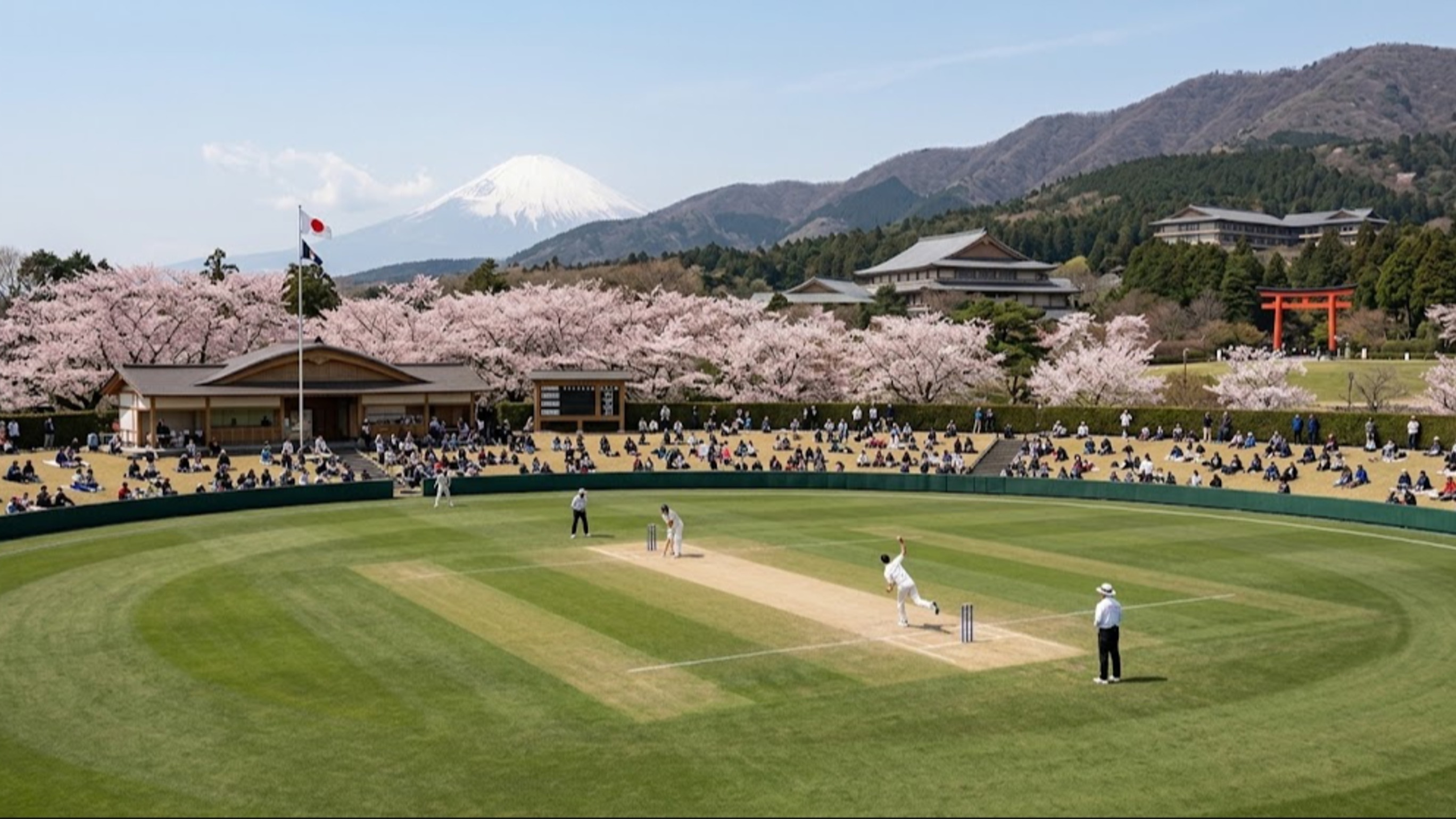
The Board of Control for Cricket in India and the Pakistan Cricket Board have both raised formal concerns about a converted baseball ground set to host cricket at the 2026 Asian Games. The venue, Korogi Sports Park in Nisshin, only finished its cricket conversion in late March and has hosted almost nothing competitively since. The Asian Cricket Council has now ordered a special inspection to sort it out before the Games begin.
Former India opener Aakash Chopra put the concern bluntly on his own channel, warning that fast bowling on unprepared pitches can become genuinely dangerous. Japan's cricket association fired back, arguing critics don't understand how difficult the setup actually was. Both sides have a point, and the disagreement says as much about cricket's global expansion as it does about one specific ground in Japan.
A stadium with almost no cricket history
Korogi Sports Park has a capacity of roughly 2,000 and had previously only hosted matches during an ICC qualifying tournament, nothing close to the volume of use a venue typically needs to develop a reliable, well-tested playing surface. Converting a baseball ground into a cricket venue isn't simply a matter of laying a pitch square. It requires building an entirely different playing surface culture from scratch, one that usually takes years of matches to properly settle and test under match conditions.
India and Pakistan's specific complaint centers on that lack of testing. A newly laid pitch that hasn't absorbed enough competitive matches can behave unpredictably under fast bowling, producing uneven bounce that becomes a genuine safety issue rather than just a competitive inconvenience.
The bigger pattern behind one venue dispute
This isn't the first time this exact tension has surfaced at the Asian Games. Chopra pointed out that the same complaints followed the previous edition too, in China, another country with world-class general sports infrastructure but comparatively little cricket-specific development. The pattern he's describing is straightforward: countries with limited domestic cricket culture tend to recognize the sport's importance late, and by the time they do, building infrastructure that meets international standards on a tight timeline becomes genuinely difficult.
That's a structural problem, not a one-off failure by any single organizing committee. Cricket's push into new markets, including Olympic inclusion conversations and events like the Asian Games in non-traditional cricket countries, keeps running into the same gap between ambition and the years of groundwork infrastructure actually requires.
Japan's side of the argument
The Japan Cricket Association hasn't simply absorbed the criticism quietly. Their pushback suggests genuine frustration that the difficulty of building cricket-specific facilities from almost nothing, on a compressed timeline, hasn't been fully appreciated by federations from countries where that infrastructure has existed for generations. That's a fair point buried inside a legitimate safety concern.
Both things can be true simultaneously: Japan may have done reasonably well given the constraints, and the resulting pitch may still not be safe enough for elite fast bowling without further work. The ACC's decision to send an inspection delegation suggests officials are treating the safety concern as real rather than dismissing it as diplomatic noise between cricket boards.
What this means for cricket's expansion plans
With India, Pakistan, Sri Lanka and Bangladesh all sending teams to compete, the stakes here go beyond one tournament. If elite fast bowlers genuinely can't operate safely on the current pitch, that's a real problem for player welfare regardless of how understandable the underlying infrastructure challenge is. If the concerns turn out to be overstated once inspected, it becomes a case study in miscommunication between an established cricket nation and a host still building its cricket credentials.
Either outcome will shape how future Asian Games organizing committees, and other developing cricket markets, approach infrastructure timelines the next time the sport arrives somewhere it hasn't put down roots yet.
As cricket keeps pushing into countries where the sport is still developing, whose responsibility should it be to fund and build genuinely safe infrastructure in time, the host nation or the international game that wants to expand there?

Sarajevo Back at the Heart of Regional MMA: SFC Returns with Explosive Matchups

How Buzzer Karma Works: Levels, Penalties, and What They Mean

Inside Buzzer's Latest Update (and Why It Changes How You Use the App)

Buzzer Introduces Ads Console: A New Era of Advertising Across the Entire Buzzer Ecosystem

Buzzer Is Evolving: From Quantity to Quality

Buzzer Now Has a Games Hub, and Tournaments Are Coming

Al Ittihad SC's Matches Are Now Live on Buzzer

Palm City vs Gulf United Ends in 1–1 Draw in UAE Second Division League Clash

"We Don't Take the Guy With the Camera." He Built His Own Club Anyway. Now He's Coming to Find You.

Building the Infrastructure Sports Tech Forgot


