





 0
115 charges. Nine seasons. Now football Has To prove Its financial rules Can actually Be Enforced
Nine seasons. 115 charges. A 42-day hearing. A Premier League statement that ran to 1,545 words.
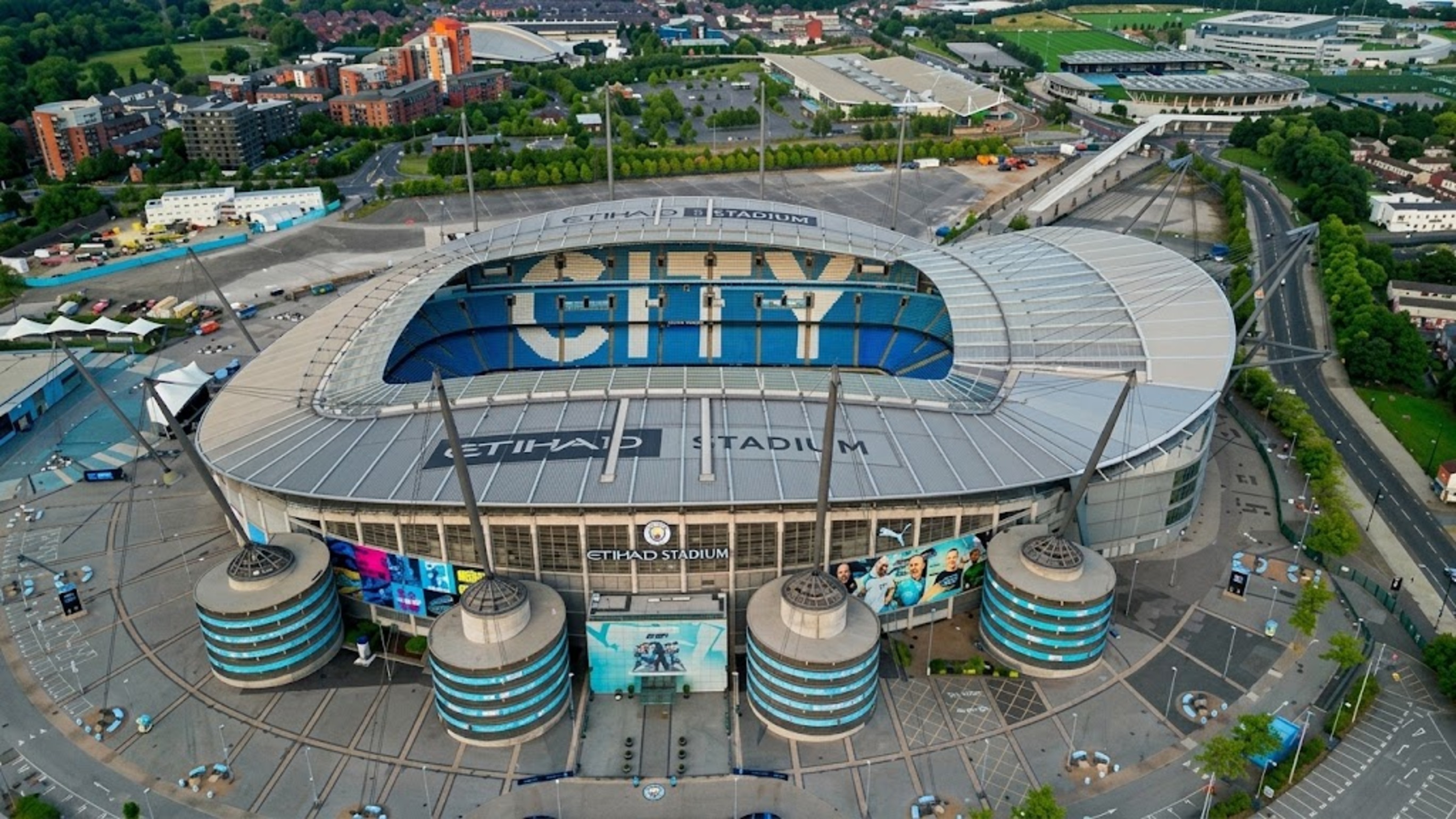
That paper trail ended on Tuesday, when an independent commission found Manchester City guilty of all the charges tied to serious breaches of the league's financial rules, plus most of the charges tied to failing to cooperate with the investigation. City said they were "disappointed and surprised" and insisted they are innocent. They have until Friday to lodge an appeal, and sanctions will be decided at a separate hearing, so nobody outside the room knows the punishment yet.
City have never wavered on that position. When the charges were referred in February 2023, the club said it had a "comprehensive body of irrefutable evidence" backing its claim of innocence. The commission has now decided otherwise, and an appeal will test whether that holds.
What the commission says it found
The period covered runs from the 2009/10 season to 2017/18. Of the 115 charges, 54 concerned failing to provide accurate financial information, and 35 concerned failing to cooperate with the league. According to the Premier League, City arranged "sham" contracts with commercial partners, deals that misrepresented what the parties had actually agreed, to inflate revenue and push costs down on paper.
The league also said City filed misstated accounts and significantly breached both its own spending limits and UEFA's. Chief executive Richard Masters called it the most significant case in Premier League history.
Then there is the cooperation finding. The commission concluded that City made "concerted efforts to stop and frustrate" a four-year investigation. That line matters more than it looks, because it goes to how financial rules in football actually work.
A rulebook that runs on honesty
Financial regulation in the Premier League depends on self-reporting. Clubs submit the numbers, the league checks them, and the whole system assumes the paperwork is what it claims to be. If a commission is right that the paperwork was built to mislead, the rules were never tested in a fair fight, because one side controlled the evidence.
That is uncomfortable for everybody, not only City. Every club with a complicated sponsorship arrangement now knows a forensic reading of its contracts is a real possibility.
Time is the other problem. The league charged City in February 2023 and the verdict arrived in September 2026. Three full seasons were played in between, with trophies handed out, Champions League places settled and transfer budgets set, all under a cloud that could not be cleared in time to matter.
What happens next
Two processes now run side by side. City can appeal, and the sanctions hearing will set the penalty. Coverage before the verdict floated everything from fines to points deductions, though the commission has not said where it will land.
UEFA punished City in 2020 with a two-year European ban and a €30 million fine, and that ruling was overturned on appeal. Supporters on both sides have seen this film before, and they remember how the last one ended.
So here is the question for the group chat. If a title is won on books a commission later calls misleading, what can a punishment actually give back to the club that finished second?

Sarajevo Back at the Heart of Regional MMA: SFC Returns with Explosive Matchups

How Buzzer Karma Works: Levels, Penalties, and What They Mean

Inside Buzzer's Latest Update (and Why It Changes How You Use the App)

Buzzer Introduces Ads Console: A New Era of Advertising Across the Entire Buzzer Ecosystem

Buzzer Is Evolving: From Quantity to Quality

Buzzer Now Has a Games Hub, and Tournaments Are Coming

Polo Al Taco Expands Its Global Reach Through Weekly Livestreams on Buzzer Arena TV

Al Ittihad SC's Matches Are Now Live on Buzzer

Palm City vs Gulf United Ends in 1–1 Draw in UAE Second Division League Clash

"We Don't Take the Guy With the Camera." He Built His Own Club Anyway. Now He's Coming to Find You.


 1


