





 0

Australia vs Bangladesh Shows Why Women’s Cricket Needs More Than One-Off International Tours
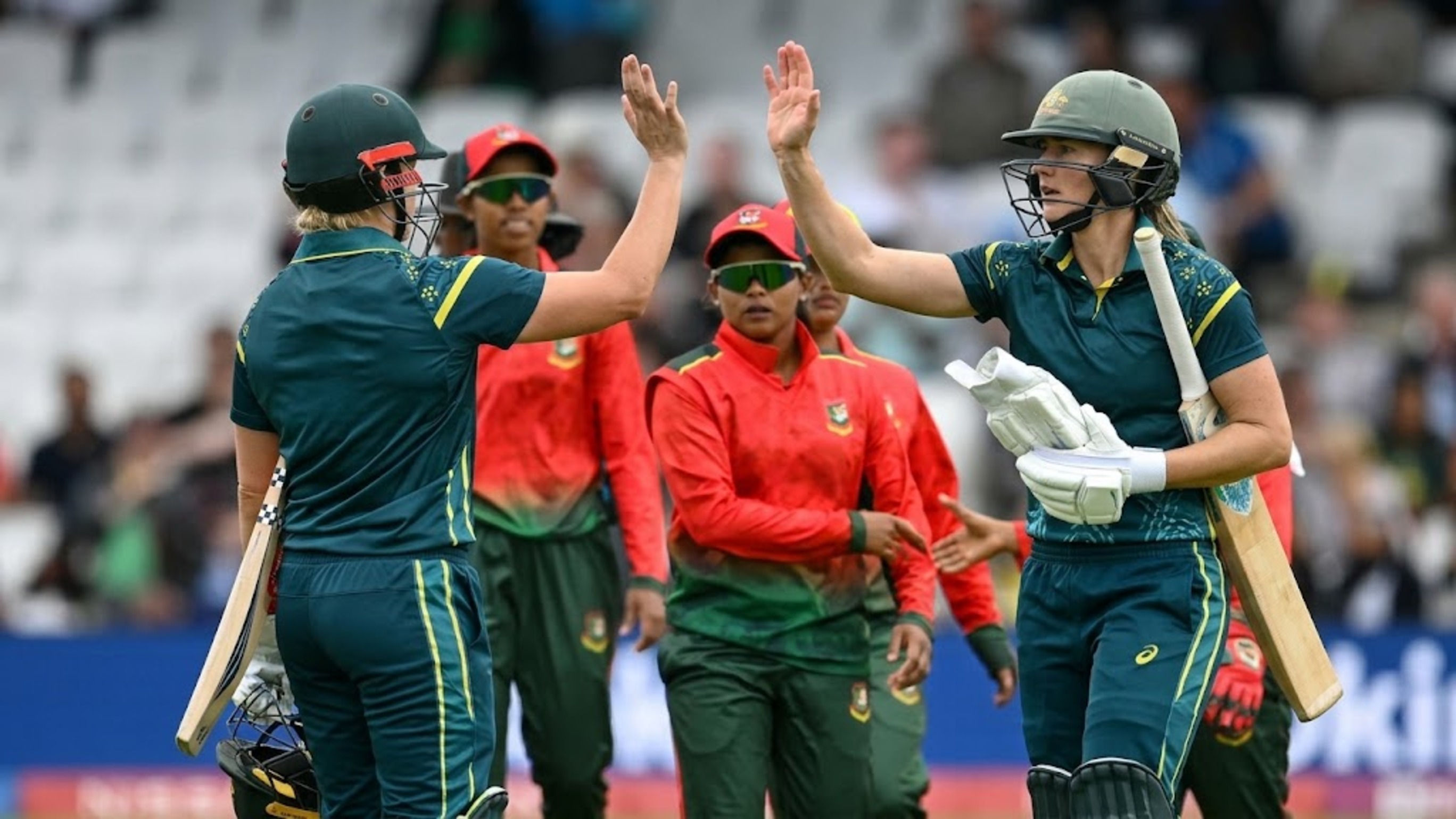
In one ODI in Brisbane this month, Australia chased down 167 in 25.4 overs with 146 balls to spare. In another, they reached 173 in 22.4 overs and finished 164 balls early. Bangladesh had scored 166 and 172. Neither game was close.
Australia swept the three-match series 3-0, and Megan Schutt took 10 wickets across it. The tour was ODIs only, and Australia has since moved on to a T20 series against New Zealand.
A scoreline like that tells you who won. It doesn’t tell you what Bangladesh should do next, and the sensible answer is mostly to play more cricket exactly like this.
The same gap showed up in June
At the Women’s T20 World Cup, Bangladesh batted first against Australia and made 77 for eight. Kim Garth took two for 18 and Ellyse Perry two for 14, and Bangladesh were 27 for five at one stage. Australia chased the total in 9.3 overs for the loss of one wicket, with Georgia Voll unbeaten on 45.
It would be easy to stop there. But days earlier, Bangladesh had beaten the Netherlands at the same tournament, with Juairiya Ferdous making a fifty. The side that was blown away by the eventual champions is also a side that wins matches against the rest of the field. That’s what a team in the middle of its development looks like, and it deserves better than a shrug.
What a thin schedule actually costs
Bangladesh’s women got their first franchise-based T20 competition this April. The Women’s Bangladesh Premier League ran from April 3 to 15, and anyone who follows the sport will tell you it’s a welcome step. It’s also thirteen days of cricket. Australia’s players spend most of the year in a calendar that keeps handing them high-pressure matches against strong opposition.
The talent is visible. Captain Nigar Sultana Joty has scored 30 or more in three of her last four T20I innings against Australia, and across her last four innings when Bangladesh batted first she made 169 runs at an average of 84.5, according to a Cricket Australia preview. Those aren’t the numbers of a batter who is overawed.
The gap is in situations. Defending 150 on a good pitch, chasing at a rising run rate, closing out an innings when the new ball is gone. Those are habits, and habits come from repetition.
Why a heavy loss can still be useful
Playing the best team in the world three times in six days teaches things a domestic league can’t. How their bowlers use the new ball. How the field changes after the powerplay. How a chase gets built so that 173 feels like a jog. A young team that sees all that up close has something to take home and practice.
There’s a cost, of course. Heavy defeats chip away at confidence, and a collapse to 27 for five can make a dressing room doubt itself. The way to manage that is to treat these matches as a measuring stick instead of a verdict, and to make sure the next series arrives soon enough for the lessons to stick.
That’s why one-off tours can disappoint. Bangladesh learned plenty in Brisbane, then had to wait for the next opportunity to use it.
Who controls the calendar
Responsibility doesn’t sit only with Bangladesh. Established boards set the schedule, and the fixtures they choose decide how often developing teams get a chance to play them. If Australia, India and England prioritize series against each other, the gap grows. If they commit to regular tours with developing sides, it shrinks.
This is where the ICC matters most. A guaranteed minimum number of bilateral series for developing women’s teams would turn good intentions into a habit, and it would cost the big teams a handful of dates a year.
For Bangladesh, the practical test is simpler. Can the team keep Australia to a chaseable total next time, and can it make that chase tense? That’s a smaller question than winning a series, and a more useful one.
Should the ICC require top women’s teams to play a minimum number of bilateral series against developing sides every year, or should those fixtures stay a matter for national boards to schedule?

Sarajevo Back at the Heart of Regional MMA: SFC Returns with Explosive Matchups

How Buzzer Karma Works: Levels, Penalties, and What They Mean

Inside Buzzer's Latest Update (and Why It Changes How You Use the App)

Buzzer Introduces Ads Console: A New Era of Advertising Across the Entire Buzzer Ecosystem

Buzzer Is Evolving: From Quantity to Quality

Polo Al Taco Expands Its Global Reach Through Weekly Livestreams on Buzzer Arena TV

Buzzer Now Has a Games Hub, and Tournaments Are Coming

Al Ittihad SC's Matches Are Now Live on Buzzer

Palm City vs Gulf United Ends in 1–1 Draw in UAE Second Division League Clash

"We Don't Take the Guy With the Camera." He Built His Own Club Anyway. Now He's Coming to Find You.


