





 0

Cadillac Has Extended Sergio Perez Until 2029. Why Do New F1 Teams Need Experienced Drivers?
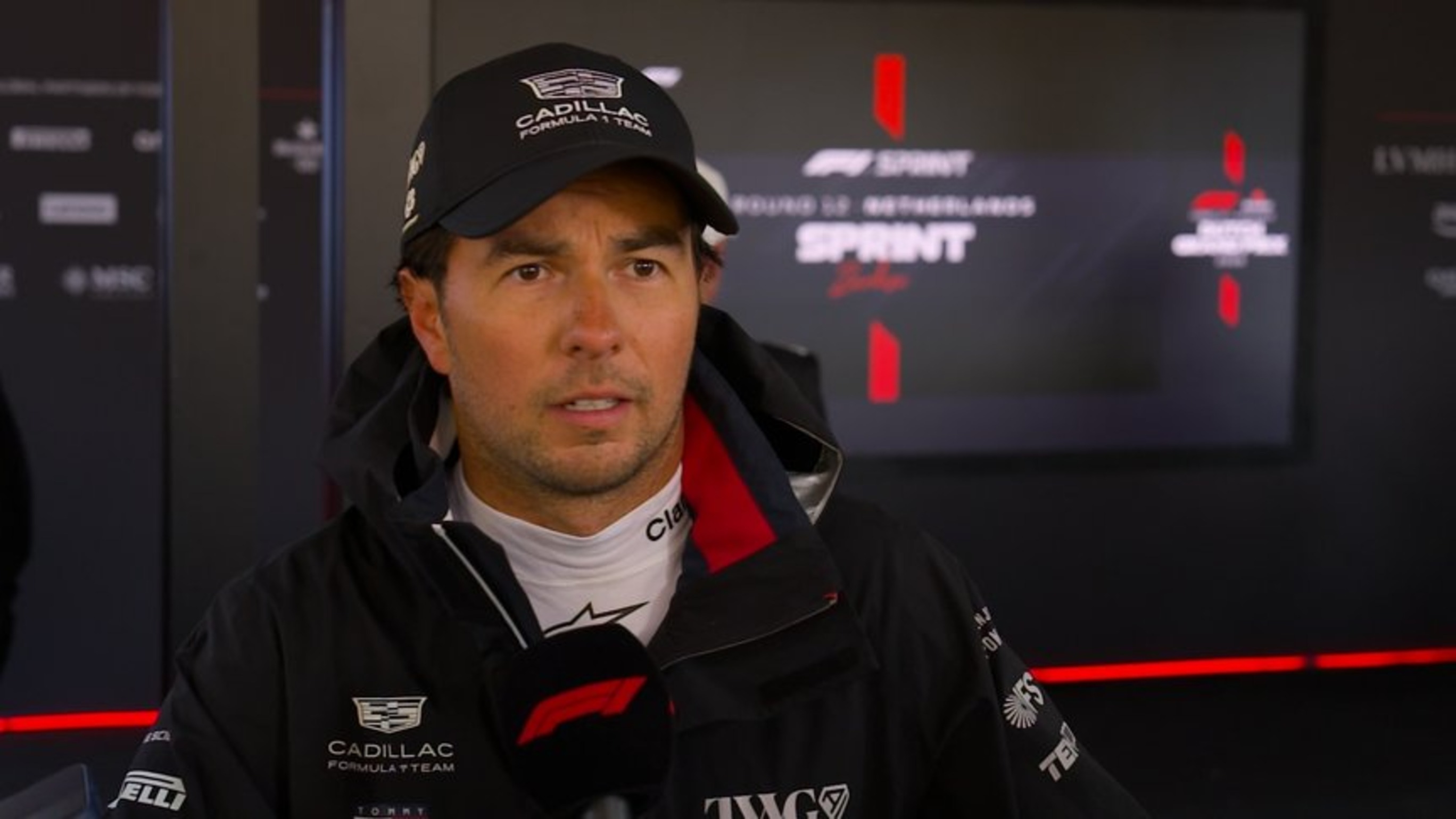
Sergio Perez’s first Grand Prix was in 2011. This weekend in Mexico City he starts his 300th. For a new team in its debut season, that kind of experience is worth more than a trophy cabinet.
Cadillac joined the grid this year as Formula 1’s eleventh team, and it hired two veterans to drive for it. Perez and Valtteri Bottas weren’t signed to chase podiums. They were signed to tell the engineers when the car was lying to them.
What a new car actually needs
A new team doesn’t know what it doesn’t know. Its simulator data isn’t calibrated against real tracks, its parts haven’t survived a full season, and its engineers haven’t yet learned how their driver describes a problem.
An experienced driver shortens that loop. He can say the front end feels wrong in slow corners and mean something specific by it. A young driver might feel the same thing but not know how to explain it, or whether it’s the car or his own technique.
That’s the value of a driver with hundreds of starts. He’s already driven cars that were badly set up, and he knows what a good one feels like.
What the first year looks like
Cadillac’s first season has been difficult, as expected. As of late summer, the team had scored no points. Perez had briefly looked set to score one at Monaco, but a time penalty cost him the top-ten finish.
Perez was candid about it. He said he was somewhat disappointed with the performance but understood it’s what new teams go through. He also described the project as his own and said building something from scratch takes a long time.
That attitude matters as much as the lap times. A driver who sulks in a slow car damages a young team’s morale. One who treats it as a long project holds it together.
History backs the idea
Haas, a new team in 2016, hired Romain Grosjean, who had years of experience. He finished sixth in the team’s first-ever race in Australia, an extraordinary debut. Haas has never come close to that start since.
Mercedes returned as a works team in 2010 with Michael Schumacher, who had come out of retirement. Schumacher never won a race in his three comeback seasons, and by results alone the signing looked like a failure. But the team was built around his feedback, and it won its first race two years after he arrived, with Nico Rosberg, then became the dominant force in the sport. Experience doesn’t pay out in year one. It pays out in what the team becomes.
My view
I’d argue Cadillac made the right call, and I’d say extending Perez fits the same logic. A team rebuilding its whole understanding of a car needs a steady voice more than it needs a quick one.
There is a cost. A younger driver might develop alongside the team and grow into its star, the way Max Verstappen grew at Red Bull. Veterans don’t offer that long-term story, and a team can end up with the wrong age profile at the wrong moment. The Cadillac situation also asks fans to be patient, which isn’t a natural state in a sport that measures things in tenths of a second.
I’d also note the contract detail. Perez was reported to be signed through 2027, and Cadillac has now moved to extend his stay beyond that, which signals confidence in how the relationship is working. Would a young driver have built Cadillac faster than a veteran, or slower?

Sarajevo Back at the Heart of Regional MMA: SFC Returns with Explosive Matchups

How Buzzer Karma Works: Levels, Penalties, and What They Mean

Inside Buzzer's Latest Update (and Why It Changes How You Use the App)

Buzzer Introduces Ads Console: A New Era of Advertising Across the Entire Buzzer Ecosystem

Buzzer Is Evolving: From Quantity to Quality

Al Ittihad SC's Matches Are Now Live on Buzzer

Polo Al Taco Expands Its Global Reach Through Weekly Livestreams on Buzzer Arena TV

Buzzer Now Has a Games Hub, and Tournaments Are Coming

Palm City vs Gulf United Ends in 1–1 Draw in UAE Second Division League Clash

"We Don't Take the Guy With the Camera." He Built His Own Club Anyway. Now He's Coming to Find You.


 1
 1

