





 0

Glenn Maxwell Retires From International Cricket After a Decade of Making Bowlers Guess
Mumbai, November 2023. Australia were 91 for 7 chasing 292 against Afghanistan in a World Cup match, and Glenn Maxwell was cramping so badly he could barely run.
So he stopped running. He stood, planted his feet, and hit boundaries until the equation made no sense. He finished on 201 not out, with captain Pat Cummins sticking around for a partnership worth 202 while scoring 12 himself, and Australia won by three wickets.
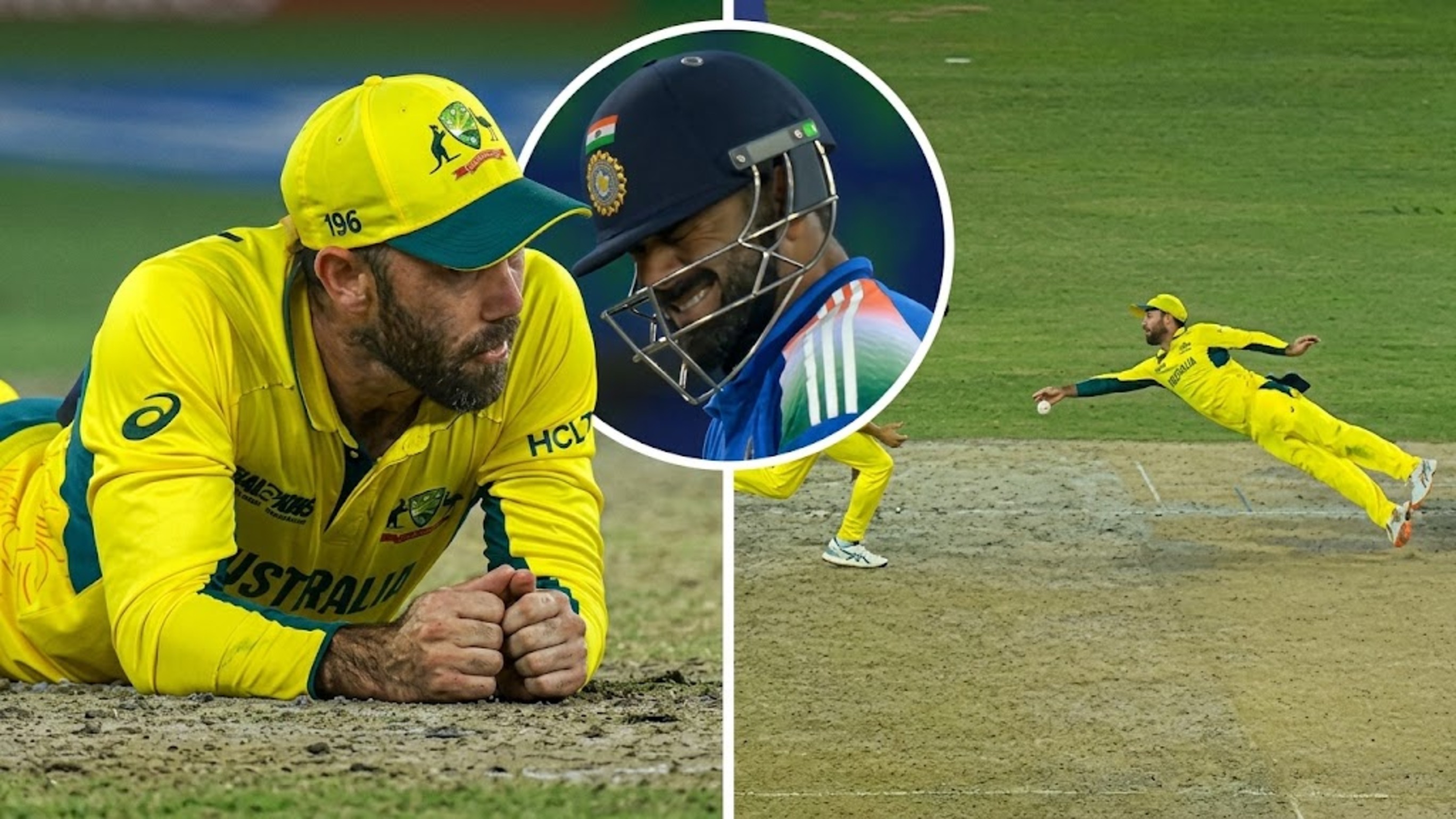
That innings is the best single argument for what Maxwell has been. On November 3, 2026, at 38, he announced his retirement from international cricket, ending a career of 149 ODIs, 130 T20 internationals and seven Tests. He will keep playing franchise T20 cricket.
The man who broke the manual
Maxwell’s game was never built to be coached. The reverse scoop, the switch hit, the ramp over the keeper: shots that most players treat as emergency options became his default setting. At the 2023 World Cup he also hit the fastest century in the tournament’s history, off 40 balls against the Netherlands in Delhi.
Seven Tests tell a different story. Red-ball cricket rewards patience and a tight defence, and Maxwell was never going to build an innings the way the format asks. That mismatch is a large part of why his Test career stayed so short while his white-ball career ran to nearly 280 international appearances.
But the shortness of that Test career matters less than what the white-ball numbers did to the sport. Bowlers have always set fields for what a batter usually does. Against Maxwell, the data and the instincts both fell apart, because he could hit the same ball to 360 degrees depending on the mood he was in.
And captains noticed. Fields had to be set with a sense that no boundary was safe, and bowlers had to plan for a batter who might move before the ball was delivered. A single over from him could undo twenty minutes of careful planning.
The influence that outlasts the stats
Maxwell’s contribution to cricket is partly the runs and partly the permission. Younger batters now practise the reverse scoop and the switch hit in the nets as standard, shots that used to draw raised eyebrows from coaches. It is hard to say how many of those players picked it up from watching him, but few of them would have been surprised by it.
He was also more useful than the highlights suggest. His off-spin gave Australia a flexible bowling option in the middle overs, and his fielding turned half-chances into dismissals. The all-rounder in white-ball cricket now has to bat, bowl, field and hit from ball one, and Maxwell set that standard as much as anyone.
He also won with it. He was part of Australia’s 2021 T20 World Cup winning side and the 2023 ODI World Cup winning side, two reminders that unconventional cricket can still win trophies when it works.
The cramp that nearly ended his night in Mumbai might be the best summary of his career. When the body said stop, he found a different way to score.
Franchise cricket will still get to watch him. International cricket just lost its most reliable source of chaos.

Sarajevo Back at the Heart of Regional MMA: SFC Returns with Explosive Matchups

How Buzzer Karma Works: Levels, Penalties, and What They Mean

Inside Buzzer's Latest Update (and Why It Changes How You Use the App)

Buzzer Introduces Ads Console: A New Era of Advertising Across the Entire Buzzer Ecosystem

Buzzer Is Evolving: From Quantity to Quality

Al Ittihad SC's Matches Are Now Live on Buzzer

Polo Al Taco Expands Its Global Reach Through Weekly Livestreams on Buzzer Arena TV

Buzzer Now Has a Games Hub, and Tournaments Are Coming

Palm City vs Gulf United Ends in 1–1 Draw in UAE Second Division League Clash

"We Don't Take the Guy With the Camera." He Built His Own Club Anyway. Now He's Coming to Find You.


