





 0

Why the Best Rider at the Tour de France Spent a Mountain Stage Working for a Teammate
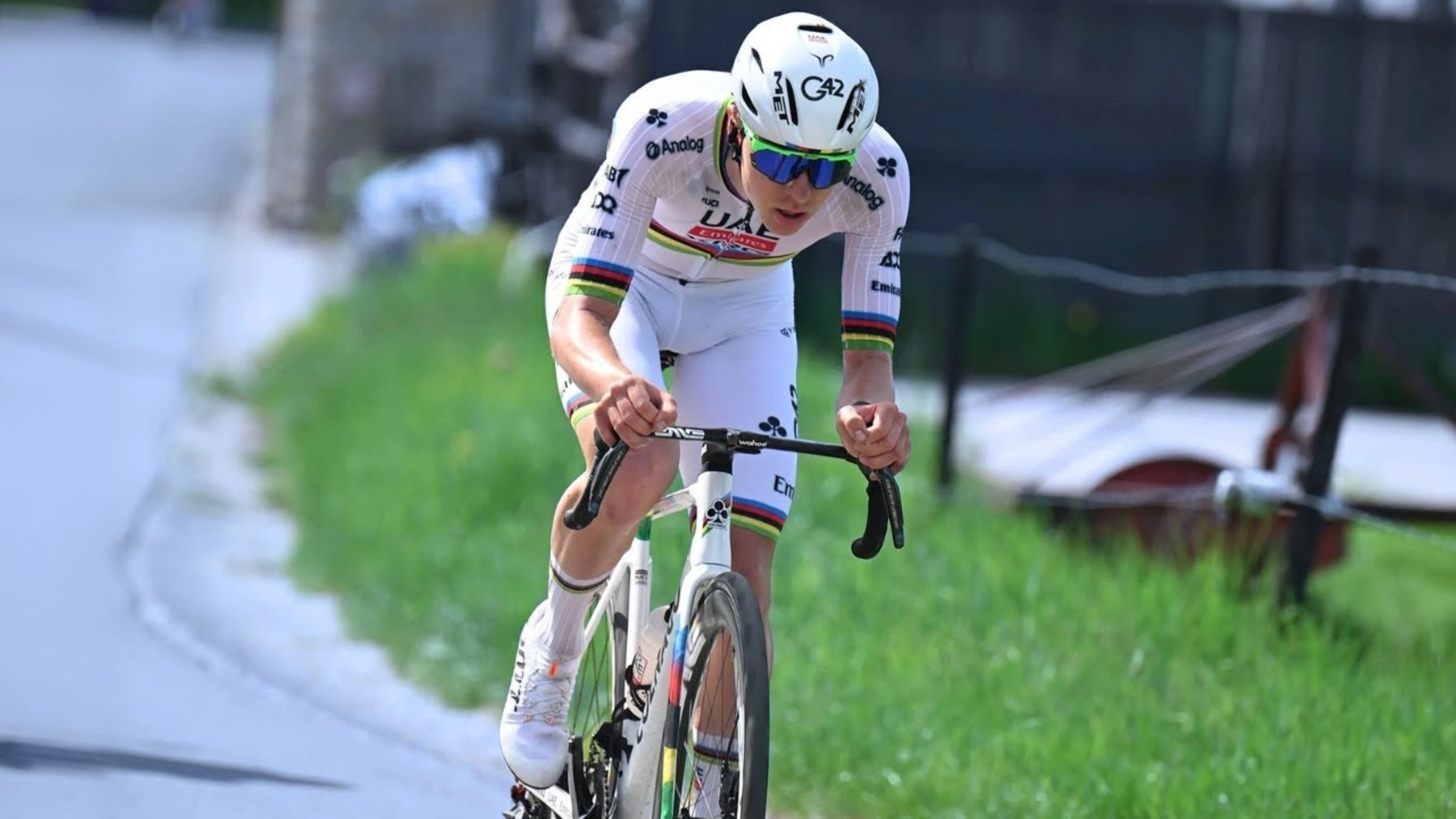
On stage 20 of the 2026 Tour de France, Tadej Pogacar was in yellow with a lead of 6 minutes 26 seconds. He had five stage wins already. And he spent the day on the front of the race, setting the pace for someone else.
The someone was his UAE Team Emirates-XRG teammate Isaac Del Toro, who was defending third place overall. Pogacar led over the Col du Galibier, kept the pace high and controlled, and gave up 45 seconds to Remco Evenepoel in the process.
Del Toro finished the Tour third overall, 9 minutes 42 seconds behind Pogacar. The man who could have chased another stage win decided that wasn’t the best use of his legs.
The reaction
Not everyone liked it. Bradley Wiggins, the 2012 Tour winner, said he was disappointed, because “you get used to being entertained by him.” Pogacar was the rider fans expect to attack, and watching him ride at the front without attacking felt like a loss to some viewers.
George Hincapie, who spent much of his career as a support rider, took a different view. He argued that the yellow jersey had little choice but to contribute, given what his team had done for him across three weeks.
Pogacar himself said it was an honour to repay Del Toro and the rest of the team. He pointed to teammates such as Nils Politt, Florian Vermeersch, Adam Yates and Brandon McNulty, who had sacrificed their own chances during the race.
How a team decides who gets the chance
Every cycling team has a hierarchy, and most of the time it is fairly clear. One rider is the protected leader, and the others, called domestiques, work for him. They fetch bottles, ride on the front to control the pace and shelter him from the wind.
The hierarchy is flexible, though. A team has to weigh the value of each possible result. For Pogacar, a sixth stage win would have been a nice addition to a dominant Tour. For Del Toro, protecting a podium finish and the white jersey for the best young rider was a bigger prize.
That was the arithmetic UAE made. The marginal value of one more stage win for the leader was smaller than the value of securing third place for a teammate, and the leader had the strength to deliver it.
Flexible all race long
It wasn’t a one-off. On stage 2, in Barcelona, Pogacar had let Del Toro take the win on the Montjuic hill. A day later, Del Toro led Pogacar out for a sprint to win stage 3 and take the yellow jersey from Jonas Vingegaard.
On stage 15, after Vingegaard crashed out of the race, Pogacar and Del Toro drove the chase together in an attempt to win the stage for Del Toro. Evenepoel outsprinted them both. Adam Yates had been sent up the road in the breakaway that day as what the commentators called a satellite rider, a teammate placed in front to be useful later.
That is a good picture of how team tactics work. Riders move in different roles at different times, depending on the terrain, the competition and the state of the race. Even the strongest rider in the race is part of a system.
The fan’s dilemma
Fans want to see the best rider attack. That is understandable, and Pogacar has built his reputation on exactly that. But cycling is a team sport disguised as an individual one, and the Tour is the clearest example.
Stage 20 shows why team sport is a better description. A rider who wins the Tour has done so with the help of eight teammates, a staff of mechanics and managers, and a strategy that sometimes asks him to give something up. The yellow jersey has one name on it, and the result has many authors.
If you were Pogacar, with a six-minute lead on the last mountain stage, would you have chased the stage win the fans wanted, or done what he did?

Sarajevo Back at the Heart of Regional MMA: SFC Returns with Explosive Matchups

How Buzzer Karma Works: Levels, Penalties, and What They Mean

Inside Buzzer's Latest Update (and Why It Changes How You Use the App)

Buzzer Introduces Ads Console: A New Era of Advertising Across the Entire Buzzer Ecosystem

Buzzer Is Evolving: From Quantity to Quality

Al Ittihad SC's Matches Are Now Live on Buzzer

Polo Al Taco Expands Its Global Reach Through Weekly Livestreams on Buzzer Arena TV

Buzzer Now Has a Games Hub, and Tournaments Are Coming

Palm City vs Gulf United Ends in 1–1 Draw in UAE Second Division League Clash

"We Don't Take the Guy With the Camera." He Built His Own Club Anyway. Now He's Coming to Find You.


