





 0

FIFA’s Failed Money Plan Left Football With a Bigger Question: Who Actually Controls It?
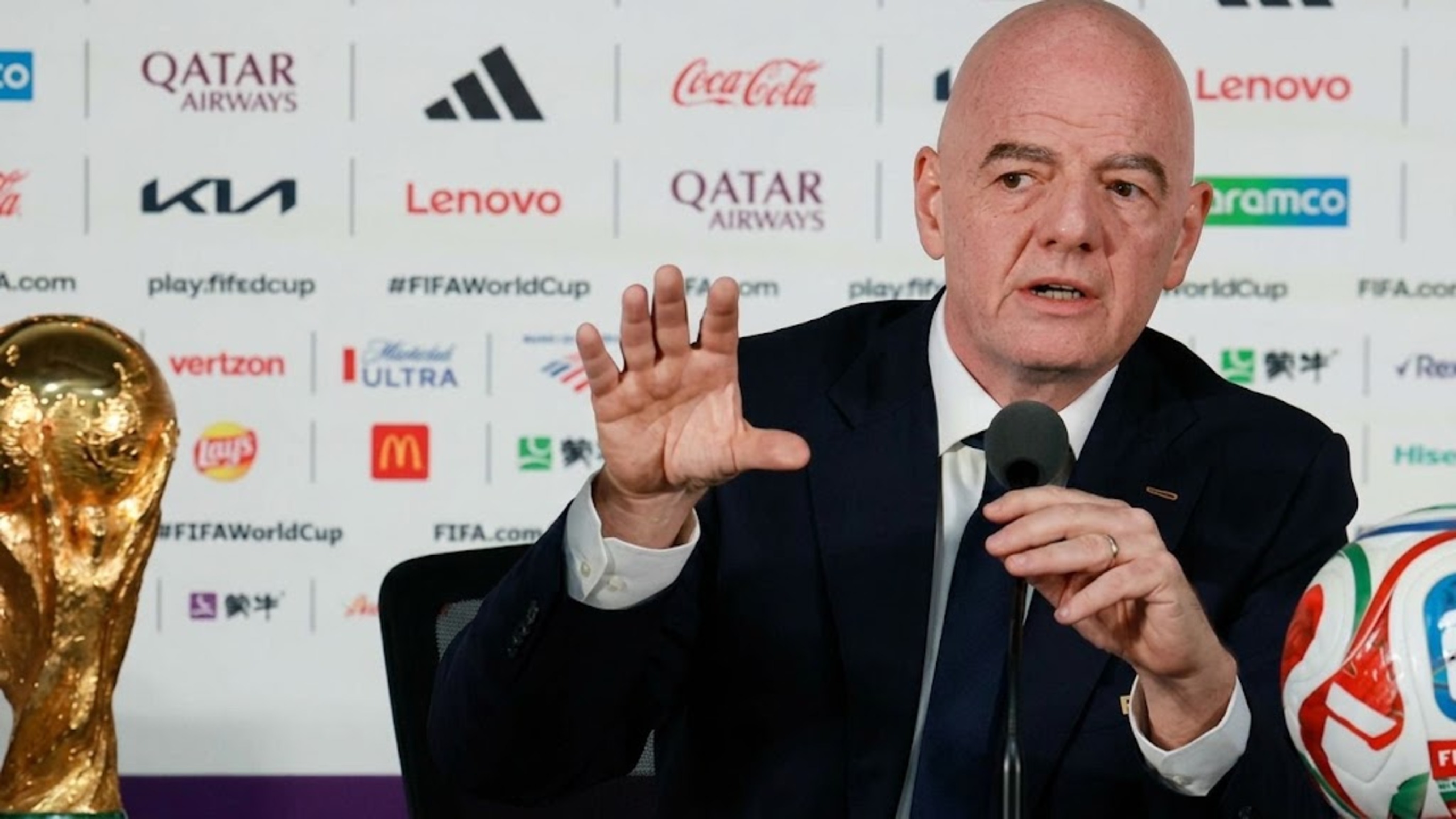
It took about three days. FIFA’s plan to sell a stake in a new company running its biggest tournaments leaked, then surfaced officially, and by the weekend UEFA’s 55 member associations had voted 55-0 against it and threatened to boycott every FIFA competition. Gianni Infantino withdrew the proposal almost immediately.
The plan was called FIFA Forward Enterprise. It would have created a commercial subsidiary to handle the World Cup, the Club World Cup and other FIFA events, with outside investors able to buy up to 20 percent. FIFA would have kept majority ownership on paper. The reported valuation was about $20 billion.
The pitch was money, and it was a good pitch
Strip away the governance argument and the offer was generous. FIFA said it could make $10 billion available for development from 2027, with each federation eligible for up to $20 million in one-off funding on top of $20 million through the regular FIFA Forward program for 2027 to 2030. Without the deal, FIFA projected a development package of about $2.7 billion.
For a federation in a small economy, $40 million is a different order of magnitude from anything in its normal budget. FIFA has 211 members, and the plan needed backing from more than half of them plus the FIFA Council.
That’s what made the timing so awkward. Infantino gave federations until September 19 to support the proposal, and UEFA said the deadline meant associations would lose the one-off payout offer if they didn’t. When money arrives with a clock attached, it stops looking like a gift.
Why the room turned so fast
UEFA’s language was blunt. It said the World Cup was not for sale and accused FIFA of using the sport to “enrich themselves and their friends.” CONCACAF and the AFC joined the opposition, and on August 10 the three confederations published an open letter accusing Infantino of deception and calling for new leadership.
The reaction wasn’t limited to the big confederations. In early September, Reuters reported that the Finnish, Danish and Swedish federations wrote to the European Commissioner for Sport, raising concerns about transparency and control at FIFA. Their letter reportedly pointed to the response to the 2021 European Super League as an example of football and politicians defending the existing model together.
FIFA’s line was that nobody was selling football and that each federation deserved a say in its own future. That’s a reasonable sentence. It just landed after the plan had already been described, in the press, as a sale.
The fight that’s still going
UEFA’s lawyers sent FIFA a preservation notice in August, and UEFA has since sought documents through a Florida court. FIFA’s filing accuses UEFA of a misinformation campaign and says the application was made for harassment. It also argues UEFA mixed up equity value with enterprise value, which FIFA says was more than twice as large.
Politics sits underneath all of it. Infantino faces re-election at the FIFA Congress in March 2027, and candidates have until November 18 to declare. Any rival needs support from enough of those 211 votes, which is exactly the audience the $40 million offer was aimed at.
That’s the real lesson of the episode. The most valuable asset in football isn’t a tournament. It’s a voting structure where a payout and a deadline can reach 211 federations at once. This time the confederations used their influence to stop the plan. Next time the offer may be better prepared.
Which brings the unfinished business. FIFA argued that development money required a commercial deal. UEFA argued that FIFA’s own reserves should pay for it. Should the money that develops football in 211 countries ever depend on a commercial deal with outside investors, or should FIFA’s reserves carry it?

Sarajevo Back at the Heart of Regional MMA: SFC Returns with Explosive Matchups

How Buzzer Karma Works: Levels, Penalties, and What They Mean

Inside Buzzer's Latest Update (and Why It Changes How You Use the App)

Buzzer Introduces Ads Console: A New Era of Advertising Across the Entire Buzzer Ecosystem

Buzzer Is Evolving: From Quantity to Quality

Polo Al Taco Expands Its Global Reach Through Weekly Livestreams on Buzzer Arena TV

Buzzer Now Has a Games Hub, and Tournaments Are Coming

Al Ittihad SC's Matches Are Now Live on Buzzer

Palm City vs Gulf United Ends in 1–1 Draw in UAE Second Division League Clash

"We Don't Take the Guy With the Camera." He Built His Own Club Anyway. Now He's Coming to Find You.


