





 0
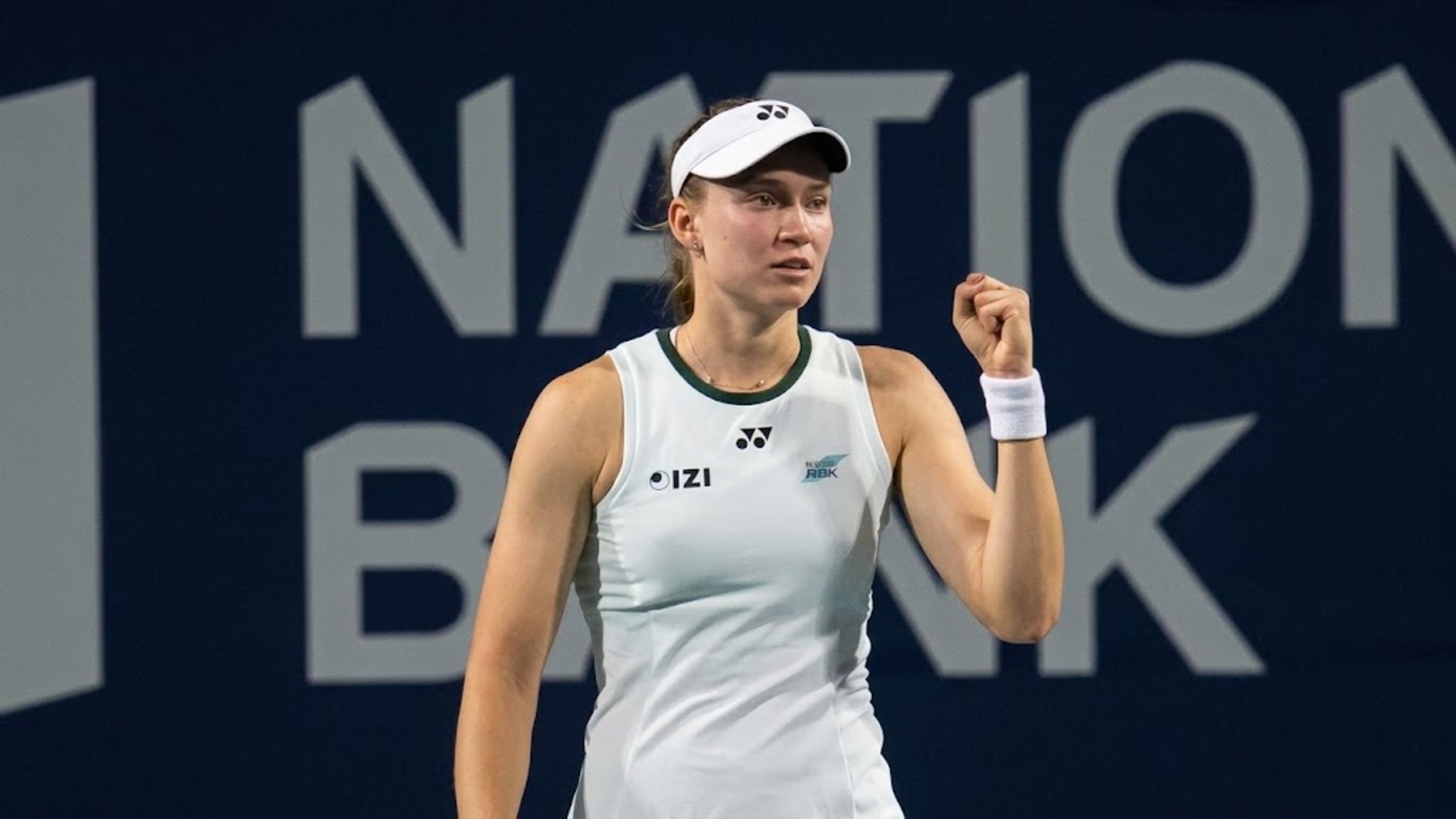
Elena Rybakina Is One Win From No. 1. How Did She Rebuild Herself After Her Injury?
Elena Rybakina beat Naomi Osaka 6-1, 6-4 on Monday to reach her first-ever US Open quarterfinal. One more win over Zheng Qinwen and she becomes the new WTA world No. 1, ending Aryna Sabalenka's hold on the top spot that's lasted since October 2024.
Three weeks ago, she was walking off a court in Cincinnati with her leg strapped up, unsure if she'd even make it to New York.
A body that's fought her all year
Rybakina retired mid-match from her Cincinnati Open quarterfinal against Iga Swiatek in August, trailing 1-4 with an apparent Achilles issue that had trainers rushing to check her during a medical timeout. She didn't play again for seven days, training with limited options in the gym, and arrived in New York with only around ten days of preparation behind her.
That single injury was the latest chapter in a run that's included back spasms at the 2025 Australian Open, a lower back issue that forced her out of the 2024 US Open, and a stretch of illness and injury that cost her entire tournaments across 2024. She's spoken publicly about needing her physio to work "magic" just to keep playing through some of these tournaments.
The turnaround that got her here
Despite all of that, Rybakina arrived at this year's Australian Open and won it, her second major title, beating Sabalenka from three games down in the deciding set in a rematch of their 2023 final. That win alone made her only the fourth woman in the Open Era to beat both the world No. 1 and world No. 2 en route to a major title.
She's followed it with a 46-match win season, a total only Jessica Pegula has bettered on tour this year, all while continuing to manage recurring physical issues that would have sidelined a less durable competitor entirely.
More than just surviving
What makes this run different is that Rybakina hasn't simply managed to stay on court; she's continued beating elite opponents while carrying questions about her fitness into every match. Her serve and first-strike tennis remain dangerous, but the bigger change has been her ability to adapt when her body isn't at 100 percent. She has had to manage matches differently, conserve energy and trust her movement instead of constantly chasing maximum power. That resilience may be just as important as her tennis if she is going to finish this run as world No. 1.
What one more win actually means
A win over Zheng in the quarterfinal secures the No. 1 ranking outright, regardless of how the rest of the draw plays out. It would be the first time a player from Kazakhstan, or any Asian nation, has held the top spot in WTA history.
Rybakina herself admitted after beating Osaka that she still didn't know how her leg would respond to a full competitive match, saying she'd "see how I wake up tomorrow." That's the tension running through her entire season: a player one match from history, still playing with real uncertainty about whether her body will let her finish the job.
Does reaching No. 1 through a season this physically compromised make the achievement more impressive, or does it just raise the question of how much longer her body can keep absorbing this kind of punishment?

Sarajevo Back at the Heart of Regional MMA: SFC Returns with Explosive Matchups

How Buzzer Karma Works: Levels, Penalties, and What They Mean

Inside Buzzer's Latest Update (and Why It Changes How You Use the App)

Buzzer Introduces Ads Console: A New Era of Advertising Across the Entire Buzzer Ecosystem

Buzzer Is Evolving: From Quantity to Quality

Buzzer Now Has a Games Hub, and Tournaments Are Coming

Polo Al Taco Expands Its Global Reach Through Weekly Livestreams on Buzzer Arena TV

Al Ittihad SC's Matches Are Now Live on Buzzer

Palm City vs Gulf United Ends in 1–1 Draw in UAE Second Division League Clash

"We Don't Take the Guy With the Camera." He Built His Own Club Anyway. Now He's Coming to Find You.


