





 1

Athletics Is About to Get Its Biggest Prize Yet. Can $10 Million Change the Sport?
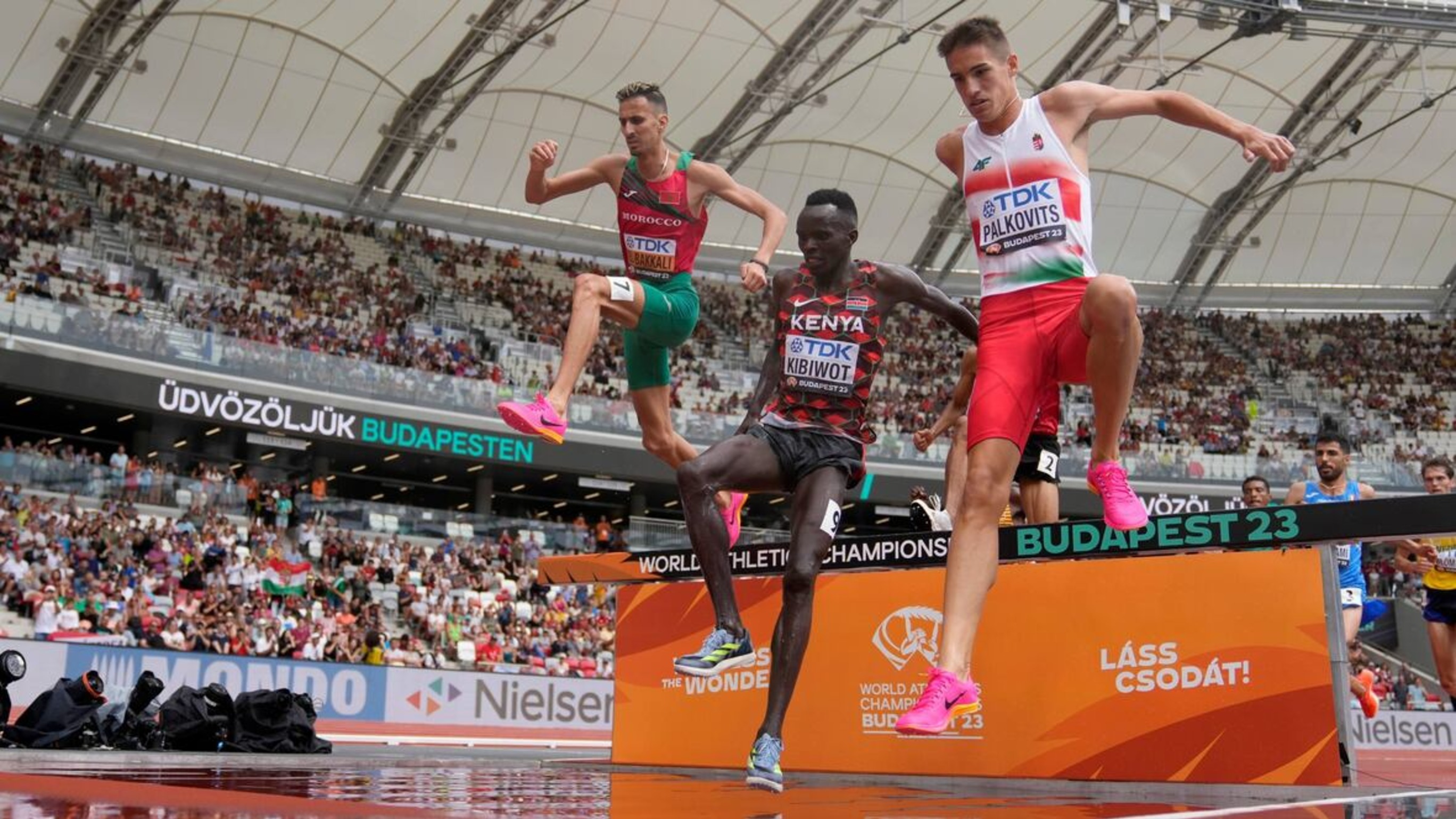
The inaugural World Athletics Ultimate Championship begins September 11 in Budapest with a $10 million prize pool, the largest in track and field history. Each individual event winner takes home $150,000, more than double the $70,000 a gold medal paid at last year's World Championships in Tokyo.
For a sport that pays its Olympic champions nothing beyond a medal, that number is the whole pitch.
A championship built on scarcity, not size
Unlike a traditional World Championships that runs for over a week with hundreds of athletes across dozens of qualifying rounds, the Ultimate Championship only admits Olympic champions, world champions, and Diamond League winners. Individual track events are capped at 16 entrants and field events at eight, with the field otherwise filled out by world rankings.
That means nearly every race and jump in Budapest is a straight final. No heats to sit through, no rounds to fight past just to get to the interesting part. Across 28 events and three evening sessions, athletes will simply show up and compete for money that actually matters to their livelihoods.
Why the money is aimed so specifically at the athletes
World Athletics has been explicit that the point of the prize pool is compensating athletes for something the Olympics itself never has. Track and field's biggest stage still pays no prize money at all, leaving athletes to make their living through appearance fees, sponsorships, and whatever a national federation offers for a podium finish.
A gold medal at Budapest pays five times what a standard Diamond League final victory is worth, and more than double a full World Championships title. For athletes whose careers are short and whose earning power outside the sport is limited, that gap is the difference between building financial security and hoping a shoe deal covers the gaps.
The format also gives athletics something it has struggled to create: repeated moments where its biggest names can become the main attraction rather than supporting characters in a huge Olympic program. With only the world's best invited and every session packed with finals, the event is designed to make individual rivalries easier for casual fans to follow. If the money brings those stars back into the spotlight, the commercial impact could extend far beyond one weekend.
The bigger question the money is meant to answer
Track and field has spent years losing ground to other sports for casual attention between Olympic cycles, with stars who dominate for four years often disappearing from mainstream visibility the moment the Games end. A compact, high-stakes, television-built event with real money on the line is World Athletics' attempt to give the sport a genuine season finale the way other major sports already have.
Whether $10 million actually solves a visibility problem, rather than just a payment problem, is the part nobody will know until the cameras are rolling and the ratings numbers actually come back.
Can athletics reinvent itself before the next generation of fans simply stops paying attention, or does a bigger prize pool only matter to the people already watching closely enough to notice it exists?

Sarajevo Back at the Heart of Regional MMA: SFC Returns with Explosive Matchups

How Buzzer Karma Works: Levels, Penalties, and What They Mean

Inside Buzzer's Latest Update (and Why It Changes How You Use the App)

Buzzer Introduces Ads Console: A New Era of Advertising Across the Entire Buzzer Ecosystem

Buzzer Is Evolving: From Quantity to Quality

Polo Al Taco Expands Its Global Reach Through Weekly Livestreams on Buzzer Arena TV

Al Ittihad SC's Matches Are Now Live on Buzzer

Buzzer Now Has a Games Hub, and Tournaments Are Coming

Palm City vs Gulf United Ends in 1–1 Draw in UAE Second Division League Clash

"We Don't Take the Guy With the Camera." He Built His Own Club Anyway. Now He's Coming to Find You.


