





 0

PSG Beat Barcelona 4-2. Is the High Press Becoming Too Risky at the Top Level?
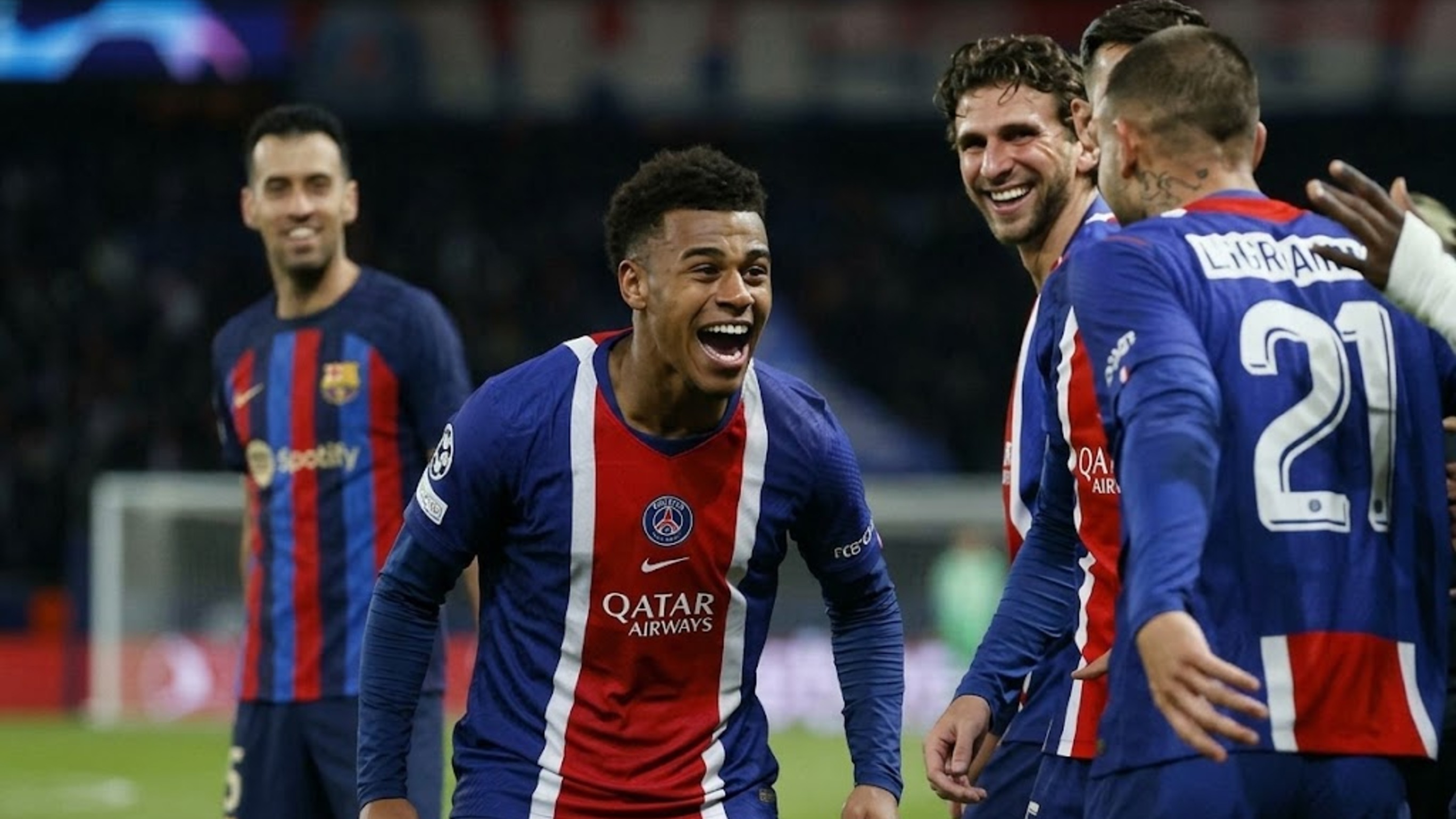
Barcelona walked into the Parc des Princes with 11 wins from 11 games and 48 goals scored this season. They walked out with their first defeat in any competition, a 4-2 loss to PSG, and four of the six goals landed inside a 15-minute window late in the second half.
That timing says plenty. A high press looks like genius in the 20th minute, when everyone is fresh and the ball keeps being won 30 metres from goal. The invoice arrives around the 80th.
Six goals, and the late ones decided it
Khvicha Kvaratskhelia hit the woodwork early, and the first goal still took until the 38th minute, when Désiré Doué finished from 20 yards. Xavi Espart equalised on 55, and Lucas Hernández put PSG back in front on 72.
Then the match lost its manners. Lamine Yamal levelled on 79, Vitinha restored the lead two minutes later, and Fabián Ruiz made it 4-2 on 86 from an Achraf Hakimi cross. Barcelona drew level twice and still lost, which is a hard way to spend an evening.
Count the minutes again. The first 71 produced two goals. The next 15 produced four.
Barcelona had arrived averaging better than four goals a game, so nobody was worried about their attack running dry. The trouble was at the other end. ESPN had PSG ahead on expected goals, 3.8 to 2.2, so the scoreline wasn’t a fluke.
Why the bill comes due late
The usual complaint about pressing high is that it leaves space behind the defensive line. That’s true, but it undersells the cost. The bigger expense is physical. A pressing team has to sprint together or not at all, and a press that arrives half a second late is worse than no press, because it drags the midfield out of shape and leaves runners free.
Matches like this one punish that half-second. Ousmane Dembélé and Dani Olmo both limped off injured, so each coach was reshuffling mid-game, which probably didn’t help either side’s shape. Open pitch, tired lungs and Lamine Yamal is not a combination defenders enjoy.
A fixture that refuses to calm down
Nobody should have been shocked by the chaos. The last time Barcelona visited Paris, in April 2024, they won a quarter-final first leg 3-2. PSG then won the return 4-1. Last October PSG won 2-1 at Camp Nou, and somehow none of these games involved anyone parking a bus.
The table now has PSG on nine points from three games, with Barcelona on six. Luis Enrique wouldn’t take a victory lap afterwards. He refused to accept that the result made PSG better than Barcelona and called it a trap to think so. Fair enough, though modesty comes easily when your side has scored 14 goals in its first three Champions League games.
The case for paying the price
So is it too risky? Barcelona’s own record argues no. A team that sat deep to stay safe doesn’t score 48 goals in 11 games, and it’s hard to tell Hansi Flick to abandon a method that produced a perfect start.
The catch is that Barcelona had kept just one clean sheet in their previous seven matches. That suggests the defensive cost doesn’t disappear simply because the attack is working, and Tuesday was the bill arriving all at once.
That’s the bet every elite coach is making. Pressing high isn’t reckless, it’s a trade with a known price, and the price gets collected in the closing 20 minutes by whichever attackers still have something left. On Tuesday, that was PSG.
If the best teams in Europe keep producing nights like this one, is that a flaw coaches should fix, or the only reason anyone stays up to watch?

Sarajevo Back at the Heart of Regional MMA: SFC Returns with Explosive Matchups

How Buzzer Karma Works: Levels, Penalties, and What They Mean

Inside Buzzer's Latest Update (and Why It Changes How You Use the App)

Buzzer Introduces Ads Console: A New Era of Advertising Across the Entire Buzzer Ecosystem

Buzzer Is Evolving: From Quantity to Quality

Polo Al Taco Expands Its Global Reach Through Weekly Livestreams on Buzzer Arena TV

Buzzer Now Has a Games Hub, and Tournaments Are Coming

Al Ittihad SC's Matches Are Now Live on Buzzer

Palm City vs Gulf United Ends in 1–1 Draw in UAE Second Division League Clash

"We Don't Take the Guy With the Camera." He Built His Own Club Anyway. Now He's Coming to Find You.


 1


