





 0

The U-17 Women’s World Cup Is Where Football’s Next Generation Gets Its First Global Test
When the Netherlands reached the final of last year’s FIFA U-17 Women’s World Cup, they were a debutant. They lost 3-0 to Korea DPR, who have been dominating the age group for years, but nobody with a pulse treated the run as a fluke.
That tells you something about how the tournament works. Talent matters, but systems matter too.
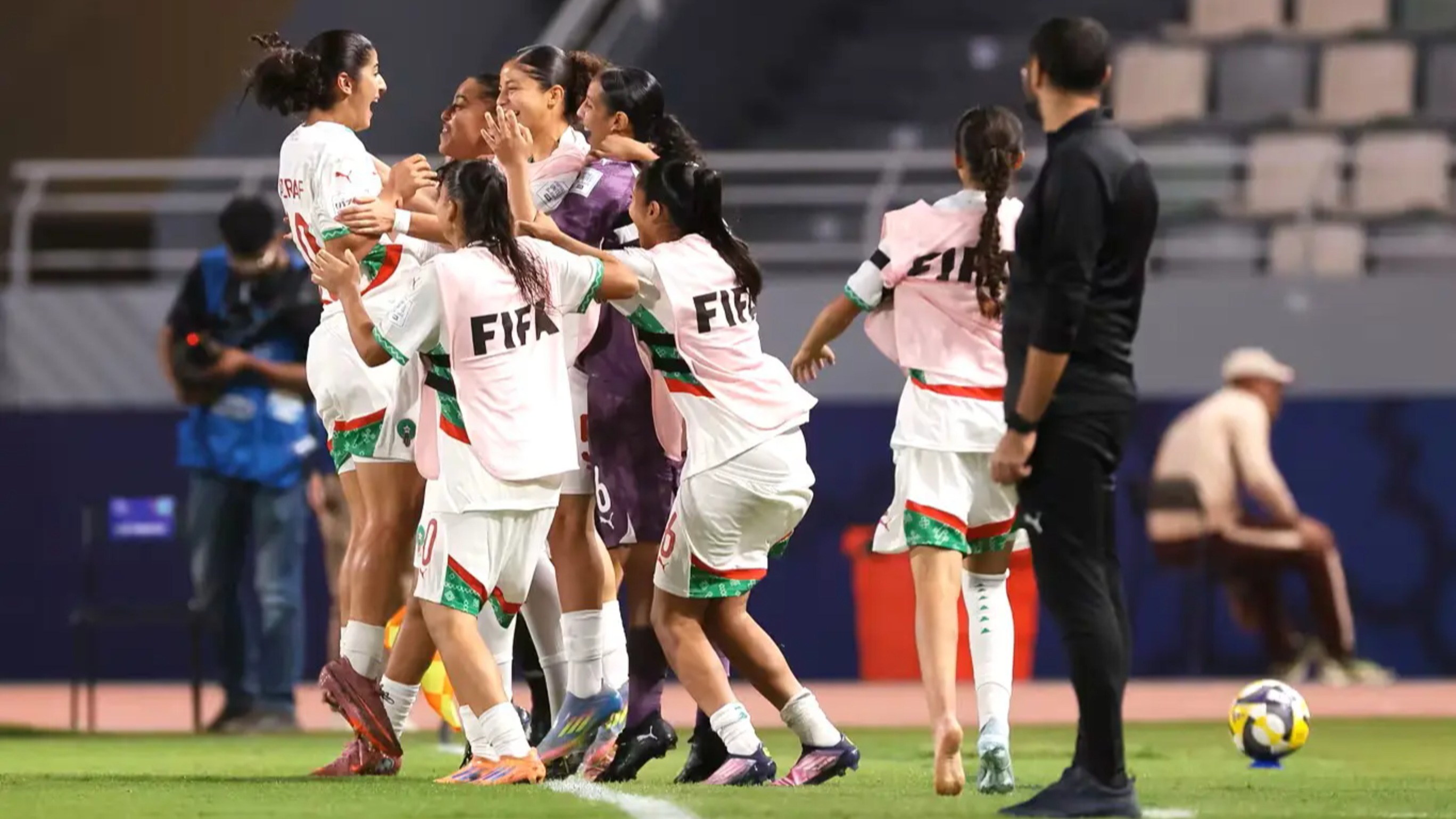
This year’s edition is in Rabat, Morocco, from October 17 to November 7, and today’s fixtures include Morocco against Germany and Canada against Norway.
A tournament that changed shape
The U-17 Women’s World Cup has grown quickly. It expanded from 16 teams to 24 and became an annual event from 2025, and Morocco will host five straight editions from 2025 to 2029. The 2026 tournament is the second under the new format.
Africa has five teams in the field this year: Morocco, Ghana, Kenya, Nigeria and Zambia. Argentina and Puerto Rico make their U-17 World Cup debuts, and Germany returns after missing the last two editions. Morocco, who reached the knockout stage for the first time last year, are in Group A with Germany, New Zealand and Argentina.
The top two teams from each group advance to the round of 16, along with the four best third-placed teams. That’s a lot of football for players who are, in many cases, a few months past the age when most people finish school.
Why talent isn’t enough
The obvious assumption is that the best teenagers will make the best transition to senior football. The reality is messier. Skill gets players noticed, but the step from youth tournaments to the professional game depends on other things.
Coaching matters, because a player who is taught to read the game at 16 adapts faster at 20. Competitive minutes matter, because a teenager who plays regularly against adults learns more than one who sits on a bench. Physical development matters, because players mature at different rates and a late bloomer can be overlooked.
Then there’s the pathway itself. A strong youth team needs a league to feed into. Canada’s coach, Jen Herst, said players earn the chance to test themselves against some of the best programs in the world at a tournament like this, which is a modest way of saying the tournament is a laboratory.
What the results can and can’t show
A U-17 tournament is a snapshot. A result in Rabat reflects how a team’s cohort has developed so far, and a defeat doesn’t mean a player lacks potential. A handful of matches over three weeks can’t tell you who’ll be a senior international.
What it can show is how a national system is working. The Dutch final run last year suggested a pathway that was producing well-prepared teenagers. Morocco’s first knockout appearance did the same for a country that is investing heavily in women’s football.
The expanded field adds value here. With 24 teams, more federations can send a squad, and more coaches and players get an experience that wasn’t available a few years ago. Puerto Rico and Argentina going to their first tournaments is exactly the sort of progress the format was supposed to produce.
The question of volume
There’s a trade-off too. An annual tournament gives each generation of players a chance, which is a benefit. It also means more matches on an already crowded youth calendar, and the quality of the field may be uneven.
Whether the format is right will take a few more editions to judge. The early signs, from a first-time finalist to a host reaching the knockouts, suggest the expansion is doing some of what it was designed to do.
For fans, the practical advice is the usual one. Watch the games, remember the names, and don’t treat any result as a prediction.
With the tournament now annual and Morocco hosting through 2029, does women’s football gain more from a yearly youth showcase, or from a longer gap that lets each generation mature before the next one arrives?

Sarajevo Back at the Heart of Regional MMA: SFC Returns with Explosive Matchups

How Buzzer Karma Works: Levels, Penalties, and What They Mean

Inside Buzzer's Latest Update (and Why It Changes How You Use the App)

Buzzer Introduces Ads Console: A New Era of Advertising Across the Entire Buzzer Ecosystem

Buzzer Is Evolving: From Quantity to Quality

Polo Al Taco Expands Its Global Reach Through Weekly Livestreams on Buzzer Arena TV

Buzzer Now Has a Games Hub, and Tournaments Are Coming

Al Ittihad SC's Matches Are Now Live on Buzzer

Palm City vs Gulf United Ends in 1–1 Draw in UAE Second Division League Clash

"We Don't Take the Guy With the Camera." He Built His Own Club Anyway. Now He's Coming to Find You.


