





 0

Female College Athletes Doubled Their NIL Deals In One Year
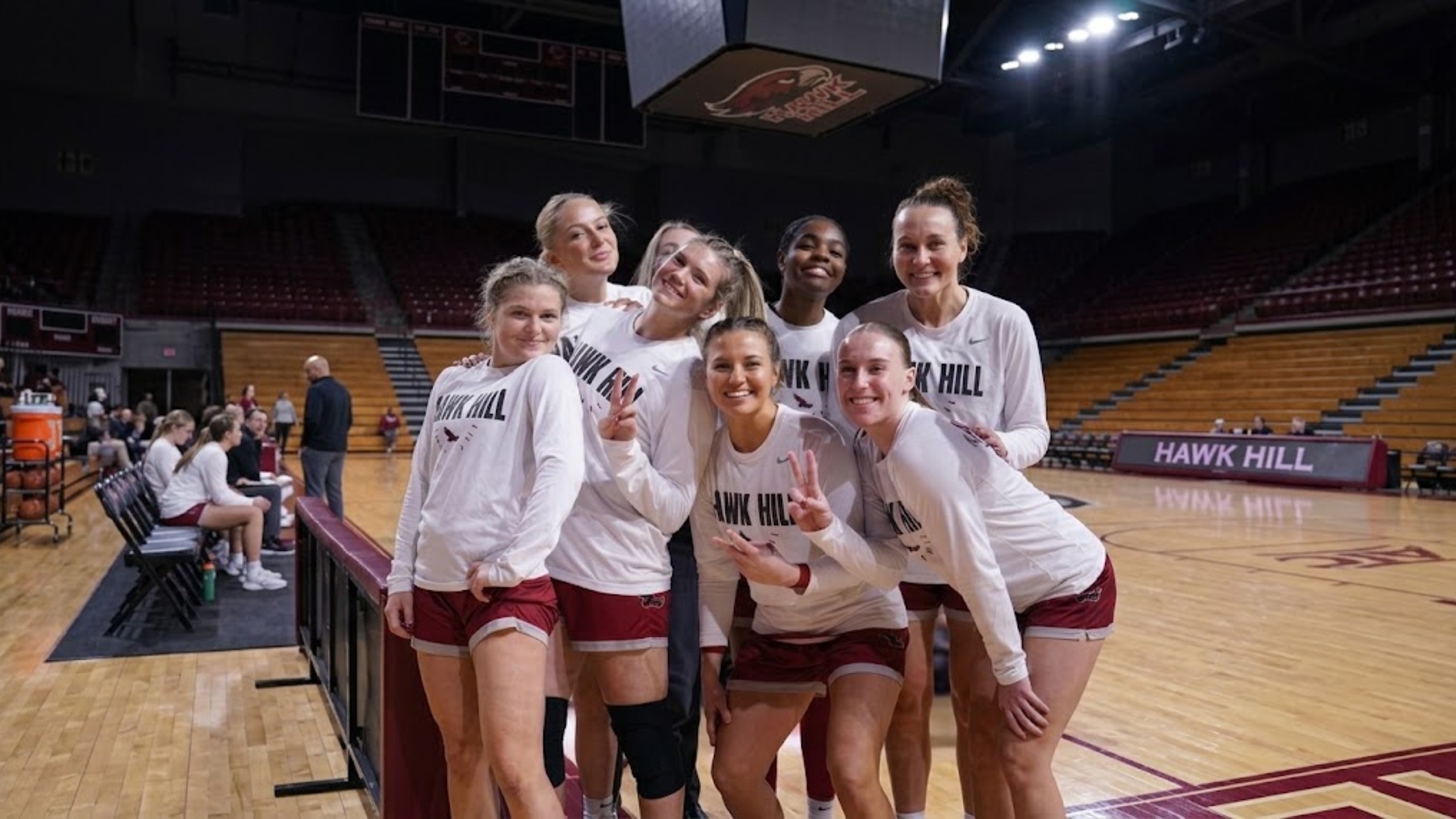
2,136 to 4,772. Not a typo. That's how many female college athletes participated in name, image and likeness compensation activities through Learfield's network, according to a report the company released in July: a 123% jump in a single fiscal year.
For context, the NCAA only approved NIL compensation in 2021. Five years in, football and men's basketball still lead every earnings chart, and that's not changing soon. But something's shifted underneath that headline, and it happened faster than most people in the industry expected.
Women's basketball now ranks third among all sports for NIL activity. Softball has cracked the top five, sitting just behind baseball. Those aren't token improvements. Those are sports elbowing into a conversation that used to belong almost exclusively to football money.
"What we're discovering with female student-athletes and their engagement with our brands is they're excellent content creators and storytellers, they're generally social media savvy and they have a genuine brand enthusiasm," said Solly Fulp, Learfield's head of NIL.
That's a polite way of saying brands finally noticed something athletes and their fans already knew.
The Money Followed The Audience
Twenty-two national brands signed deals with college athletes over the fiscal year, names like Geico, State Farm, EA Sports, Uber, AT&T, and Marriott. More than 260 athletes across 69 schools ended up in national campaigns. Restaurants led every sponsor category, followed by financial services and healthcare, the kind of everyday consumer brands that want a relatable face more than a signature shoe deal.
Here's the part that actually explains the jump. NIL money was never really about who's the best athlete on the field. It's about who can build an audience and hold onto it over time. Football players have built-in audiences from Saturday broadcasts and decades of institutional coverage. Women's college athletes had to build theirs from nothing, mostly through platforms nobody in the industry thought counted as real marketing five years ago.
That skill translates directly into brand value once companies started paying attention to it instead of dismissing it as a side hobby.
Olympic Sports Step Into The Spotlight
"It's not just an emerging market now, it's accelerating," Fulp said. "It's awesome for us to see when it comes to not just the focus being on football, men's basketball and the revenue sports, but seeing the Olympic sports really step front and center."
Fulp's use of "Olympic sports" there is doing some quiet work. Gymnastics, track, swimming, volleyball, the sports that rarely get a broadcast deal of their own but produce some of the most recognizable college athletes in the country regardless. Those athletes have been building personal brands for years out of necessity, since nobody in a university athletic department was building one for them.
Now the money's catching up to the audience that was already there, waiting for someone to notice it was worth paying for.
None of this closes the gap with football anytime soon, and it probably never will given how television revenue in college sports is structured. Revenue sports still dominate total dollars by a wide margin. But participation numbers more than doubling in a single year says something different than a slow, steady climb would. It says brands went looking for where the engagement actually was, and found out it wasn't only where they'd been looking all along.

Sarajevo Back at the Heart of Regional MMA: SFC Returns with Explosive Matchups

How Buzzer Karma Works: Levels, Penalties, and What They Mean

Inside Buzzer's Latest Update (and Why It Changes How You Use the App)

Buzzer Introduces Ads Console: A New Era of Advertising Across the Entire Buzzer Ecosystem

Buzzer Is Evolving: From Quantity to Quality

Polo Al Taco Expands Its Global Reach Through Weekly Livestreams on Buzzer Arena TV

Al Ittihad SC's Matches Are Now Live on Buzzer

Buzzer Now Has a Games Hub, and Tournaments Are Coming

Palm City vs Gulf United Ends in 1–1 Draw in UAE Second Division League Clash

"We Don't Take the Guy With the Camera." He Built His Own Club Anyway. Now He's Coming to Find You.


