





 0

The World Series Could Come Down to Bullpen. Why Are Relief Pitchers So Valuable in Modern Baseball?
In Game 1 of this World Series, Trevor Megill struck out Jonny DeLuca with runners on second and third in the ninth inning. That one pitch decided a 3-2 game, and the whole series has run on moments like it.
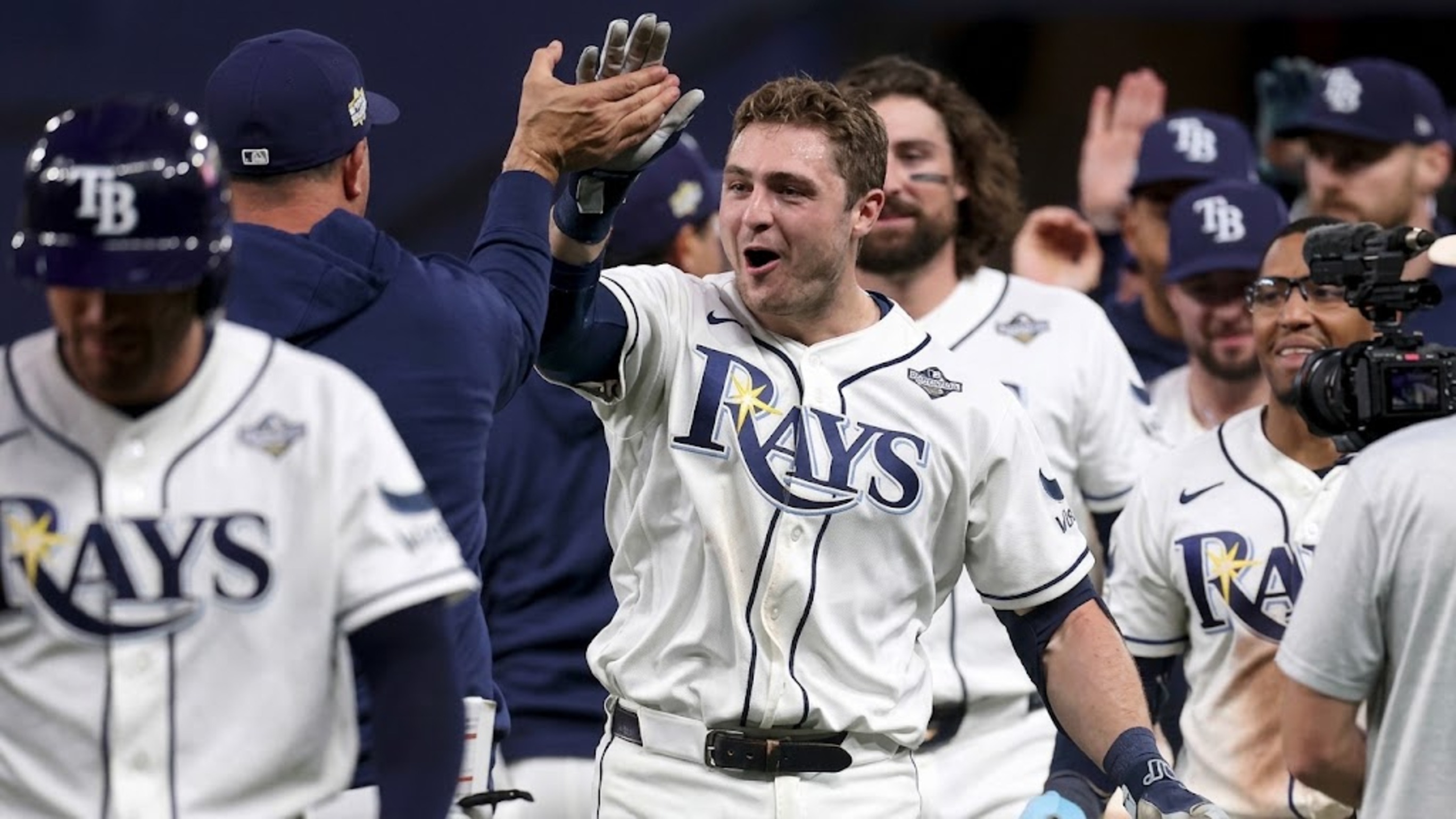
Milwaukee led 3-0 at one point, and Tampa Bay has dragged the series back to Milwaukee for Game 6 tonight. Whoever wins, one of these two franchises will lift its first championship.
The Brewers built a wall
Milwaukee’s bullpen has been close to perfect all postseason. In the NLCS, the Brewers swept the Dodgers, finishing the series with a 6-4 win in which the relievers closed the door after Garrett Mitchell’s go-ahead homer. Even the starters seem built to hand off early.
In Game 2, the Brewers came back from 4-0 down and won 5-4. Aaron Ashby got the final five outs. In Game 3, rookie lefty Robert Gasser went six innings and gave up one hit, and Brandon Woodruff closed the ninth in a 10-1 win. That’s not a bullpen as a backup plan. That’s a plan with a bullpen at the center.
The Rays invented the modern version
Tampa Bay has a long history of rewriting how pitching staffs work. On May 19, 2018, they started reliever Sergio Romo against the Angels, the first widely recognized “opener.” The idea was to keep the weaker hitters away from a starter who’d face them the third time through.
Baseball laughed at the time, and then copied it. Since 2020, a rule forcing relievers to face at least three batters has also changed how teams build their staffs. Those changes pulled the game toward bigger, deeper, more specialized bullpens.
The Rays still give their starters some room. Drew Rasmussen and Freddy Peralta are expected to go deep, and Peralta was ALCS MVP after allowing one run over 12⅓ innings. But the real contest in this series is how two different bullpen philosophies compare.
The starter isn’t dead, but the ninth isn’t the hinge
Not every team follows the same blueprint. Cleveland tried a bullpen game in ALCS Game 6 and trailed 3-0 after three innings. Tampa Bay kept winning with a starter who gave them real length.
So I’d push back on the lazy version of this argument, that starters no longer matter. They do, and Peralta proved it. What changed is where the pressure points sit.
The ninth inning used to be the hinge, because the save made it famous. Saves became an official statistic in 1969, and Mariano Rivera’s 652 of them made the closer baseball’s most celebrated role. But look at Game 1 and Game 2 of this series. The decisive moments came with runners on in the eighth and ninth, and the Brewers handed them to different arms.
Why the bullpen is underrated
My view is that the bullpen is now baseball’s most important unit, and the way we count baseball hides that. We praise starters, who get wins, and closers, who get saves.
The relievers in between, who face the highest-leverage hitters with the game on the line, rarely get a number that reflects it. That’s a statistical blind spot, and fans carry it around with them. So when a bullpen takes a game from a better lineup, people reach for words like “luck” and “grit.” I’d call it design. Milwaukee spent a deadline acquiring relievers, and it paid off in October.
If you were building a team from scratch today, would you spend more on the rotation or the bullpen?

Sarajevo Back at the Heart of Regional MMA: SFC Returns with Explosive Matchups

How Buzzer Karma Works: Levels, Penalties, and What They Mean

Inside Buzzer's Latest Update (and Why It Changes How You Use the App)

Buzzer Introduces Ads Console: A New Era of Advertising Across the Entire Buzzer Ecosystem

Buzzer Is Evolving: From Quantity to Quality

Al Ittihad SC's Matches Are Now Live on Buzzer

Polo Al Taco Expands Its Global Reach Through Weekly Livestreams on Buzzer Arena TV

Buzzer Now Has a Games Hub, and Tournaments Are Coming

Palm City vs Gulf United Ends in 1–1 Draw in UAE Second Division League Clash

"We Don't Take the Guy With the Camera." He Built His Own Club Anyway. Now He's Coming to Find You.


