





 1

17 days off, Seven Days To Get Ready For The Playoffs.
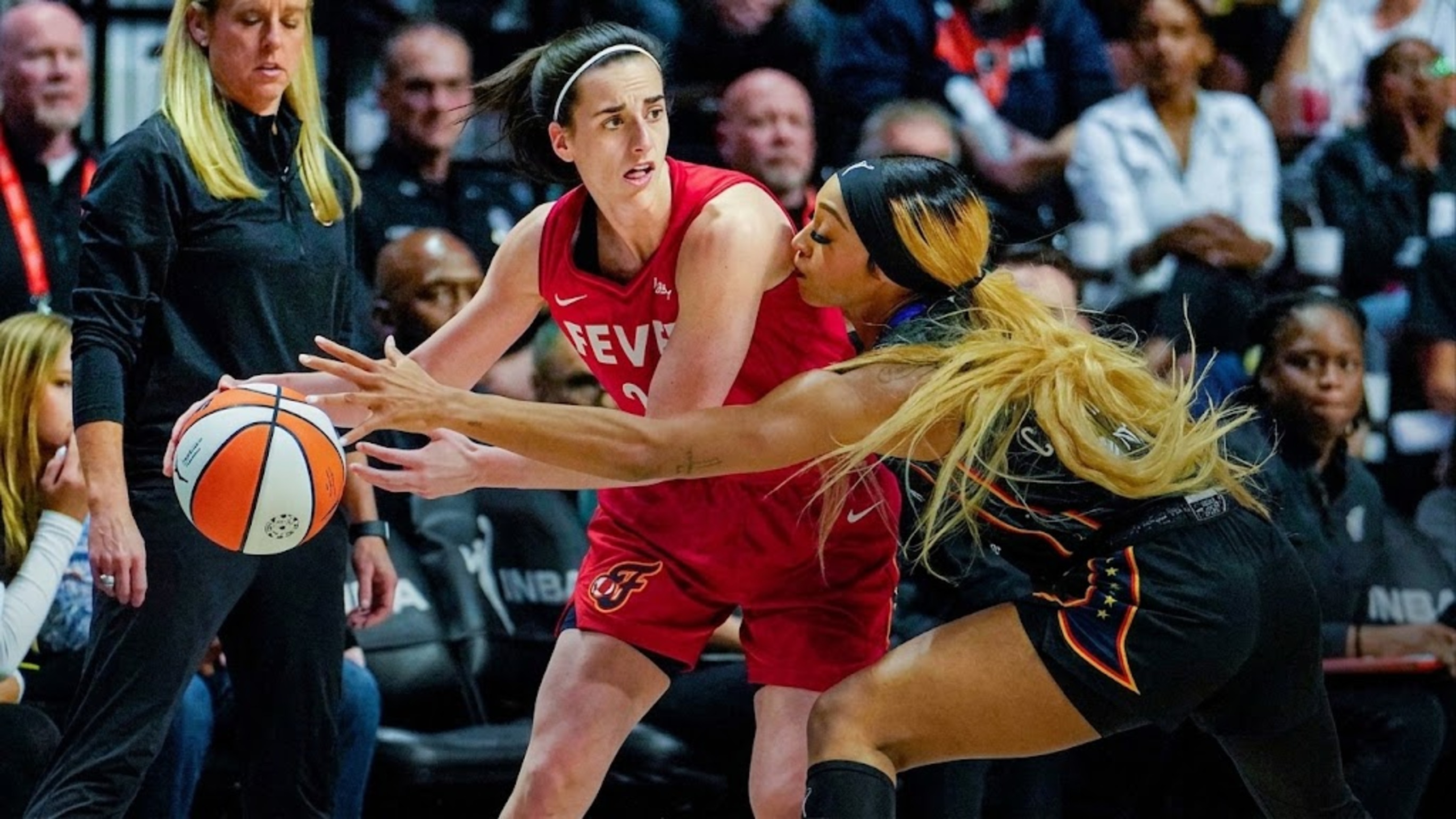
The WNBA regular season resumed Wednesday with a five-game slate after a roughly two-and-a-half-week pause for the FIBA Women's World Cup in Berlin. Teams now have exactly one week to find their rhythm again before the regular season ends and the playoffs begin.
One week. That's the entire runway between a tournament that pulled star players in a dozen different directions and a postseason where every possession suddenly matters.
The compressed finish this creates
With the regular season closing September 24 and playoffs opening September 27, teams effectively get a single week of games to shake off the layoff, reintegrate players who may have just played in a gold medal game days earlier, and lock in playoff seeding all at once. Compare that to a normal week of the season, where results matter but rarely carry playoff-defining weight, and the difference in pressure is obvious.
Players returning from Berlin aren't walking into a soft landing. They're walking straight into the most consequential stretch of games left on the calendar, often with less practice time and more physical fatigue than teammates who spent the break resting.
The margin for error is suddenly tiny, with playoff spots at stake.
Why this tension isn't going away
This isn't a one-off scheduling headache. It's the direct result of women's basketball's own growth. The WNBA now competes for its best players' time against an Olympic cycle, a FIBA World Cup cycle, and increasingly crowded national team commitments, on top of an expanding league calendar that just grew to include two new expansion franchises in Toronto and Portland.
Every one of those additions is a genuine sign of the sport's growth. More teams, more countries fielding competitive WNBA-stocked rosters, more meaningful tournaments worth pausing a season for. But growth on every front simultaneously means less room to actually schedule around any of it cleanly, and the league currently resolves that tension by asking players to absorb the compression.
What teams are actually managing right now
Coaching staffs spent the break trying to keep rotation players sharp through modified training while their national-team stars were unavailable entirely. Now, with a single week left before playoff seeding locks in, those same staffs have to reintegrate returning stars, some fatigued from deep tournament runs, some coming off tournament disappointment, into lineups that had to adjust without them for over two weeks.
That's a genuinely difficult coaching problem, and it's one that gets almost no attention compared to the excitement around the World Cup itself. Nobody frames "the WNBA team you support might be undercooked heading into the playoffs because your best player just played in a semifinal in Berlin" as part of the World Cup storyline, but it's a direct consequence of it.
Can women's basketball keep adding major international tournaments to an already crowded calendar without eventually forcing a genuine trade-off between international growth and domestic playoff quality?

Sarajevo Back at the Heart of Regional MMA: SFC Returns with Explosive Matchups

How Buzzer Karma Works: Levels, Penalties, and What They Mean

Inside Buzzer's Latest Update (and Why It Changes How You Use the App)

Buzzer Introduces Ads Console: A New Era of Advertising Across the Entire Buzzer Ecosystem

Buzzer Is Evolving: From Quantity to Quality

Polo Al Taco Expands Its Global Reach Through Weekly Livestreams on Buzzer Arena TV

Al Ittihad SC's Matches Are Now Live on Buzzer

Buzzer Now Has a Games Hub, and Tournaments Are Coming

Palm City vs Gulf United Ends in 1–1 Draw in UAE Second Division League Clash

"We Don't Take the Guy With the Camera." He Built His Own Club Anyway. Now He's Coming to Find You.


