





 0

Stan Wawrinka Is Saying Goodbye to Tennis. What Makes Some Athletes So Difficult to Replace?
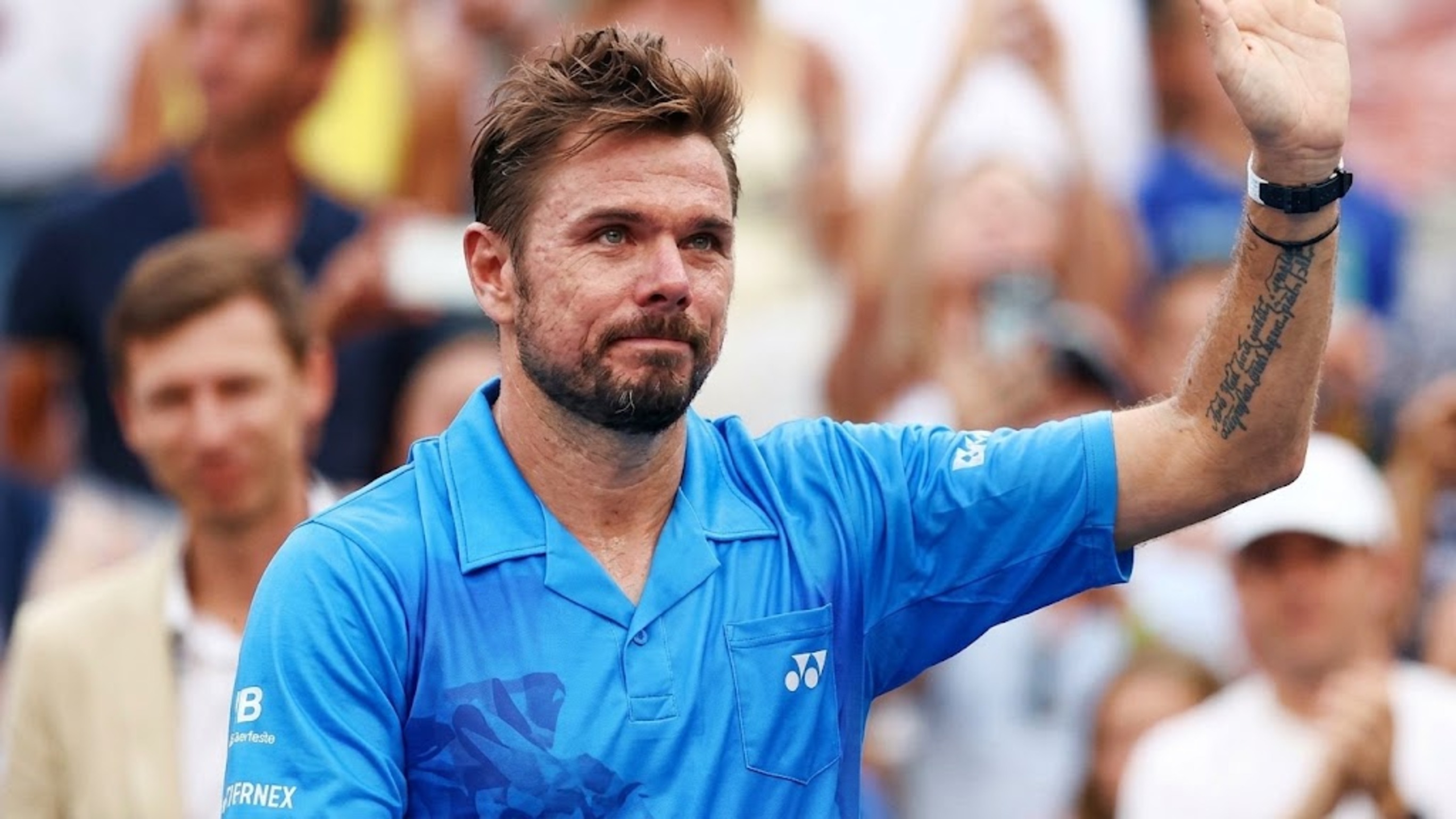
Stan Wawrinka’s career ended on a Tuesday night in his home town, with a packed Basel crowd on its feet. He lost to Jiri Lehecka, the eighth seed and a player ranked 20th in the world. Wawrinka, 41, was ranked 140th. He walked off after 24 years on tour, with 16 titles and 590 match wins.
The man who beat everyone in finals
Here’s a number that gets forgotten. Wawrinka won three Grand Slam titles and never lost a major final. He beat Rafael Nadal at the 2014 Australian Open, then Novak Djokovic at the 2015 French Open, then Djokovic again at the 2016 US Open.
He did that in the middle of the Big Three era, when Roger Federer, Nadal and Djokovic were collecting almost everything. He didn’t win by being consistent. He won by catching the best player in the world on a day when he could hit through anyone. That’s a very specific skill, and few players have had it.
Why he’s hard to replace
The word I’d use is unrepeatable. Wawrinka’s game was built around a single-handed backhand that hit the ball with a violence most players can’t produce. On his best days, it looked like a mistake that kept going in.
Plenty of players have better records. Few had that weapon, and fewer still used it to take down the top three in a single run. The game has strong players now, but they play differently. Wawrinka’s style belonged to him.
His power also came with patience. He could absorb pressure, extend rallies and suddenly turn defence into attack with one backhand. That combination made him dangerous even against players who controlled the match. That’s what makes an athlete irreplaceable. It isn’t the trophy count, which others can match. It’s a way of winning that nobody else can copy.
A farewell that said something
The week in Basel showed how the tour saw him. Djokovic made a late change to his schedule to play there for the first time since 2011, and said that Wawrinka was an inspiration. Wawrinka told the tournament organizers in the spring he wanted Basel to be the last stop.
His Basel record was modest. He reached the semifinals of his home event only twice, in 2006 and 2011. It’s an odd detail for a player of his stature, and I find it rather charming. The best player Switzerland produced after Federer never quite cracked his own backyard.
He also doesn’t look back with much sentimentality. Asked which result he’d change, he picked the 2015 Wimbledon quarterfinal against Richard Gasquet. He didn’t pick a final or a tournament he lost badly. He picked the match that got away.
My take
I’d argue Wawrinka has been underrated as a player and overrated as a footnote. The popular version of his story is that he was good in the wrong era. I’d say he was good enough to win majors in the era anyway.
Lists of the greats tend to count titles, and that’s fair. But if you ask who you’d pay to watch on a good day, Wawrinka sits high on a lot of lists. The comparison with Andy Murray comes up often, and it’s interesting. Murray has more weeks at the top and Wawrinka more majors in finals. Neither argument is silly.
When you remember a great athlete, do you count what they won or how they won it?

Sarajevo Back at the Heart of Regional MMA: SFC Returns with Explosive Matchups

How Buzzer Karma Works: Levels, Penalties, and What They Mean

Inside Buzzer's Latest Update (and Why It Changes How You Use the App)

Buzzer Introduces Ads Console: A New Era of Advertising Across the Entire Buzzer Ecosystem

Buzzer Is Evolving: From Quantity to Quality

Al Ittihad SC's Matches Are Now Live on Buzzer

Polo Al Taco Expands Its Global Reach Through Weekly Livestreams on Buzzer Arena TV

Buzzer Now Has a Games Hub, and Tournaments Are Coming

Palm City vs Gulf United Ends in 1–1 Draw in UAE Second Division League Clash

"We Don't Take the Guy With the Camera." He Built His Own Club Anyway. Now He's Coming to Find You.


